








Visiting Rishikesh in January: A Gentle Guide to the Quiet Heart of Winter on the Ganges
Table of Contents
- Why Visit Rishikesh in January?
- January Weather & Atmosphere
- Ring in the New Year with Yoga & Spiritual Growth
- Adventurous Activities & Nature Excursions
- Places to Explore
- January with Festivals, Spirit, and Culture
- Fewer Crowds
- Benefits of Visiting Rishikesh in January
- Things to Know Before You Go
- Cuisine & Local Delights
- Photography & Inspiration
- Conclusion
Why Visit Rishikesh in January?
January in Rishikesh is one of the quietest months of the year. The crowds of the festive autumn season have left, the deep summer is months away, and the city settles into a cool, contemplative rhythm. Mornings are misty over the river, days are crisp and clear, and evenings call for a warm shawl. In this guide, we’ll meet Rishikesh in January gently, look at what the weather and atmosphere actually feel like, and explore what makes this month particularly suited for retreat-style visits.
January Weather & Atmosphere
In Rishikesh during January, it would be best if you dress in warm clothes and take along an umbrella. Daytime temperatures would normally range from 7° to 20° C, but early mornings and evenings are cold. The region is frequently covered with fog during the mornings, which makes the Ganges and local valleys appear to be a mystical place. The air is dry and clear, so you can take longer walks or do more outdoor activities. Under clear skies, view the snow-capped Himalayas in the distance.
This cool, peaceful season is actually very conducive to peace and introspection, the perfect setting for inner work, meditation, and contemplation (Just have proper fluffy blankets).
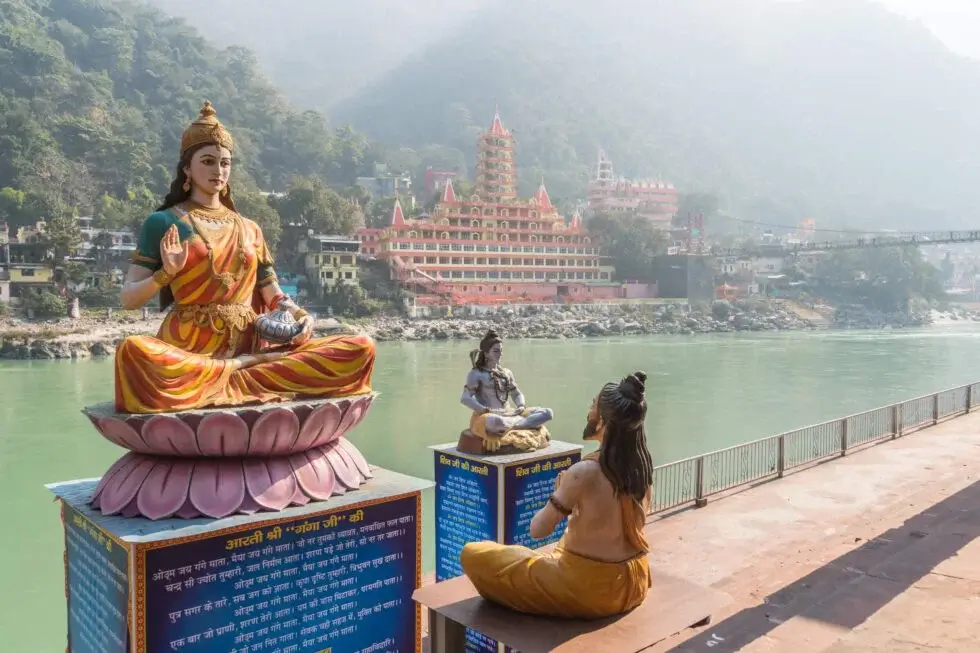
Ring in the New Year with Yoga & Spiritual Growth
Practice Yoga in the Cold
Yoga in cold winter temperatures, with the sun warming you a little and beautiful backdrops, only enhances that feeling. While December is freezing, January brings hopes and resolutions. It’s a wonderful moment to start down your path toward better health and inner peace. Begin your practice in peaceful Rishikesh at the start of the year itself!
Yoga Teacher Training in Rishikesh
A lot of travellers visit Rishikesh not just for a little retreat but also take baby steps by completing 200 hours of registered yoga teacher training courses. 200 Hour Yoga Teacher Training in Rishikesh is also a special one from them. This introductory course is suitable for those new to yoga, or anyone who would like to establish a solid foundation in the philosophy of yoga, asanas, pranayama, and meditation.
Starting such a journey in January makes the most sense, a new year, new resolutions, and quiet time to learn without too much distraction. Many students find that their personal journey is somewhat facilitated by the peacefulness of the Himalayas and the sanctity of having Ma Ganga flowing through town.

Adventurous Activities & Nature Excursions
Sure, January might be cold, but it’s also one of the best months to visit Rishikesh for outdoor adventure. From rafting down the Ganges to trekking in the hills, you’ll find experiences that not only thrill you but also connect you with nature.
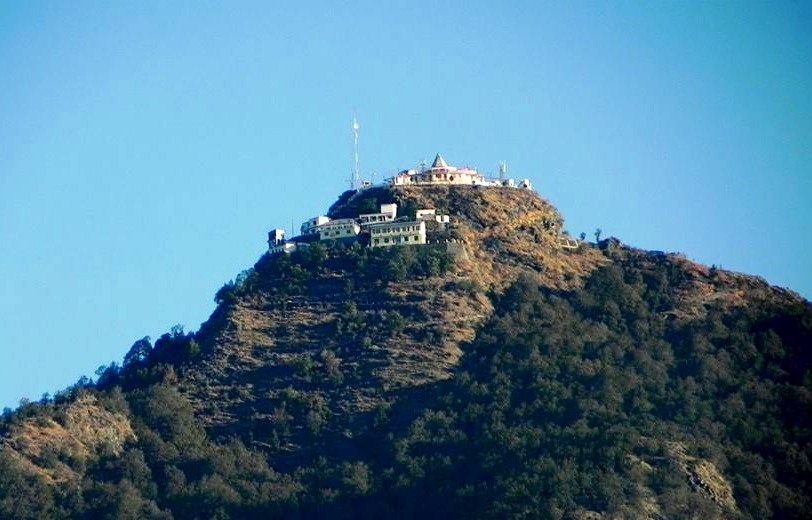
- Trekking & Nature Walks: The sunrise trek to Kunjapuri Temple is particularly magical in January, with crisp mountain air and golden sunlight bathing the valley as you reach the temple.
- Camping by the Ganges: Camping here in January on the riverbanks with bonfires, a dazzling star-filled sky, and much fewer tourists is more peaceful.
Many visitors pair these outdoor adventures with afternoons at an ashram or yoga school. Some even enrol for a 200-hour teacher training course to have an adventurous and yet deep spiritual learning time — a comprehensive way to spend the winter in Rishikesh.
Places to Explore
Rishikesh is an abundant source of cultural and spiritual treasures. In January, they’re quieter, and you can take your time getting to know them.
- Beatles Ashram (Chaurasi Kutia): The popular retreat where the Beatles stayed, now full of art, meditation halls, and nostalgia-infused calm.
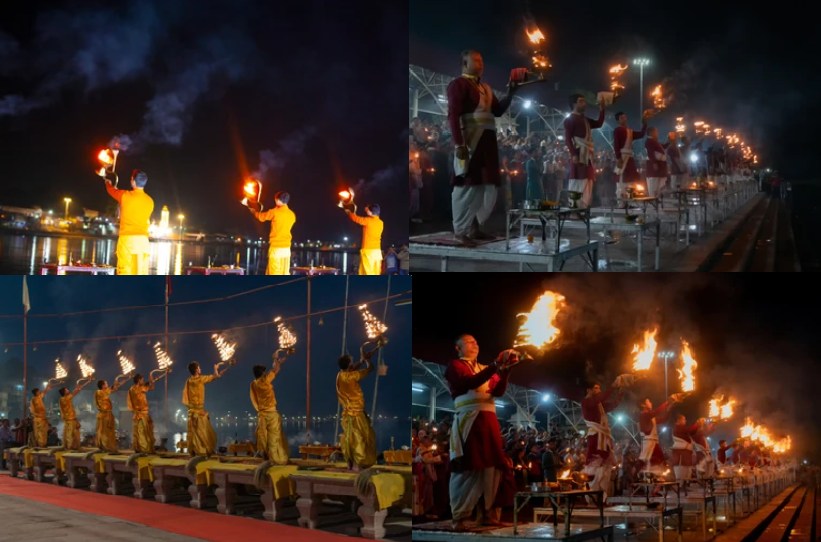
- Triveni Ghat: The evening Ganga Aarti here is very atmospheric—fire, singing, and floating lights in the chill of the night.
- Lakshman Jhula & Ram Jhula: Iconic suspension bridges that span the Ganges, ideal sunrise or sunset vista points.
- Temples & Ashrams: Geeta Bhawan, Bharat Mandir, and Swargashram Area are less crowded in the month of January, so it can give peace and satisfaction for a visit.
For students in the midst of yoga teacher training, these are not simply tourist destinations but living classrooms – places where Indian spirituality and philosophy can be learnt off the mat.
January with Festivals, Spirit, and Culture
January in Rishikesh is not just about nature and yoga but also about being culturally rooted. Winter days are enlivened by roadside festivals that splash colour and warmth of spirit.
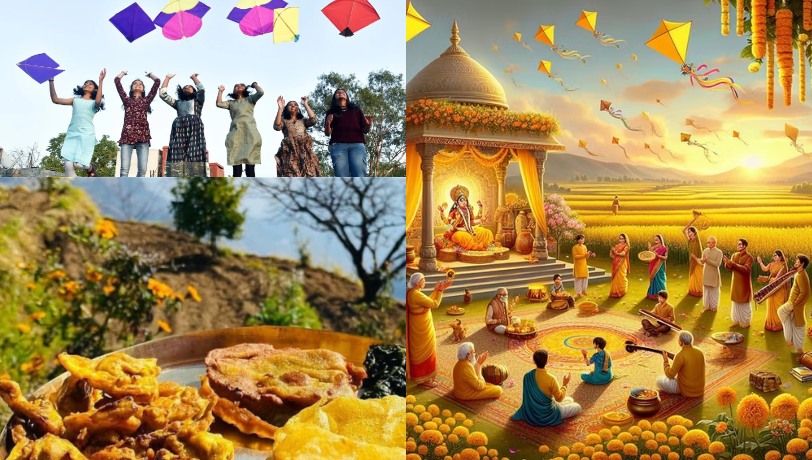
- Makar Sankranti (≈14 January): Flying of kites, ritual bathing in the Ganga, and congregation at the confluence.
- Ghughutiya Festival (Ghughutia): This involves feeding the birds, mainly crows, sweets and sharing them with the community.
- Basanti Panchami: Occurs in some years in late January at temples such as Bharat Mandir.
These cultural adventures also offer trainees in yoga teacher training schools deeper insights into the traditions that surround yoga in India, an immersion in more than just postures, and into the very heart of Indian spiritual life.
Fewer Crowds
Rishikesh attracts many visitors throughout the year due to its spiritual significance. January, however, is less crowded compared to peak months like March and April, when yoga festivals draw large crowds. Enjoy less congested streets, more affordable accommodations, and vibrant street shopping for cosy winter clothes.
Benefits of Visiting Rishikesh in January
Let’s tell you the advantages of the Rishikesh trip in January. Reduced prices, less traffic, and a more personal vibe create space for a deeper experience.
- Cost of Accommodations & Transportation: The cost of items is lower. There are deals galore at many hotels, guesthouses, and ashrams.
- No Pressure Sightseeing: Temples or bridges will be especially quiet early in the morning.
- Healthy Eating & Well-Rested Nights: Restaurants are less noisy and more accommodating. The cool nights and fresh air result in a deeper sleep.
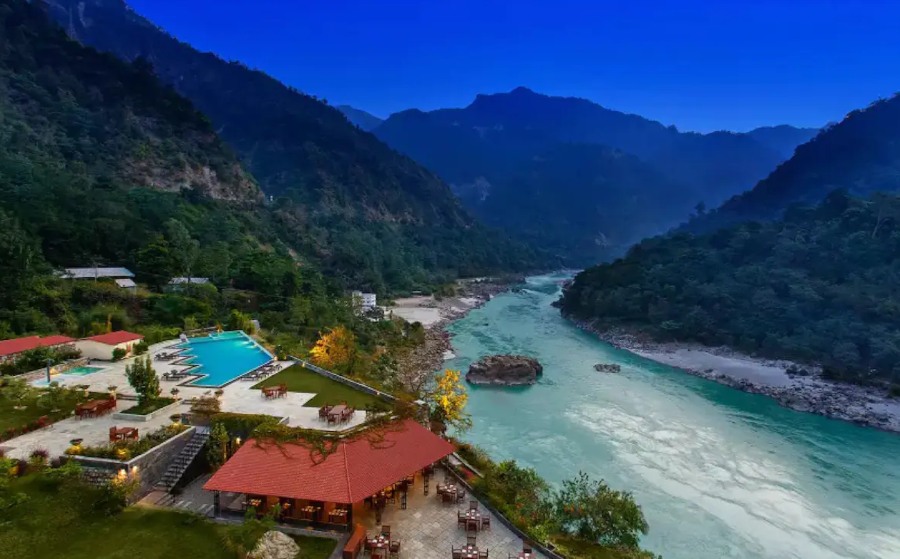
Things to Know Before You Go
Travelling to Rishikesh in January is pure bliss, but you need to be well-prepared for that in order to have a great time throughout your journey.
What to Pack: If you can find them, bring warm layers, wraps, jackets, and thick gloves – socks, too. You’ll still need sunglasses and sunscreen.
- Early Mornings: Fog and low light; pack a flashlight to bring outdoors early.
- River Safety: Never raft or swim except with certified guides.
- Trail Conditions: Be on the lookout for mud and ice when hiking.
- Nice Visiting: Observe tradition, dress modestly, and avoid noise around ashrams and ghats.
Cuisine & Local Delights
Hearty, warming food – as well as some Ayurvedic drinks that flirt with the season – in January in Rishikesh.
- Winter Special: Masala chai, samosas, pakoras, and jalebis – perfect for warming up on a chilly morning or evening.
- Ayurvedic Healing: Teas and hot herbal drinks in health spas.
- Riverside cafes: soups, herbal teas, Indian sweets, and food from around the world (vegetarian/vegan).
- Sattvic food: So much so that some yoga training schools provide healthy vegetarian meals in the curriculum of their teacher’s degree lessons for students to adjust their eating with spiritual workouts.

Photography & Inspiration
Rishikesh in January is one of the most photogenic moments of the year, where spirituality meets nature.
- Crisp skies, perfect for sunrise and sunset photos, notably from Kunjapuri Temple or suspension bridges.
- Fog and light on the Ganges: Casts dramatic, mysterious scenes.
- Festivals: Brighten up the naturally subdued wintry hues.
- Yoga & practice moments: Trainees take recordings of their personal growth in pictures of meditation, riverside practice, and calm naturescapes.
Conclusion
The month of January will let you have peaceful sightseeing and refreshing weather, yoga practices with a cool breeze & an amazing adaptation of cuisine at Rishikesh, minus the crowd. Whether you want to take your yoga practice further, enjoy adventure sports, or just revel in the serenity, Rishikesh in January has something special to offer.
Last Modified Date: 19th September 2025
This article is for general information and is not medical advice. If you have a respiratory or heart condition, are pregnant, or are unsure whether these practices suit you, please speak to your doctor before beginning.

 +91-8433225327,
 Rishikul Yogshala Rishikesh, Narayan Kunj, Jonk Village, Ram Jhula, Swarg Ashram, Rishikesh, Uttarakhand 249304
 By Airway
 By Railway
 By Bus/Cabs