








Visiting Rishikesh in March: A Gentle Guide to Spring, Holi, and Comfortable Days by the Ganges
Table of Contents
March in Rishikesh is the year’s most genuinely comfortable month. Winter has loosened its grip but summer is still weeks away, the flowering trees begin to colour the hillsides, and Holi — India’s festival of colour — paints the town in pinks and yellows and blues for a day. The river has softened into a kinder rhythm, the mornings are crisp without being cold, and afternoons invite long walks along the ghats. In this guide, we’ll meet Rishikesh in March gently, walk through the weather, the Holi celebrations, and what makes this month often the easiest time to visit.
The shifting seasons paint the landscape in new colours and alter the rhythm of life here. So, why consider a visit during this particular time?
Let’s explore the unique charm of a March journey and, by yourself, get to the answer to the question of why visit Rishikesh in March?
Weather in Rishikesh in March
- March marks a beautiful transition from the harsh cold of winter to the mild warmth of spring. It’s a time of climatic balance.
- Climate Breakdown: Most of the days are sunny and simply suitable. Daytime temperatures are usually around 25°C -30°C, nights and mornings are cooler with temperatures dropping to 15°C. Rainy days are rare. The air is fresh and clean because there is barely any humidity. This season is actually a heaven for travellers of all kinds.
- It’s great for outdoor yoga sessions, sweat-free walks, and enjoying all adventure activities comfortably.
- Comparison: Unlike cold February, March offers more reliable sunshine and warm days, making river activities more desirable. It is also very different from the scorching heat of May, making it a perfect opportunity to relax before the peak summer heat sets in.
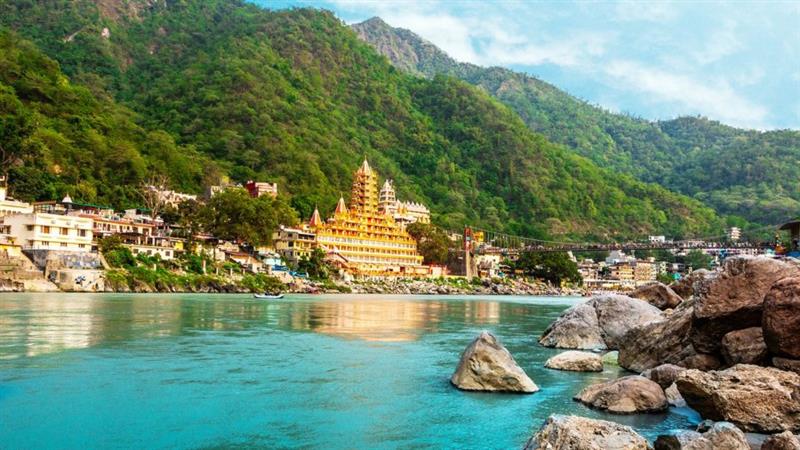
Why Visit Rishikesh in March?
Going to Rishikesh in March has several advantages over other months. These include the following:
- The weather is good: It is warm enough to raft and cool enough for hiking.
- Fewer tourists: Tourists arrive after the winter peak and before the summer overcrowding time. Therefore, the most famous locations are quieter and more peaceful.
- The snowmelt begins, and the water level rises slightly. The river is fantastic for white-water rafting – it’s even more exciting than in winter, but it is not usually as dangerous as it is during the peak and restless gusts of the monsoon.
Best Places to Visit in Rishikesh in March
The comfortable weather in March makes everything worth exploring. Here are the best places to visit in Rishikesh in March:
- Kunjapuri Temple: The clear winter skies of March combine to make the Kunjapuri Sunrise Trek a truly spectacular one, offering unobstructed views of the Himalayan peaks.
- The Beatles Ashram: While it’s fun to see the graffiti-covered stone huts of the Ashram, in the dim sunlight, you can take a stroll around the Ashram campus and connect with its musical history.
- Neer Garh Waterfall: The water left from the winter melt is clear and refreshing, and after a short hike, you can dip into the cold water for a quick, rejuvenating swim.
- Triveni Ghat & Parmarth Niketan: the evening Ganga Aarti is divine, the warm weather makes the experience more appealing, and you can watch the spiritual ceremony without the huge crowds at the ghats.
- Laxman Jhula: walk across this iconic bridge in the golden hour light, with the March sun casting a pleasant glow on the river and the hills, making it all great for photography.
Adventure Activities in Rishikesh During March
For those seeking an adrenaline rush, March is a prime time for adventure in Rishikesh.

- White-Water Rafting: This is the start of the prime rafting season. The Ganga is lively and energetic. Rafting in Rishikesh in March offers a perfect blend of exciting rapids and smooth stretches, suitable for both beginners and enthusiasts.
- Trekking: All trails are open and accessible. From the spiritual journey to Phool Chatti to the challenging climb to Jhilmil Gufa, the weather is your ideal companion.
- Bungee Jumping & Giant Swing: Soar through the clear Rishikesh skies and enjoy breathtaking Himalayan views as you take the leap from one of India’s highest jump platforms.
- Camping: Nights by the river in Shivpuri are excellent; the cool breeze makes sitting around a campfire exceptionally cosy.
Read More: Why Should You Visit Rishikesh in The Month of April?
Yoga & Spiritual Experiences in Rishikesh in March
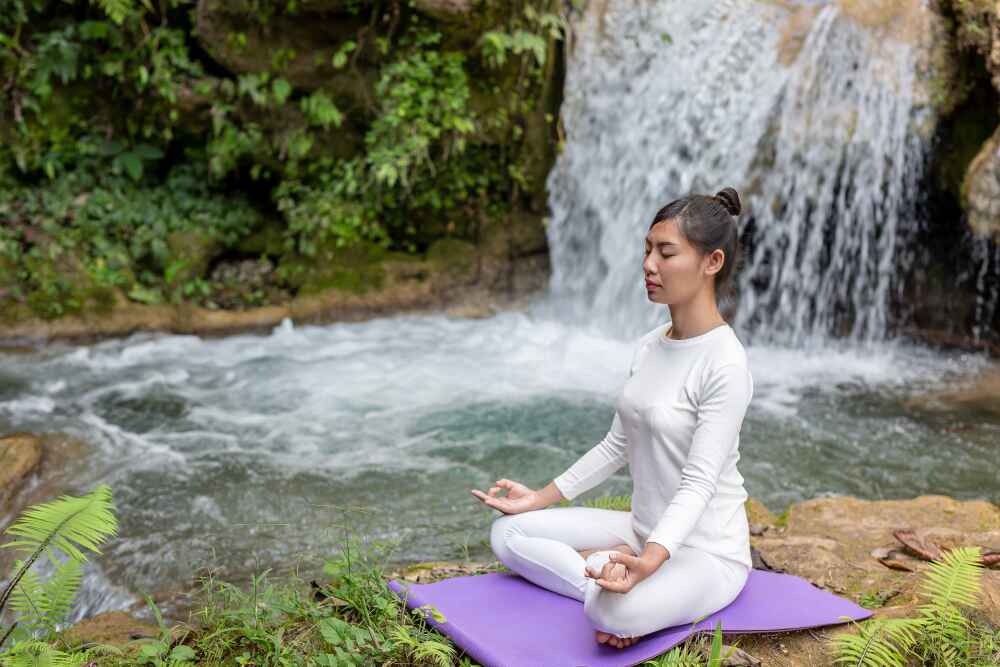
March is a great month to deepen your yoga experience. The weather is perfect for carrying out yoga in Rishikesh.
- Outdoor Yoga Practice: Surya Namaskar in the morning when the sun’s rays are warm but not scorching on your skin; you can listen to the Ganga river’s music in the background. Several ashrams and studios offer outdoor Yoga classes.
- Yoga Teacher Training: March is the month when each one initiates the new batches. It is an optimal time to train, as the atmosphere is favourable and remains pleasant. The mild weather is ideal for physical/mental workouts and joining Yoga Teacher Training in Rishikesh.
- Ashram Life: You can spend satisfying days in Rishikesh’s ashrams and have a chance to enjoy sattvic meals in open courtyards while gazing at the freshly bloomed flowers.
Food & Local Experiences in Rishikesh in March
March is a great time to try Rishikesh’s local food and enjoy the city’s unique flavours.
- Seasonal Delights: This is the time for fresh, local produce. Some street vendors offer seasonal wild berries, such as Hisalu and Kafal, sweet and sour fruits that grow only in the Himalayan foothills.
- Café Culture: The weather is perfect for spending time in the town’s favourite cafes. Sit at a riverside café with a cup of tea or a healthy bowl of muesli and soak in the views for hours.
- Sattvic Meals: Partaking in a pure, sattvic meal at an ashram like Parmarth Niketan feels especially aligned with the season of renewal, cleansing the body as the environment rejuvenates.
Conclusion
Rishikesh in March is a symphony of ideal weather, vibrant culture, and boundless opportunity. The month of March offers a golden opportunity to experience thrills on the river, meditative truths on the yoga mat, and the intense force of faith during Ganga Arti. But whether you’re brought here by the mountains, the Ganga, or just to find peace, a journey to this holy place is much more than a simple holiday – it’s a transfiguration. And yet, this town remains a fantastic blend.
This article is for general information and is not medical advice. If you have a respiratory or heart condition, are pregnant, or are unsure whether these practices suit you, please speak to your doctor before beginning.

 +91-8433225327,
 Rishikul Yogshala Rishikesh, Narayan Kunj, Jonk Village, Ram Jhula, Swarg Ashram, Rishikesh, Uttarakhand 249304
 By Airway
 By Railway
 By Bus/Cabs