








Mouni Baba Cave Rishikesh: History, Significance & How to Visit
Table of Contents
- History of Mouni Baba Cave
- Who Was Mouni Baba?
- Spiritual Significance of Mouni Baba Cave
- Mouni Baba Cave and Yogic Silence (Mauna)
- Where Is Mouni Baba Cave Located?
- Best Time to Visit Mouni Baba Cave
- Guidelines for Visitors
- Other Nearby Places To Explore
- Why Silence Still Matters in Modern Life
- Conclusion
- FAQs About Mouni Baba Cave
Tucked into the forested hills above the Ganges, Mouni Baba Cave is one of Rishikesh’s quieter sacred spots. It’s named after Mouni Baba — the silent saint — who is said to have lived here in deep mauna, the yogic practice of complete silence. The cave itself is small and unassuming; what draws people here is what it stands for. In this guide, we’ll meet Mouni Baba Cave gently, walk through its history, explore the yogic tradition of mauna, and look at how to visit with quiet respect.
Whether you’re planning to explore Rishikesh, or treating your soul with a meditation retreat or just a quiet nature escape, this guide will take you through everything you need to know about exploring Mouni Baba Cave, its location, history, importance, how to get there, best time to visit, what to expect, and nearby places.
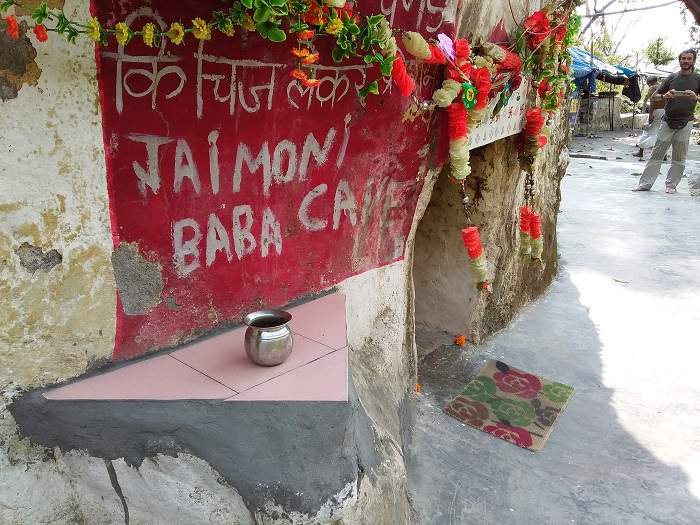
History of Mouni Baba Cave
Mouni Baba Cave is located in a dense forested hill near Rishikesh and is believed to have served as a sanctuary for yogis seeking solitude. The cave gained recognition because it was once occupied by Mouni Baba, who chose this natural space for uninterrupted spiritual practice.
Over time, local residents and visiting yogis began identifying the cave as a quiet place for focused meditation. Unlike other religious sites, the cave was never developed into a temple or any kind of commercial institutional centre. Its surroundings remained unchanged, preserving the raw, natural setting that has supported meditative practice for decades.
As word spread among spiritual communities, the cave slowly became known as an offbeat retreat rather than a traditional pilgrimage destination. Today, Mouni Baba Cave is valued for its simplicity and peaceful environment, so that visitors can get a chance to experience quiet reflection in the same setting that once supported a life of disciplined meditation.
Who Was Mouni Baba?
Mouni Baba was a Himalayan yogi known for his deep commitment to silence and inner discipline. The “Mouni” name has its own meaning and depth; it comes from the Sanskrit word Maun, meaning silence, which defines his spiritual path. Rather than learning from sacred texts or other saints, Mouni Baba believed that self-realisation arises through quiet awareness and withdrawal from external distractions.
He lived a simple life, avoiding social recognition and material comfort. Those who encountered him describe him as calm, observant, and inwardly focused. His spiritual practice centred on meditation, restraint, and self-inquiry on ” Who am I?, making him a symbol of the ancient yogic tradition that values experience over explanation.
Mouni Baba left behind no written teachings. His influence passes through the values he lived by—stillness, detachment, and mindful presence — and still inspires thousands of seekers on the path of spirituality.
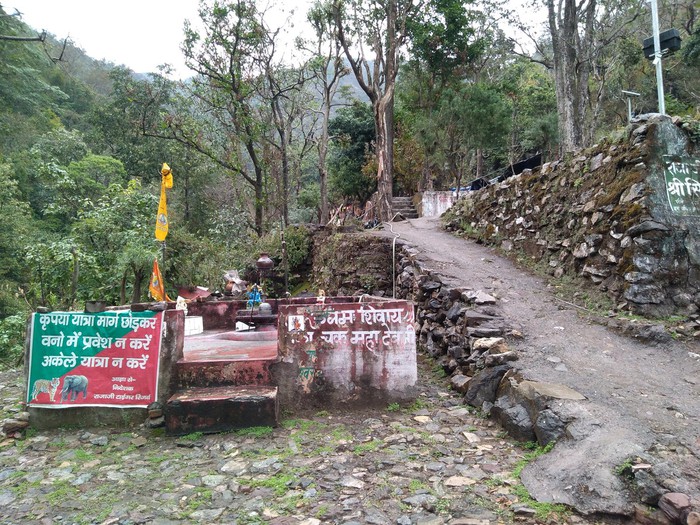
Spiritual Significance of Mouni Baba Cave
Caves have always held a special connection with spirituality since ancient times, and Mouni Baba Cave offers the same: an environment that nurtures inner stillness and gives you moments of reflection.
Mouni Baba Cave embodies this timeless connection, offering a serene sanctuary where the mind can quiet and the heart can open. The quiet walls of the cave shut out external noise, creating a calm space that helps people focus within themselves, feel peaceful, and connect with their inner selves.
The cave’s quiet atmosphere creates a sense of calm and detachment, where time seems to slow in peaceful silence. The energy of the space helps people become more aware and encourages self-reflection and inner connection. In this calm setting, Mouni Baba Cave is more than just a shelter—it becomes a peaceful place for meditation, reflection, and spiritual renewal.
Mouni Baba Cave and Yogic Silence (Mauna)
In Sanskrit, “Mauna” means silence, and one who practices it regularly is referred to as a “Muni,” which is considered respectful in Hinduism and yoga. Mouni Baba Guru Cave is related to this practice, providing a site where silence is observed outwardly and cultivated inwardly. Though silence is a significant component of Mauna, the concept goes much deeper than that.
According to yogic science, outer silence is not sufficient; deep meditation must be accompanied by the inner silence of the mind. Nowadays, our lifestyles constantly fill our heads with mental chatter that causes so much distraction. Controlling speech through practices like Mauna helps keep the mind in the present by relaxing the nervous system, and the stillness of Mouni Baba Cave naturally supports this process.
Modern studies say the same, controlling speech and thought conserves energy, improves breath control, and enhances focus. Mauna is also a support for Pratyahara, the yogic practice of withdrawing “power” of the senses, because mastery over speech brings patience and mental clarity, enhances observation power, and forms the foundation for advanced yogic meditation.
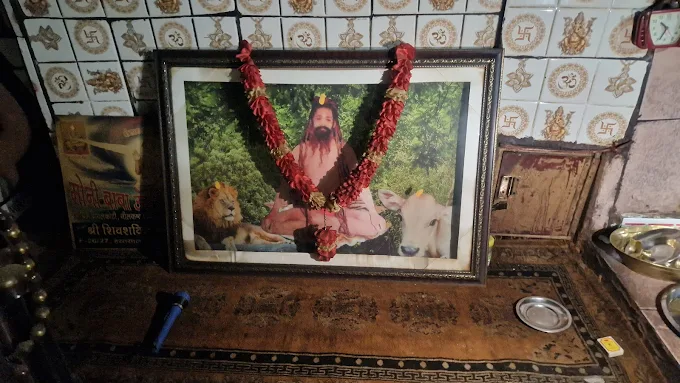
Where Is Mouni Baba Cave Located?
Mouni Baba Cave is situated in Rishikesh, near Swarg Ashram, on the banks of the holy River Ganga. The location is not far from the Tapovan area and close to Laxman Jhula. The cave is surrounded by green hills and forested paths, which add to its peaceful ambience.
How to reach the cave:
- First, head to Ram Jhula; from there, it takes about 10–15 minutes to walk along a small forested path.
- From Laxman Jhula, it is about a 30 to 40 minute walk, depending on your stamina.
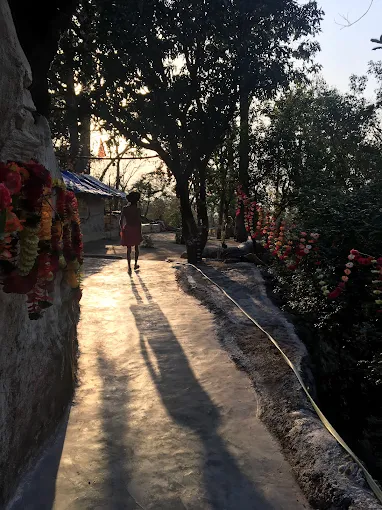
- The path is easy to walk but a bit uneven, so visitors are advised to wear comfortable footwear. However, the surrounding trees, birds, and flowing river make the walk itself a meditative experience.
Best Time to Visit Mouni Baba Cave
There is no time restriction to visit the cave, so anyone can visit throughout the year, but for the best calming experience, it’s better to visit during the time:
Time of day:
- Early morning (6:00–8:00 AM) – quiet and fresh
- Late afternoon (4:00–6:00 PM) – fewer visitors
Best Months:
- October to March: Cool and comfortable
- April to June: Morning visits recommended
- July to September: Lush greenery, but paths can be slippery
Weekdays are generally quieter than weekends, making it easier to enjoy meditation and reflection.
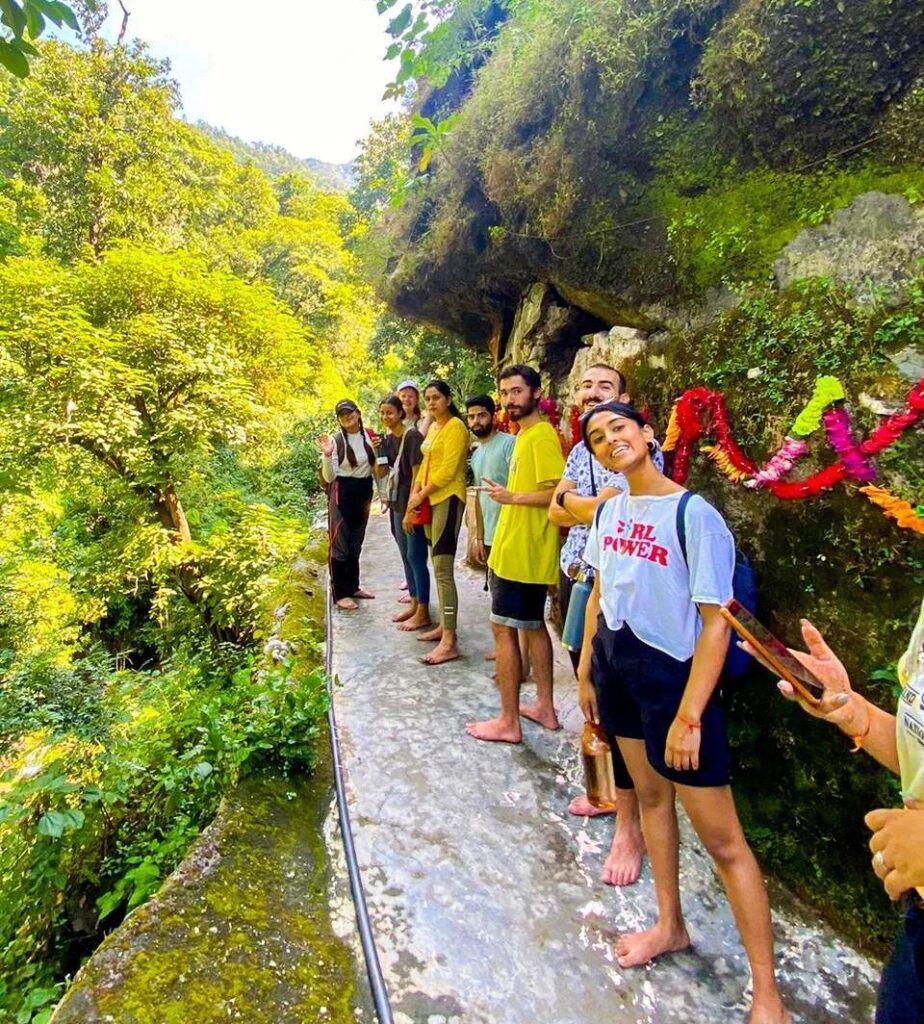
Guidelines for Visitors
To maintain the sanctity and peace of Mouni Baba Cave:
- Arrive Early: Visiting early in the morning allows you to enjoy the cave when it’s quiet and peaceful.
- Dress Comfortably: The cave is narrow, so wear fully covered, comfortable clothing for walking and sitting, so you can move easily.
- Walk Mindfully: The paths leading to the cave itself are very scenic and calm. The slow, mindful walk prepares you for the meditation.
- Sit and Breathe: Even 10 to 20 minutes of quiet sitting and mindful breathing can help you feel refreshed.
- Observe Nature: The birds, the rustling tree,s and the Ganga (that flows by) add to the serenity of being.
- Respect Others: Keep silent and avoid disturbing anyone meditating or reflecting.
- Wait a While: If the cave is crowded, take advantage by enjoying the nearby green, peaceful surroundings.
If everyone follows these easy guidelines in Mouni Baba Cave, it helps to preserve the spiritual atmosphere and enhance the meditation experience for everyone.
Other Nearby Places To Explore
If you have some time to spend after visiting Mouni Baba Cave, you can visit other nearby locations such as:
1. River Ganga Banks
In Hindu culture, yoga has a deep connection with the Ganga. Sitting quietly by the river helps calm the nervous system and supports reflection. Spending time near the Ganga ghats will give you a grounding experience.
2. Swarg Ashram Walkways
This area has peaceful paths, temples, and ashrams. Especially early morning walks here have a calming effect on the mind.
3. Forest Trails
Short forest walks around the cave area provide fresh air and a connection to nature, which supports mindfulness.
These nearby places help create a balanced spiritual experience.
Also Read: 10 Beautiful Places to Visit in Rishikesh: A Traveller’s Gentle Guide
Why Silence Still Matters in Modern Life
In today’s noisy world with the rat race, silence has become rare. Phones, traffic, and constant activity make it difficult to focus and reflect. Places like Mouni Baba Cave remind us of the importance of slowing down.
Practising silence can impact in many ways, such as:
- Reduce stress and mental clutter
- Improve focus and attention
- Promote emotional balance
- Support mindfulness and inner peace
Even a short visit to such a place teaches the value of being present and listening to oneself.
Conclusion
In a noisy world, Mouni Baba Cave is a sheer reminder that silence isn’t emptiness, but is full of awareness. A visit here is not about seeing something new but about remembering something essential within yourself.
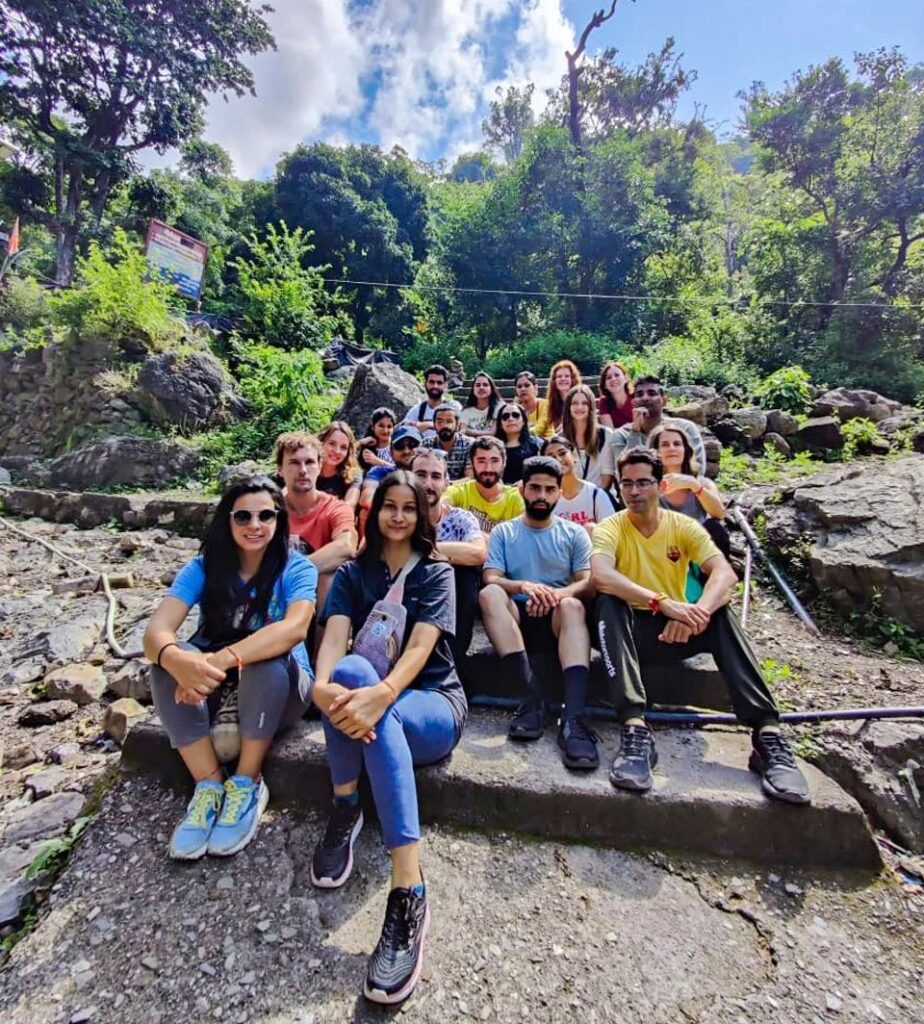
For yoga students, spiritual seekers, and pilgrims in Rishikesh, a visit to the cave offers an exclusive opportunity to experience the yogic way of life amidst unspoiled nature. Slow time, walking mindfully through local trails, and tuning into nature help create balance and peace.
FAQs About Mouni Baba Cave
Q1. What is Mouni Baba Cave famous for?
Ans. The cave is famous for many reasons, such as its peaceful location, meditation and spiritual reflection in a calm, natural setting, and the other main reason is “Mouni Baba”, a respected yogi who has meditated here for years.
Q2. Is meditation allowed inside Mouni Baba Cave?
Ans. Yes, the cave is mainly used for meditation and mindful reflection. Spending a few moments in silence enhances the experience.
Q3. Is Mouni Baba Cave open to tourists?
Ans. Yes, anyone visiting Rishikesh can go, but it is more suited for those seeking a quiet experience.
Q4. How much time is needed to visit Mouni Baba Cave?
Ans. A visit usually takes 30–60 minutes, including walking and meditation.
Q5. Is the cave suitable for beginners in meditation?
Ans. Yes, beginners can sit quietly and focus on breath awareness; even 10 to 15 minutes is very beneficial.
This article is for general information and is not medical advice. If you have a respiratory or heart condition, are pregnant, or are unsure whether these practices suit you, please speak to your doctor before beginning.

 +91-8433225327,
 Rishikul Yogshala Rishikesh, Narayan Kunj, Jonk Village, Ram Jhula, Swarg Ashram, Rishikesh, Uttarakhand 249304
 By Airway
 By Railway
 By Bus/Cabs