








Vashistha Cave Rishikesh: A Gentle Guide to the Ancient Meditation Cave on the Ganges
Table of Contents
- Who Was Vashistha?
- History of Vashistha Cave
- About Vashistha Cave
- What To Expect While Visiting the Vasishtha Cave?
- Visitor Tips
- Cave Structure and Significance
- Visitor Information & Travel Details for Vashistha Cave
- Best Time to Visit Vashistha Cave
- How to Reach Vashistha Cave, Rishikesh
- Other Nearby Sacred Caves
- Points Of Interest for Vashistha Cave
- Conclusion
About 22 kilometres upstream from central Rishikesh, on the banks of the Ganges, there’s a small, dark cave where the air feels heavier with silence than anywhere else in the area. This is Vashistha Cave, named after the sage Vashistha who is said to have practised meditation here in ancient times. Today, seekers from around the world come quietly to sit in the cave and meditate, often for hours. In this guide, we’ll meet Vashistha Cave with care, walk through how to visit, and explore what to expect when you arrive.
The energy of these great spiritual gurus can be felt even today in the many ancient temples, meditation caves, and sacred spots that are a common sight across the region. Across these sacred places in Rishikesh, Vashistha Cave holds a special significance. The cave is situated on the Ganga’s riverbank, reachable by a small trek. The name of this cave reflects its historical importance, as it is believed that Rishi Vashistha meditated here. He was one of the seven Saptarishis in Hindu mythology and also Lord Rama’s guru.
It is said that the sage performed intense penance here, and the spiritual energy generated through his practices continues to be felt within the cave even today.
Whether you are a yoga student, a meditation seeker, a nature lover, or simply a traveller looking for peace and quiet, Vashistha Cave in Rishikesh is an ideal destination to explore. In this guide, we will take you through the path to the cave, its spiritual and historical significance, what to see inside, useful tips for visiting, and nearby attractions. We will also cover everything you need to know to make your visit safe, enjoyable, and memorable.
Who Was Vashistha?
Sage Vashistha is one of the most respected gurus in traditional Indian history and Hindu mythology. He is regarded as one of the great rishis (sages) of western India, well-known for his spiritual wisdom and meditation. Vashistha’s name appears frequently in texts such as the Rigveda and the Ramayana, where he was referred to as a royal priest whose scholars were kings – a long line of ancient Indian rulers, some mythological and some historical.
Vashistha meditated for many years in a cave beneath the Rishikesh area on the banks of the Ganges. Which is now named after him; here, it is believed he gained profound spiritual knowledge, turning this cave into a religious site for meditation, reflection, and study.
For those studying yoga and seeking spiritual growth, learning more about Vashistha’s life and teachings enriches the visit. To sit in the very exact cave he used for meditation could stimulate methods of total concentration, action, and inner peace.
History of Vashistha Cave
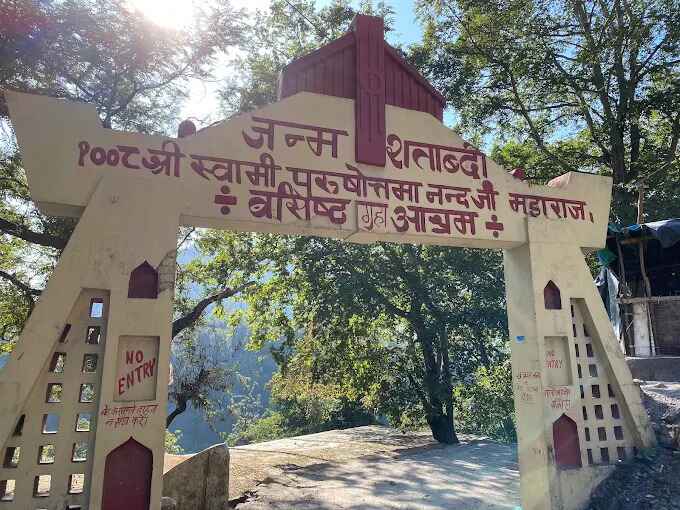
The ancient history of Vashistha Gufa dates back thousands of years and is deeply connected with India’s spiritual heritage. It is believed that Rishi Vashistha was the guru of Lord Rama and his brothers Lakshman, Bharata, and Shatrughna. According to local legends, after the death of all the children of sage Vashistha, he decided to take his life by drowning himself in the river Ganga. But, goddess Ganga refused to let him die. After that, Rishi meditated in this small cave and gained peace and wisdom. The cave has since remained a sacred site for sages, monks, and spiritual seekers in search of peace and meditation.
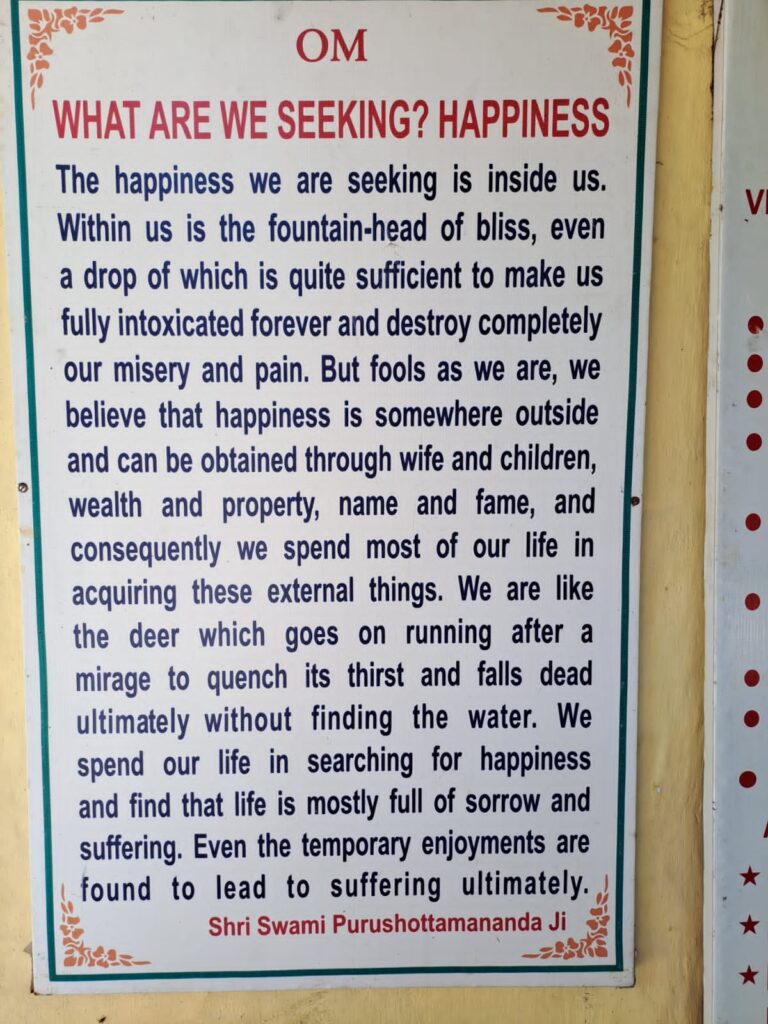
In modern history, the cave was rediscovered and occupied by Swami Purushottamananda in 1928, who performed intense tapas (austerities) for many years. A small kutir (hermitage) was eventually built near the cave entrance for him.
Over the decades, the cave became a hub for spiritual practice and was visited by many Siddhas (perfected beings) and yogis:
- Sri Sathya Sai Baba visited Vashistha Gufa for three consecutive days in 1959 while visiting Swami Sivananda in nearby Rishikesh.
- Professor Narayana Kasturi writes in Sathyam Sivam Sundaram Vol 1 about Baba’s visit, highlighting the divine and serene atmosphere of the cave and the interactions with Swami Purushottamananda.
- The visits included divine visions, musical offerings, and miraculous experiences that further sanctified the site.
About Vashistha Cave
Located on Badrinath Road, Vashistha Cave is a peaceful and sacred site surrounded by natural silence. Inside the cave, white mats are laid out to accommodate around 12 people. The gentle fragrance of oil lamps and incense enhances the meditative atmosphere.
In 1930, Swami Purushottamananda initiated the development of the ashram. Today, the Swami Purushottamanand Society continues to maintain the cave and ashram, welcoming visitors from across the world.
What To Expect While Visiting the Vasishtha Cave?
A Path of around 200 steps takes you to the entrance of the cave. Mind your steps, since it tends to get dark as you go ahead. Do visit the Shiv Linga at the end of the cave to seek blessings. The cave is maintained, and the floor is strewn with white mats for up to 12 people. The interior is filled with the aroma of burning oil and sticks, making it a perfect meditation sanctuary. Do see the iron bridge across the river that leads to the tiny Gular village.
Visitor Tips
- The cave is 25 km from Rishikesh, situated on the Rishikesh-Badrinath road.
- Try to visit early in the morning to avoid crowds.
- Carry a torch or phone flashlight.
- Wear comfortable shoes suitable for walking on uneven paths.
- Wearing simple and respectful clothing is appreciated and aligns with local customs.
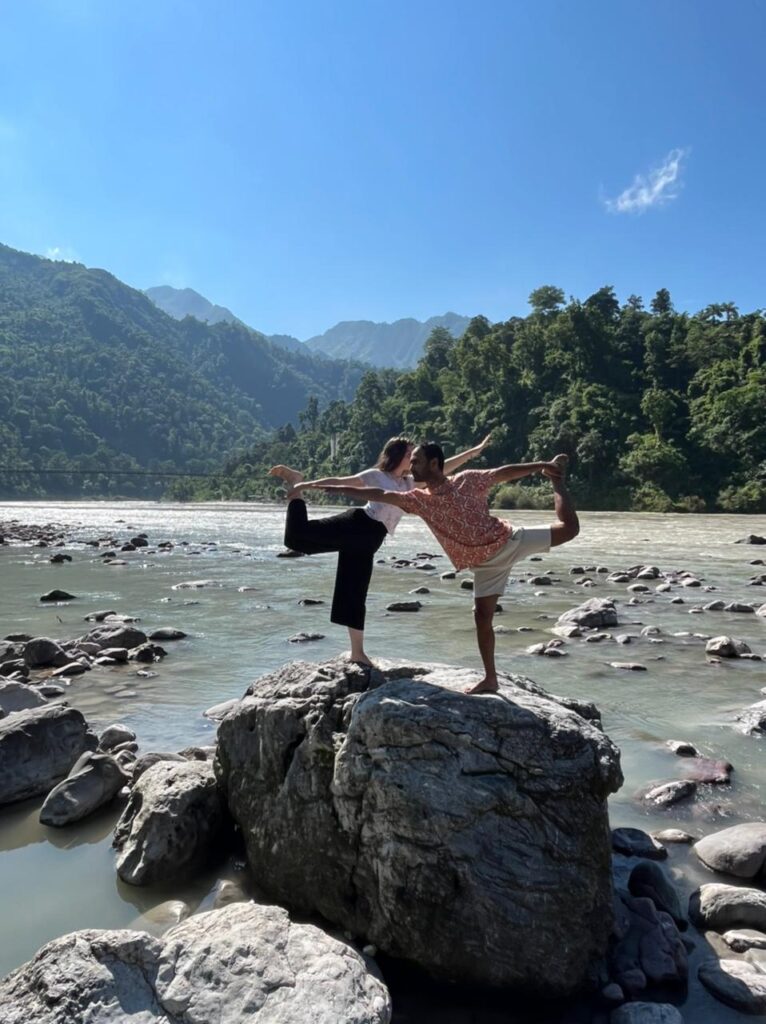
- You can sit at the beach outside the cave, which makes for perfect surroundings to relax.
- Bring water and a hat or sunscreen to stay hydrated and protected from the sun.
- Photography is usually allowed, but be mindful of visitors who are meditating.
- You can spend some time at the small ashram nearby, dedicated to Swami Purushottamanand, and learn about its spiritual history.
- Combine your visit with nearby attractions for a full day spiritual and nature experience.
Cave Structure and Significance
- Vashistha Gufa is believed to extend several kilometres into the hillside.
- Swami Purushottamananda sealed off the extension so that Siddhas (perfected beings) could meditate undisturbed.
- Today, the cave extends about 20 metres into the hillside, opening into a room large enough to seat eight people.
- A round stone seat marks where Swami Purushottamananda meditated in samadhi.
- The cave altar includes a Shiva Lingam and an anthropomorphic Shiva Mahadev murti, illuminated by a couple of oil lamps.
Visitor Information & Travel Details for Vashistha Cave
- Opening Hours of the Ashram: 8:00 AM – 12:00 PM & 3:00 PM – 6:00 PM
- Prime Visiting Time: Weekends, 4:00 PM – 6:00 PM
- Suggested Duration: 1–2 hours
- Entry Fee: Free
- Nearest Railway Station: Rishikesh (22 km)
- Nearest Airport: Jolly Grant Airport (38 km)
- Nearest Bus Stop: Rishikesh Bus Station (21 km)
Best Time to Visit Vashistha Cave
Peak Season (October to February)
- Weather: Pleasant, clear skies (8°C – 34°C)
- Activities: Cave exploration, yoga, meditation
Moderate Season (March to May)
- Weather: Hot and humid (24°C – 36°C)
- Activities: Meditation, quiet exploration
Low Season (June to September)
- Weather: Moderate rainfall (24°C – 35°C)
- Activities: Yoga, meditation, cave visits
How to Reach Vashistha Cave, Rishikesh
Getting to Vashistha Cave, Rishikesh, is simple, and the journey itself is full of beautiful sights and peaceful surroundings.
How to Reach:
- Walking: From Laxman Jhula, it’s approximately a 30–40 minute walk along a scenic path. The walk itself is peaceful, with views of the river, forest, and nearby ashrams.
- Taxi or Auto-Rickshaw: You can hire a taxi or auto-rickshaw to reach the trailhead, then walk the remaining distance to the cave.
- Public Transport: Shared taxis and buses are available from the Rishikesh bus station to Tapovan.
Distance from Major Points in Rishikesh:
- Laxman Jhula: 3 km
- Ram Jhula: 4 km
- Rishikesh Bus Station: 6 km
Other Nearby Sacred Caves
Nearby Cave by the River
A smaller cave lies about a five-minute walk downstream from the ashram. Located partway up the hillside and facing the Ganga, it houses a small white Shiva Lingam at the back.
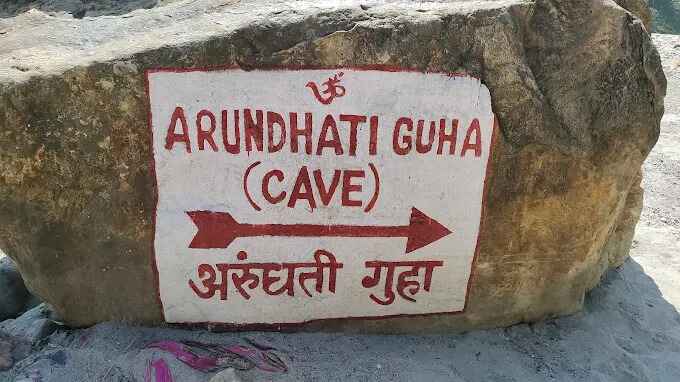
Arundhati Guha: Also known as the Jesus Cave, gained its name in the 1930s after Papa Ramdas mentioned his vision of Lord Jesus there in his book In the Vision of God (1934). He described how divine guidance led him to Vashistha Guha at a time when no roads or clear paths existed. According to tradition, Jesus appeared to him in this cave, and it is also believed that Jesus may have spent time here during his “lost years” in India.
Points Of Interest for Vashistha Cave
Apart from the Vashistha Cave, a few amazing places that lie nearby are as follows:
- Bhootnath Temple: The Bhootnath Temple is devoted to lord Shiva. It is located just near Shivpuri in the Swargashram region of Rishikesh, right after Parmarth Niketan Ashram, and very close to the Ganga’s riverbank. This place presents a 360° view of Rishikesh and is surrounded on three sides by Rajaji National Park, offering lush green surroundings and a spiritual atmosphere.
- Mouni Baba Cave: It is another sacred spot in the region, known for its peaceful surroundings and spiritual significance. The cave is situated in Rishikesh, near Swarg Ashram, on the banks of the holy River Ganga. Its location is not far from the Tapovan area and close to Laxman Jhula.
- Neelkanth Mahadev Temple: Located a little distance away from the cave, this temple is dedicated to Lord Shiva. It is said to be quite old, and people say that this is the place where he consumed poison. Hence, the place is known as ‘Neelkanth Mahadev Temple’.
- Triveni Ghat: It is renowned for its sacredness, and many people come here to take holy dips. The River Ganga flows through the ghat, and you can even catch a glimpse of Ganga Aarti from here.
- Shivpuri: This is the ideal place for all those seeking adventure in places adorned with nature’s beauty. People often come here for exciting adventures like rafting, hiking, and trekking.
Read More: Mouni Baba Cave: A Sacred Silence in the Spiritual Heart of Rishikesh
Conclusion
Vashistha Cave is a destination that fulfils every kind of traveller’s desire. Here, spiritual seekers find peace and divine energy in its sacred surroundings; city explorers enjoy a serene escape from the chaotic streets of Rishikesh; and trekkers are rewarded with a short, scenic route through lush forests and along the Ganga. With its spiritual significance, beautiful surroundings, and authentic Rishikesh vibe, a visit to Vashistha Cave with Rishikul YogshalaRishikesh leaves you feeling refreshed, inspired, and completely satisfied.

 +91-8433225327,
 Rishikul Yogshala Rishikesh, Narayan Kunj, Jonk Village, Ram Jhula, Swarg Ashram, Rishikesh, Uttarakhand 249304
 By Airway
 By Railway
 By Bus/Cabs