








Teaching Practicum in Yoga Teacher Training: A Gentle Guide to the Bridge Between Student and Teacher
Table of Contents
- What is a Teaching Practicum Workshop?
- From Gurukuls to Modern Yoga: The Story of Teaching Practicum
- The Two Sets of Tools in a Teaching Practicum Workshop
- Logical Tools
- Subtle Tools
- How a Teaching Practicum Works in a Workshop
- 1. Teaching Sessions
- 2. Observation and Feedback
- 3. Reflection
- Skills Developed Through Practicum
- The Difference Between Student Teaching and Being a Teacher
- How to Make the Most of a Teaching Practicum Workshop
- Conclusion
- Frequently Asked Questions
There’s a quiet moment in every yoga teacher training when you stop being only a student. You step to the front of the room, clear your throat, and offer your first cues to a circle of fellow trainees. That moment is the heart of what’s called the teaching practicum — the carefully held bridge between learning yoga and teaching it. In this guide, we’ll meet the practicum gently, look at how it actually works, and explore how to make the most of the experience.
The real change from a learner to a teacher requires practical experience too. This is where the teaching practicum plays an important role. Teaching practicum is the process through which trainees apply theoretical learning in real teaching situations.
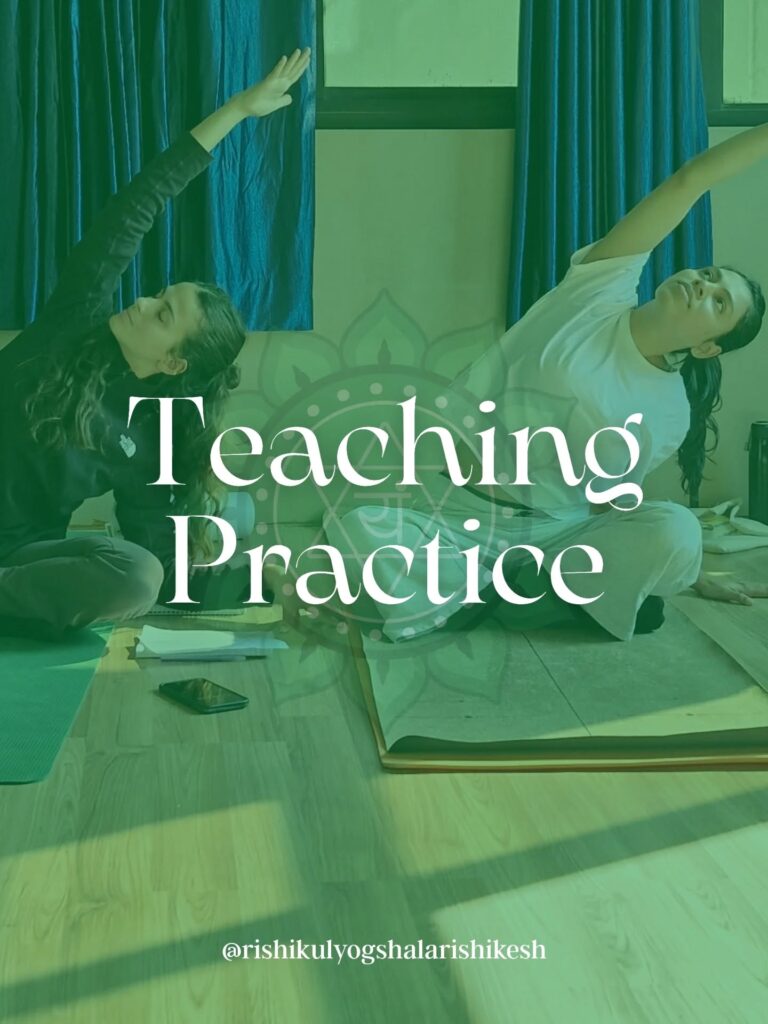
In yoga teacher education, the teaching practicum workshop serves as the core of teacher development. This guide provides a brief understanding of
- The meaning of teaching practicum
- Why is it important
- How it works in yoga teacher training
- How it supports professional growth
- Why is it important to develop capable yoga teachers
What is a Teaching Practicum Workshop?
A teaching practicum workshop is a practical and in-depth experience designed to help yoga students confidently move from practising yoga to teaching it effectively to others. The Teaching practicum emphasises the art and science of instructing others.
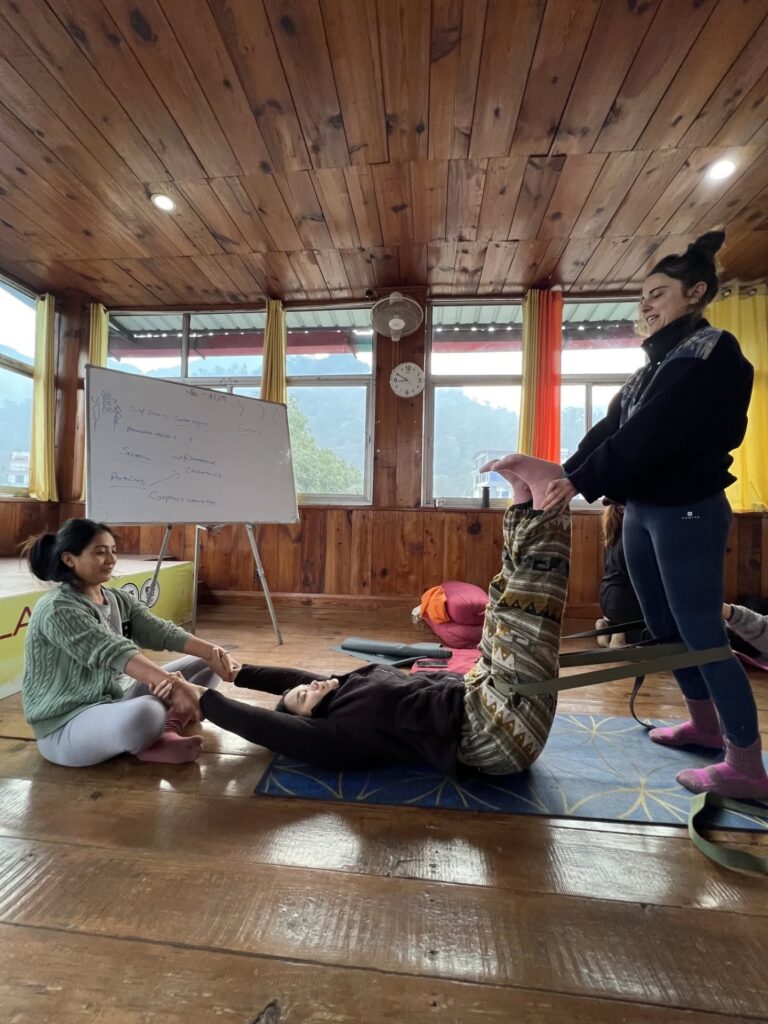
The primary goal of a teaching practicum workshop is to help yoga students progress into confident yoga teachers. Trainees are encouraged to manage the class, lead sessions, and make real-time decisions while guiding students. In this way, students start to grasp the finer details of teaching in a balanced flow, adapt yoga poses and instructions for students of all levels. Experienced teachers guide them every step of the way so that they can improve teaching skills and gain the confidence to lead a class effectively.
From Gurukuls to Modern Yoga: The Story of Teaching Practicum
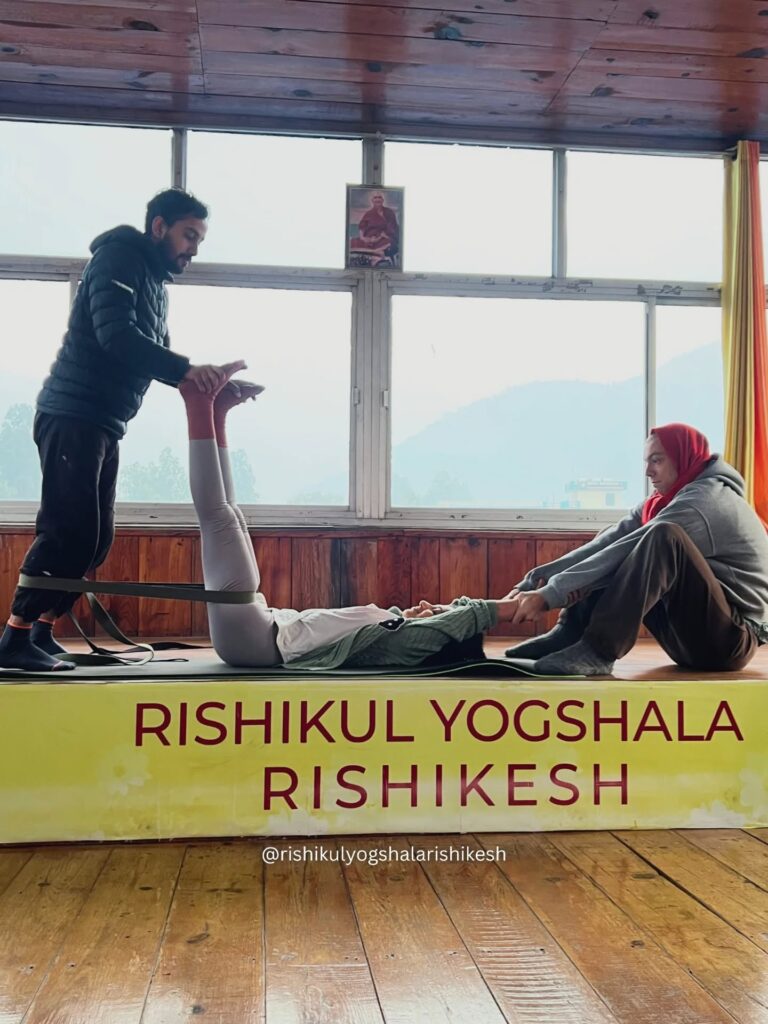
The idea of a teaching practicum in yoga has roots in ancient traditions. In India, students used to learn in Gurukuls, living with the teacher and learning by practising and even helping teach other students. By following this approach, students gained real experience under the guidance, which is similar to what modern teaching workshops provide.
When yoga teacher training programs evolved into organised training programs in the 20th century, especially with the rise of globally accredited courses, the idea of practical teaching experience was adopted from modern education systems.
Just as student teachers in schools practice in supervised classrooms before receiving certification, yoga students began participating in structured teaching practicums. These workshops were designed to bridge the gap between theoretical knowledge and real-world teaching, giving trainees the chance to experiment, receive feedback, and refine their teaching style in a supportive environment.
The Two Sets of Tools in a Teaching Practicum Workshop
Logical Tools
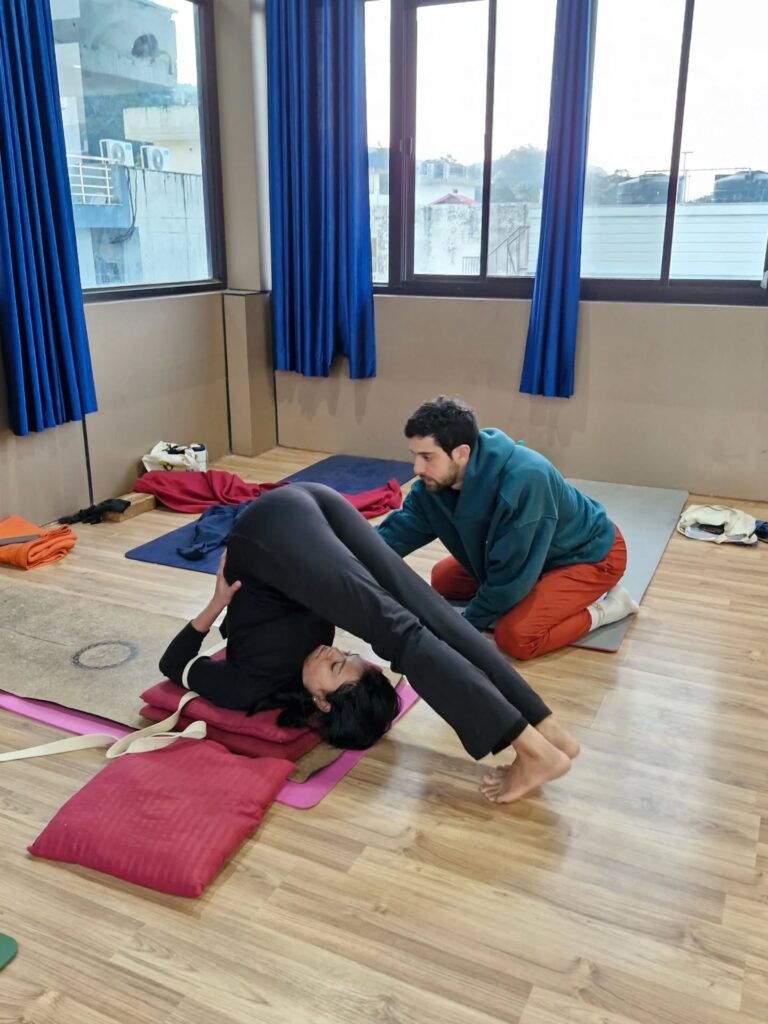
Logical tools help teachers create structured and effective classes that meet the needs of different students.
- Class sequencing: This is what a yoga class follows, building students from a gentle warm-up to more challenging or peak poses, then ending with calming cool-downs and meditation. Good sequencing reduces the chance of injury and keeps energy balanced throughout a class.
- Timing and Rhythm– Timing and rhythm are key elements of any yoga class. A well-paced class ensures students remain anchored, energised, and fully engaged from the start of their practice until they come out of relaxation.
- Lesson Planning: Classes are planned in an organised way, and each class has a specific goal and a balanced mix of flexibility, strength, and relaxation.
Subtle Tools
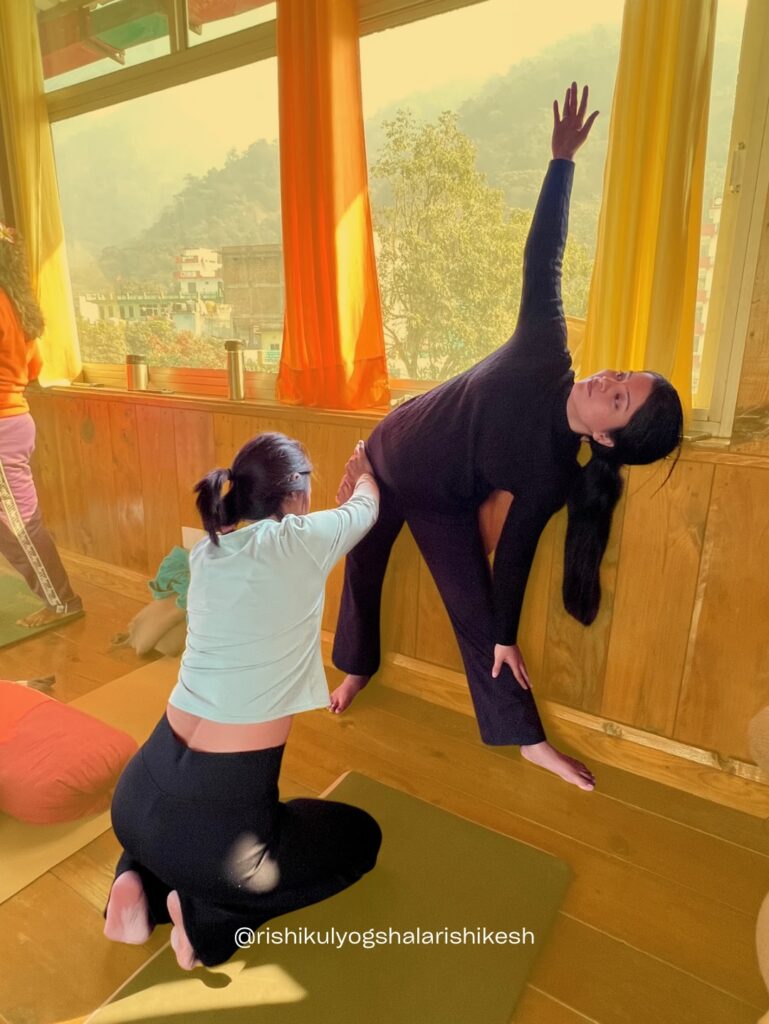
Subtle tools are the personal behaviours that enable teachers to relate to their students and respond constructively in various circumstances. The following are some of the subtle weapons-
- Communication Skills– How to clearly give instructions and explain how to correctly perform a pose in a way that even beginners will be able to follow.
- Variability– Modifying your class style for various group sizes, group structures, ages, and skill levels. This strategy helps establish an efficient learning atmosphere, which allows the students to get the most out of the exercise.
- Awareness of emotions: This includes monitoring students’ emotional states and energy levels.
- Problem-Solving– Responding to Unforeseen events (e.g., student Interruptive behaviour) with calmness and professionalism.
How a Teaching Practicum Works in a Workshop
1. Teaching Sessions
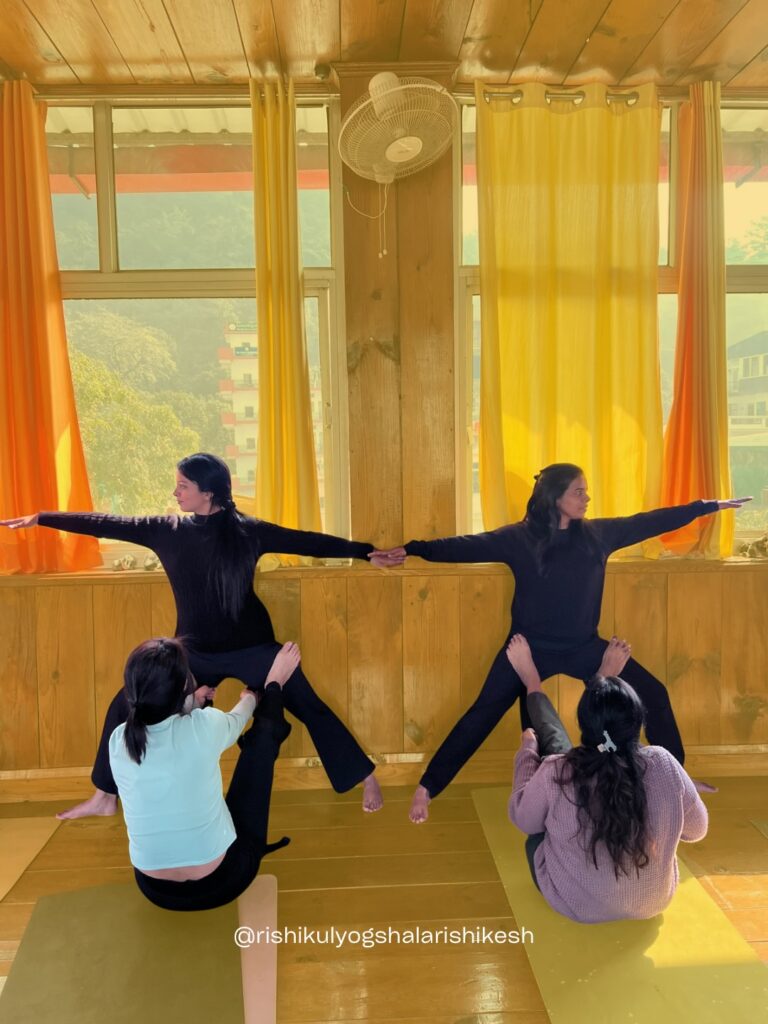
Trainees are given opportunities to lead short sessions for peers or real students. These sessions may focus on a few poses or an entire sequence, allowing trainees to practice real-time instruction.
2. Observation and Feedback
Experienced instructors observe trainees during their sessions and provide constructive feedback. This helps students to identify areas for improvement, identify strengths, and most importantly, understand how to handle student needs.
3. Reflection
After each teaching session, trainees reflect on their performance. Reflection is a key part of learning, as it allows teachers to analyse what worked, what didn’t, and how to improve.
Skills Developed Through Practicum
Teaching practicum workshops help students develop a wide range of skills:
- Communication: Clear verbal instruction and effective demonstrations
- Classroom Management: Handling distractions and maintaining student safety
- Adaptability: Modifying poses and teaching style according to student needs
- Confidence: Leading a class independently with authority
- Empathy: Understanding and responding to students’ emotional and physical needs
- Problem-Solving: Handling unexpected situations calmly and effectively
These skills are not just useful for teaching—they also help trainees become better students of yoga themselves, deepening their personal practice.
The Difference Between Student Teaching and Being a Teacher
The table shows that student teaching focuses on guided practice of basic skills, while practicum teaching involves leading full classes with greater responsibility and real teaching experience.
| Aspect | Student Teaching | Practicum Teacher |
| Definition | A student teaching session is when a trainee practices leading a class under guidance, often for peers or in a controlled environment. | A practicum teacher is a trainee who actively leads classes as part of a structured teaching practicum, applying theory to real-world teaching situations. |
| Purpose | To gain initial teaching experience and practice instructions in a safe setting. | To bridge the gap between learning and professional teaching, develop confidence, skills, and teaching style. |
| Environment | Usually, peer-based or small, controlled groups. | Can include real students in a supervised workshop or training environment. |
| Scope | Higher responsibility—trainee is accountable for the flow, safety, and engagement of the entire class. | Covers full class planning, sequencing, communication, classroom management, and adapting for different skill levels. |
| Responsibility | Limited—primarily practising teaching skills without full class ownership. | Higher responsibility—trainee is accountable for the flow, safety, and engagement of the entire class. |
How to Make the Most of a Teaching Practicum Workshop
- Listen to feedback with an open mind instead of being reactive. In this way, you will have the chance to improve and move forward with confidence.
- Participate in every session, whether it’s about teaching or just observing.
- Watch your classmates teach as it helps you understand different teaching styles, strengths, and areas where improvement is possible.
- Practice regularly to strengthen your teaching techniques.
- Ask questions freely to clear your doubts.
Also Read: Ashtanga Primary Series: Complete Guide for Yogis
Conclusion
A teaching practicum that truly shapes a student into a confident and capable yoga teacher. Through hands-on practice, trainees learn essential skills such as class sequencing, lesson planning, clear communication, empathy, and leadership. This practical experience prepares them to teach safely, effectively, and with confidence. Whether you are beginning your journey through a 200 Hour Yoga TTC in Rishikesh or advancing your skills with a 300 Hour Yoga Teacher Training in Rishikesh, the teaching practicum plays an important role in connecting theory with real teaching experience.
Frequently Asked Questions
Q1. What is a teaching practicum?
Ans. A teaching practicum is where yoga trainers apply theoretical knowledge in real teaching situations. It allows students to manage sessions, teach classes, and build confidence under the guidance of an experienced teacher.
Q2. Why is a teaching practicum important in yoga teacher training?
Ans. While personal practice, theory, and philosophy are important, real teaching experience is necessary to develop skills, classroom management, and leadership qualities.
Q3. Who can benefit from a teaching practice?
Ans. A teaching practice is important for a wide range of individuals. It is perfect for aspiring yoga teachers who are completing their 200-hour or 300-hour yoga teacher training courses, providing them with practical experience. Experienced teachers can also benefit by refining their teaching skills and learning new techniques.
Q4. Is a teaching practicum suitable for beginners?
Ans. Yes, a teaching practicum is designed for beginners. It provides a safe and supportive environment where trainees can practice teaching, make mistakes, and learn without pressure.

 +91-8433225327,
 Rishikul Yogshala Rishikesh, Narayan Kunj, Jonk Village, Ram Jhula, Swarg Ashram, Rishikesh, Uttarakhand 249304
 By Airway
 By Railway
 By Bus/Cabs

 Enroll in Our August Batch & Enjoy a Special Offer!