







Yoga, one of the oldest holistic practices in the world, is not just a form of physical exercise—it is a complete system for improving mental, emotional, and physical well-being. Yoga means unity and harmony between the outer being and the inner self. It can also be described as a science of self-knowledge and a system of self-healing.
From beginners to practitioners, understanding how yoga can help manage common diseases is essential to appreciating its healing potential.
Yoga encompasses various traditional paths of practice, such as Raja Yoga, Kundalini Yoga, Karma Yoga, Bhakti Yoga, Jnana Yoga, and the widely practised Hatha Yoga. However, each path focuses on connecting different areas of life (physical, mental, spiritual) to promote balance in the body.
In this guide, we will explore how yogic practices can help manage common disorders and improve overall quality of life.
What is Yogic Management?
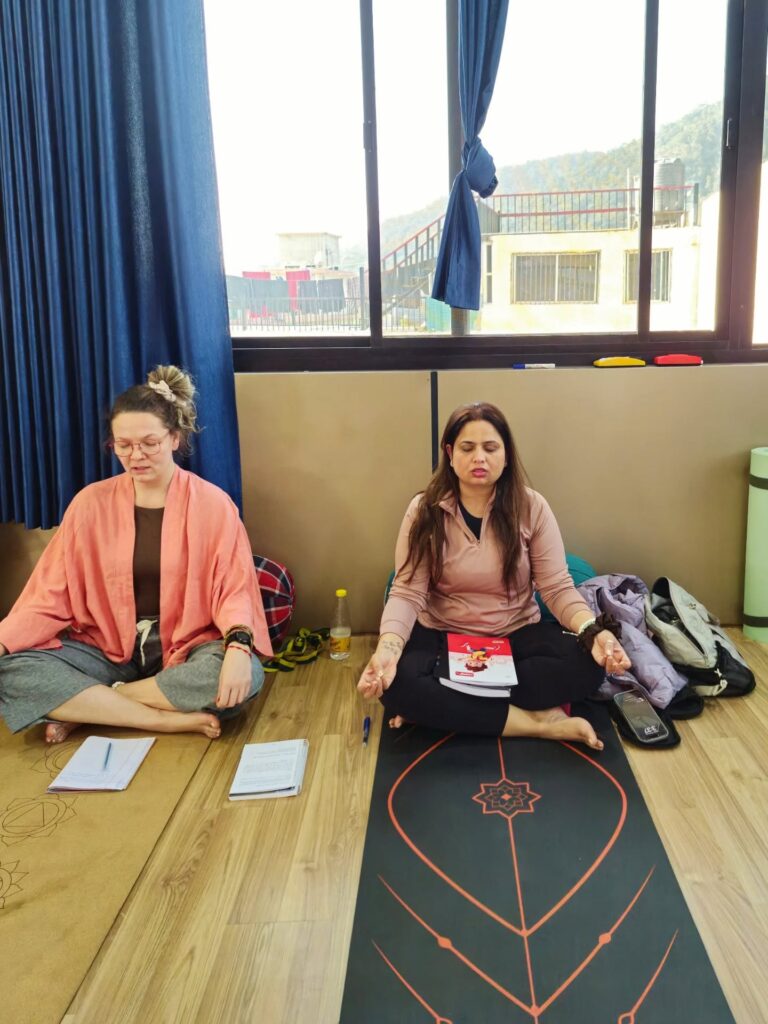
Yogic Management is the practice of using yoga and its principles to maintain good health and manage common health conditions. It is a practical approach that combines prevention, healing, and recovery. It is not like routine treatments, which merely focus on symptoms; Yogic Management treats diseases on the physical as well as psychological levels. Yoga teaches that most health issues can be managed by consistently following healthy daily practices by paying attention to your breathing, diet, and other lifestyle choices.
The Main Parts of Yogic Management Are Mentioned Below:
- Asanas (Yoga Postures): This section includes centuries-tested postures that mainly focus on physical movements that build strength, increase flexibility and circulation, and activate internal organs of the body.
- Pranayama (Breath Control) – Includes various breathing exercises that help calm the mind and control the vital energy.
- Meditation and Mindfulness – Methods for calming the mind, relaxing stress, and promoting mental clarity.
- Dietary Guidelines – Focus on Sattvic (pure, natural) foods for digestion, immunity, and vigour.
- Lifestyle – Incorporating daily routine (dinacharya) and ethical practices (yamas and niyamas) to live in balance living style.
When these Yogic Management techniques are used altogether, they create a conducive environment for the body’s own healing processes.
How Yogic Management Works
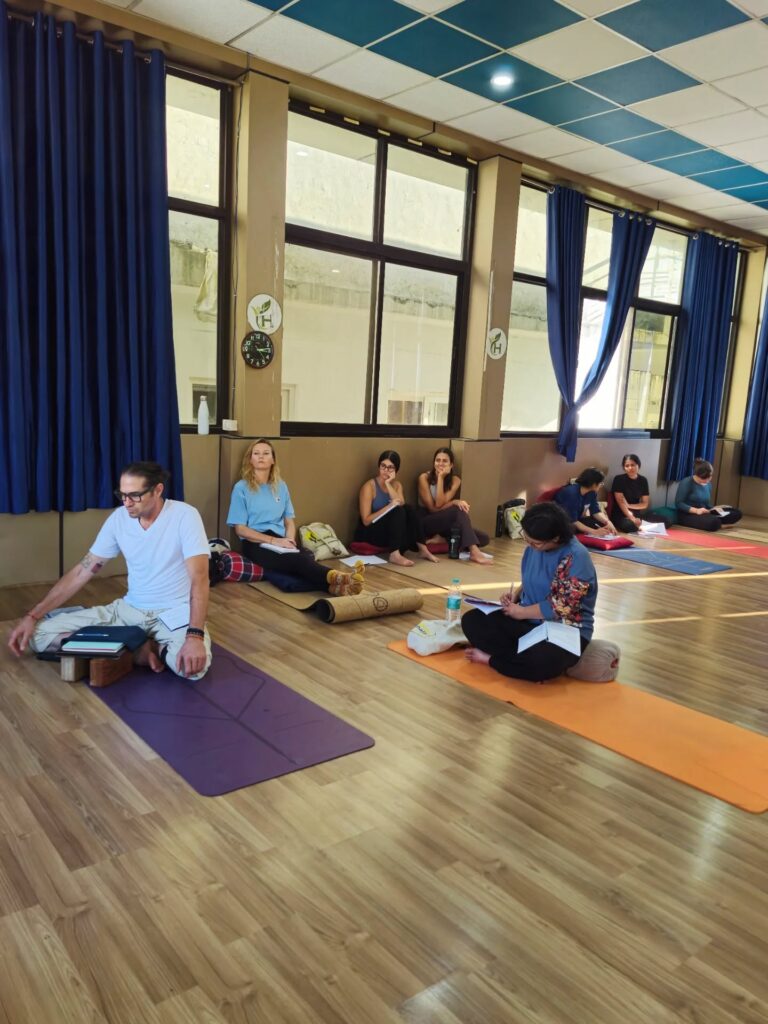
The strength of Yogic Management comes from its ability to support overall well-being by working on multiple dimensions:
1. Physical Level
Yoga exercises work on the soft tissues of organs – stretching and not pressing. For example:
- Forward bends detoxify your liver and kidneys.
- Twists give internal organs a massage, aiding digestion and elimination.
- Inversions help blood flow and lymphatic drainage. It is these exercises that cleanse the immune system, reduce inflammation, and bring vitality back.
2. Respiratory and Cardiovascular Regulation
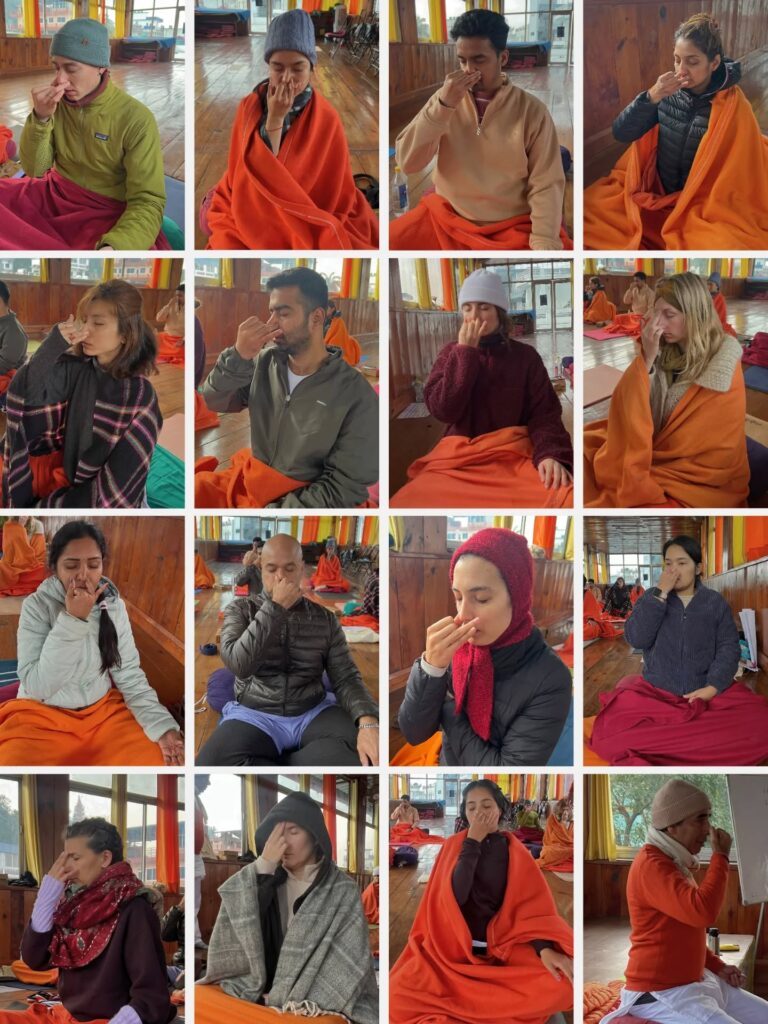
Pranayama techniques such as Anulom Vilom (alternate nostril breathing) and Bhramari (humming bee breath) have the potential to balance oxygen and carbon dioxide levels while positively impacting lung capacity and blood circulation. Regular physical activity can lower BP, normalise HR, and decrease strain on the circulatory system.
3. Nervous System and Stress Reduction
Yoga has immediate effects on the autonomic nervous system, decreasing arousal (from a state of sympathetic overactivity and a stress response to a state of parasympathetic dominance and relaxation). Meditation and mindfulness techniques lower cortisol, boost mood, and fortify mental defences.
4. Detoxification and Energy Balancing
Yogic Management is a good way to detoxify the body through cleansing practices such as Jala Neti (nasal irrigation) and Kapalabhati (skull-shining breath). At the same time, Pranic flow alignment will rebalance the prana (life force) channels in the body and restore vitality.
5. Holistic Lifestyle Integration
Yogic Food Management includes principles of moderation in eating, going to bed early and rising early, eating healthy (Satvic), and living according to righteous standards. These changes support the benefits of asanas and pranayama, promoting lifelong health.

Science Behind the Yogic Management
Modern physiological and psychological concepts can explain the science behind Yogic Management:
- Mind-Body Connection – Yoga shows how closely mental and physical health are intertwined. Anyone having stress, anxiety, and negative emotions can weaken their immune system and make diseases worse. The effects of mindfulness yoga practices help counteract these effects, supporting recovery.
- Hormonal control – Many studies show that yoga balances endocrine-stabilising hormones such as cortisol, insulin and thyroid hormones, which are frequently linked to lifestyle disorders.
- Improved Metabolism – Yoga asanas and pranayama lead to better bowel movements, which in turn improve digestion, metabolism, and weight control.
- Neuroplasticity and Cognitive Benefits: Continuous meditation, including mindfulness breathing exercises, helps improve connectivity, enabling faster information processing, increased attention, and improved retention.
- Immune-Inflammatory modulation: Yoga alleviates chronic inflammation, increases immune surveillance, and boosts the body’s natural immunity.
- Preventive and Curative Power: Because the overall resistance of the body is being enhanced along with physiological organisations, Yogic Management provides both
Common Health Conditions and Yogic Management
1. Common Cold
In yoga, cold is considered a natural way of cleansing the body. It can be controlled with gentle postures, breathing practices, and a good daily routine, which are:
- Shatkarma (Cleansing Practices) -Saltwater gargles, Jala Neti (nasal wash).
- Asana: Paschimottanasana – In what is known as the postural yoga, a half spinal twist (Ardha Matsyendrasana) stimulates abdominal organs and improves circulation.
- Pranayama (Breathing Exercises): Practice under your limits, don’t push too hard.
- Lifestyle Tips: Inhalation with thyme, chamomile, or eucalyptus (steam); enough fluids, light fruit-vegetable juices, sufficient sleep/rest.

2. Headaches and Migraines
Stress and tension headaches interfere with the way you live your life and make everything worse. Yoga can help to relieve tension, calm the nervous system, and bring us back into balance:
- Asana: Plough (Halasana), Headstand (Shirshasana), Shoulder Stand (Sarvangasana), Fish (Matsyasana), Lion Pose (Simhasana)
- Pranayama: Anuloma Viloma (Alternate Nostril Breathing)
- Mindfulness & Meditation: Mindful meditation, relaxation sessions, and positive thinking help to prevent stress triggers
- Lifestyle Tips: Eating healthily and maintaining a consistent sleep routine enhances the effectiveness of yoga.
3. Hay Fever (Seasonal Allergies)
Seasonal allergies can be treated by practising yoga regularly, including some regular yogic asanas to build your immune system and help clear the nasal passages:
- Shatkarma(Cleansing Practices): Nasal washes with saltwater once a day.
- Asana (Poses): Chest-opening poses, such as cobra, fish, and half moon.
- Pranayama: Anuloma Viloma in the 4:6:8 ratio.
- Lifestyle Tips: In allergic seasons, minimise intake of sugar and milk. Slow, deep breathing and tongue exercises can relieve irritation.
4. Stress, Anxiety, and Depression
Problems in the mind can unsettle body and soul. Yoga helps cultivate relaxation, emotional balance, and a sense of overall well-being:
- Asana (postures): Shavasana (corpse pose), Balasana, supported forward bends.
- Pranayama (Breathing Exercises): Gentle, deep breathing, focus on relaxing your body with each exhale.
- Meditation & Mindfulness: Moves body from alert or fight to rest-and-relax mode; activates pleasure centres in the brain, increases serotonin, and decreases cortisol
- Lifestyle tips: Practising daily, thinking positively, and using mindfulness techniques can help reduce anxiety and depression.
5. Sleep Disorders
Stress and current lifestyle habits make insomnia and disturbed sleep very common. Many people experience better sleep quality and relaxation through yogic practices
- Asana (Postures): Supported postures, Shavasana
- Pranayama (Breath Work): Relax the nervous system with slow, long breaths
- Meditation & Mindfulness: Calming the mind helps the body relax and manage sleep problems caused by stress.
- Lifestyle Tips: Regular practice of yoga makes perfect to naturally boost your sleep patterns in the long term without sleep aids, which requires regular, disciplined practice.
6. Chronic Pain and Joint Disorders
Mobility is impaired by sore joints, arthritis, and stiffness. Yoga is an easy pain management exercise: it stretches and strengthens muscles, improves flexibility, and reduces pain over time.
- Asana (Seated Postures): Gentle stretches, forward bends, twisting, and supported postures for joints
- Pranayama (Breathing Techniques): Breath control for muscle relaxation
- Tips for Lifestyle: Practising yoga regularly helps strengthen your joints, improve balance, and can lower your dependence on painkillers.
7. Diabetes
Diabetes impacts the body’s ability to control blood sugar levels, which directly causes fatigue, dizziness, and health-related issues such as heart problems, kidney damage, digestive discomfort, eye problems, etc. Yoga enhances insulin sensitivity, normalises metabolism, and confers overall well-being:
- Shatkarma (Cleansing Techniques): Kunjal, Jala Neti, Shankha Prakshalana, Kapalabhati & Nauli
- Asana (Postures): Ardha Matsyendrasana, Mandukasana, Matsyasana, Katichakrasana, Padahastasana, Urdhva Hastottanasana, Supta Pawanmuktasana, Bhujangasana, Dhanurasana, Halasana, Chakrasana, Balasana, Yogamudrasana, Shalabhasana
- Pranayama (Breathing exercises): Bhastrika, Surya Bhedi
- Bandha & Mudra: Uddiyana Bandha, Viparita Karani

8. Gastric Disorders
Constipation, bloating, and indigestion can be relieved with yoga. Twists, forward bends, and abdominal poses massage the digestive organs:
- Shatkarma (Cleansing practices): Kunjal, Jala neti, Kapalabhati, Nauli, and Shankha prakshalana
- Yoga Postures: Tadasana, Katichakrasana, Supta Pawanmuktasana, Bhujangasana, Dhanurasana, Mandukasana, Matsyasana, Mayurasana, Uttanpadasana, & Chakrasana, and Balasana.
- Pranayamas: Surya Bhedi, Bhastrika
- Bandha & Mudra (Energy Locks & Gestures): Uddiyana Bandhas, Moola Bandha, Viparita Karani
9. Hypertension (High blood pressure)
High BP places strain on the heart and blood vessels. By following proper yoga, you can help slow down blood pressure, increase blood flow, and decrease stress on arteries:
- Kriyas: Kunjal, Jala Neti, Kapalbhati.
- Asana (Postures): Tadasana, Konasana, Ek Pada Uttanasana, Bhujangasana, Shalabhasana, Vajrasana, Vakrasana, Merudandasana Chalanasana, Setu Bandhasana, Shavasana, Balasana
- Pranayama (Breathing Exercises): Anulom Vilom, Nadi Shodhana.
- Energy Locks & Gestures: MoolaBandha.
- Precaution:- Do not practice Matsyasana,
- Chakrasana, Dhanurasana, and Halasana.
10. Heart Disease
Heart disease affects your heart’s circulation and overall health. Yoga supports cardiovascular function, reduces stress, and enhances complete heart wellness:
- Shatkarma: Jala Neti, Kapalabhati
- Asana (Postures): Tadasana, Merudandasana Chalanasana, Setu Bandhasana, Bhujangasana, Ardha Shalabhasana, Balasana, Vajrasana, Vakrasana, Katichakrasana, Ek Pada Uttanasana, Ardha Padmasana
- Pranayama (Breathing Practices): Nadi Shodhana, Ujjayi, Anulom Vilom, Deep Breathing
- Bandha & Mudra: Uddiyana Bandha (as an energy lock or gesture).
- Precautions: Avoid Chakrasana and Sarvangasana

11. Obesity
Obesity can cause metabolic problems, joint strain, and low energy. Yoga boosts metabolism by supporting mindful eating and also helps long-term weight management:
- Shatkarma (Cleansing Practices): Kunjal and jala neti, kapalabhati, shankha prakshalana
- Yoga: Tadasana, Katichakrasan, Konasan, Trikonasana, Urdhva Hastottanasana, Padahastasana, Supt pawanmuktasana, Sarvangasan, Halasana, Bhujangasana, Dhanurasan, Chakrasan, Mandukasan, Matsyasana, Supta Vajrasana, Ardha Matsyendrasana, Shavasana
- Pranayama (Breathing Practices) Bhastrika, Surya Bhedi, Ujjayi
- Bandha & Mudra (Energy Locks & Gestures): Tri Bandha or Tribandha, Maha Mudra, Viparita Karani
12. Cancer and Rehabilitation
Yoga can’t cure cancer, but it can provide much-needed relief and support to patients undergoing treatment, as well as to survivors in recovery:
- Asana (Poses): Slow, gentle poses that help to maintain strength and flexibility with minimal strain on the body.
- Pranayama (Breathing): Deep, slow breathing that increases energy flow and reduces tiredness.
- Meditation & Mindfulness: Focus on acceptance and on being present in the moment. These practices can assist with emotional stress and physical discomfort
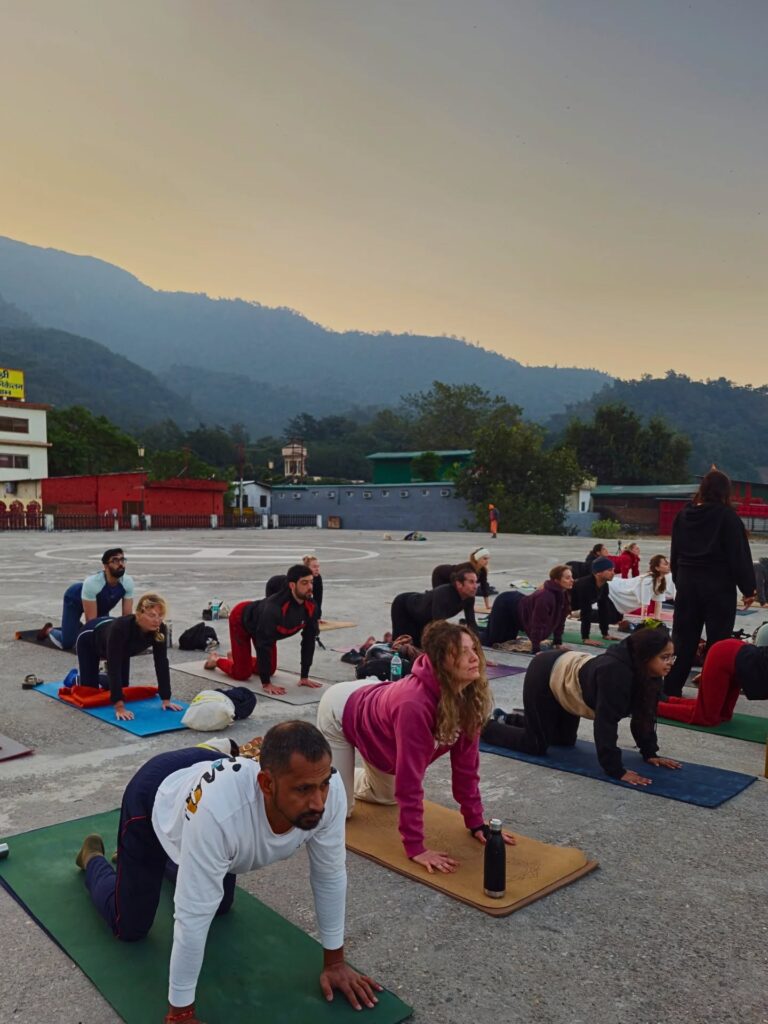
Tips: The practice of yoga decreases chemotherapy-induced nausea, vomiting, anxiety, and depression while promoting overall mental and spiritual well-being
Yogic Management and a Structured Routine
In general, small, daily positive habits make yogic management more effective. Here is a practical routine for better health:
Daily Schedule: Before Breakfast, Morning
Get up early in the morning, before sunrise, so as to begin in phase with nature’s rhythms.
- Jala Neti – Nasal rinse to clear sinuses.
- Kapalabhati/Bhastrika Pranayama – Energising breathing technique cleans the lungs and stimulates metabolism.
- Surya Namaskar – The Sun Salutation (6–12 rounds) for stretching, toning, and energising the entire body.
- Asanas – A combination of standing and twisting positions, along with seated ones, refreshes the system by both giving flexibility when needed and increasing strength, especially after long periods of walking or physical activity.
- Eating Mindfully –Take regularly a light, well-balanced, mainly satvic diet.
- A short break for mindful breathing – 3–5 minutes, refresh for 10 minutes.
Evening
- Pranayama – Calm breathing (Anulom Vilom or Nadi Shodhana) for 10–15 minutes will balance the nervous system.
- Meditation / Dhyana – 15–20 minutes to improve mental clarity and emotional balance.
- Some Gentle Stretches and Restorative Postures: Forward bends or long twists to release tension.
Night
- Shavasana – Deep relaxation for 5–10 minutes before sleep.
- Go to bed early – align with your body’s natural twenty-four-hour cycle for optimal recovery.
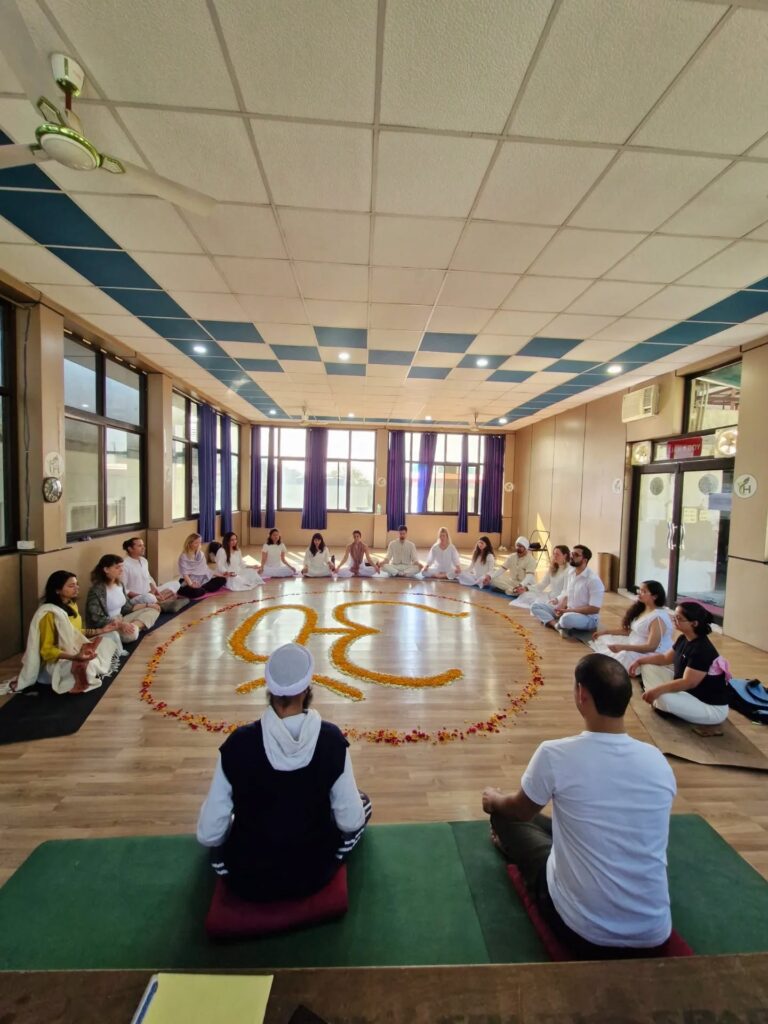
The important thing is to be consistent. Even thirty to forty-five minutes a day can result in markedly improved general health.
Conclusion
Yogic Management is a comprehensive and experience-based health care system. By addressing the body’s physical, mental, and emotional aspects, it not only prevents various diseases but also helps people maintain good health, both in their bodies and minds.
The flexibility and affordability of Yogic Management are reflected in the fact that everyone can practice it, whether for half an hour or an hour each day, at home or in a group setting, to help with stress release or chronic disease management whenever we need intervention in our physical well-being or mental health.
Yogic Management is a legacy of ideas from ancient Indian civilisation. While today’s world offers fast fixes for any sickness imaginable, Yogic Management reminds us that the most effective resource might lie within our own body and mind to cure illness and regain health. As part of everyday life, integrating yoga is not just a form of therapy — it is the way to healthy, whole-body healing, inner peace, and living in calmness.