








Ganga Aarti in Rishikesh: A Gentle Guide to the Sacred Evening Ritual by the River
Table of Contents
- What Legendary Story Explains How the Ganga Came to Earth?
- Why Is Ganga Jal Considered a Purifier in Homes and Temples?
- What to Expect During Ganga Aarti
- When Does the Ganga Aarti Become Extra Special?
- Where to Attend Ganga Aarti
- Tips for Enjoying the Ganga Aarti
- Other Experiences Near the Ganga Aarti
- Conclusion
- Frequently Asked Questions
Have you ever felt a moment that quiets your mind even before you understand why? The air feels different, your breath slows, something within you softens. That’s the feeling most visitors describe when they witness Ganga Aarti in Rishikesh for the first time. As the sun sets over the river, lamps are lit, conches are blown, and the priests’ chants float across the water. In this guide, we’ll meet Ganga Aarti gently — what it means, what to expect at the ghats, and how to attend with quiet respect.
The Ganga Aarti is an evening ritual performed along the River Ganga, where light, sound, and devotion come together in perfect balance. In this guide, you will discover everything about the Ganga Aarti, the story behind the river, and many more amazing insights to make your visit truly memorable.
What Legendary Story Explains How the Ganga Came to Earth?
The Story of how the Ganga came to earth is one of India’s cherished legends, filled with divine magic. The centre of this story is King Bhagirath, a devoted ruler whose love for his ancestors inspired him to bring the Ganga River down from the Heavens. Bhagirath’s ancestor had been cursed, and their souls were unable to attain moksha. To free his ancestors, Bhagirath devoted years of prayer with a pure heart.
Impressed by Bhagirath’s devotion,Lord Brahma, the creator of the gods, advised him to seek the help of Goddess Ganga, who flowed in the Heavens. But bringing the Ganga down to earth was not an easy task because her waters were so powerful that she could flood the entire world.
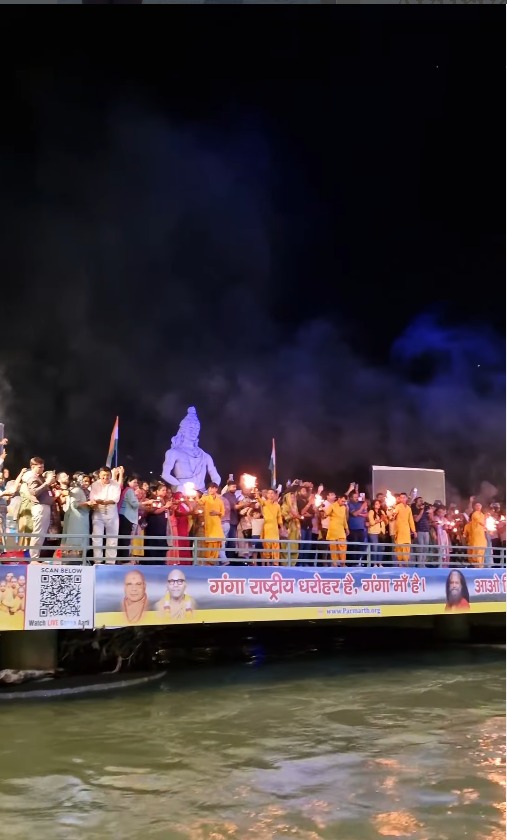
Bhagirath then appealed to Lord Shiva, the god known for his power over the forces of nature. Shiva agreed to help, and as the Ganga poured down, he caught her in his tangled hair and gently released her in small streams so she could flow safely across the Earth without causing any damage.
The river reached down by purifying the land and granted peace to the souls of all Bhagirath’s ancestors. From that moment, Bhagirathi became a symbol of devotion. To honour King Bhagirath, the Ganga River is also called “Bhagirathi” in tribute to his dedication. From that moment, Bhagirathi became a symbol of devotion.
Why Is Ganga Jal Considered a Purifier in Homes and Temples?
Today, the Ganga remains a lifeline, as its water is used as a purifier in ceremonies. It is sprinkled in homes during pujas and temples. In Hindu death ceremonies, Ganga Jal is poured over the dead person as a sign of purity, and the ashes are released into the river, with the belief that this helps the soul find peace and attain moksha from the cycle of rebirth.
For travellers, yoga practitioners and spiritual seekers, the Ganga symbolises inspiration and inner reflection. Whether through meditation by its banks, through rituals, or simply by watching its serene flow, the river encourages gratitude and a deep sense of connection between the past and the present.
What to Expect During Ganga Aarti
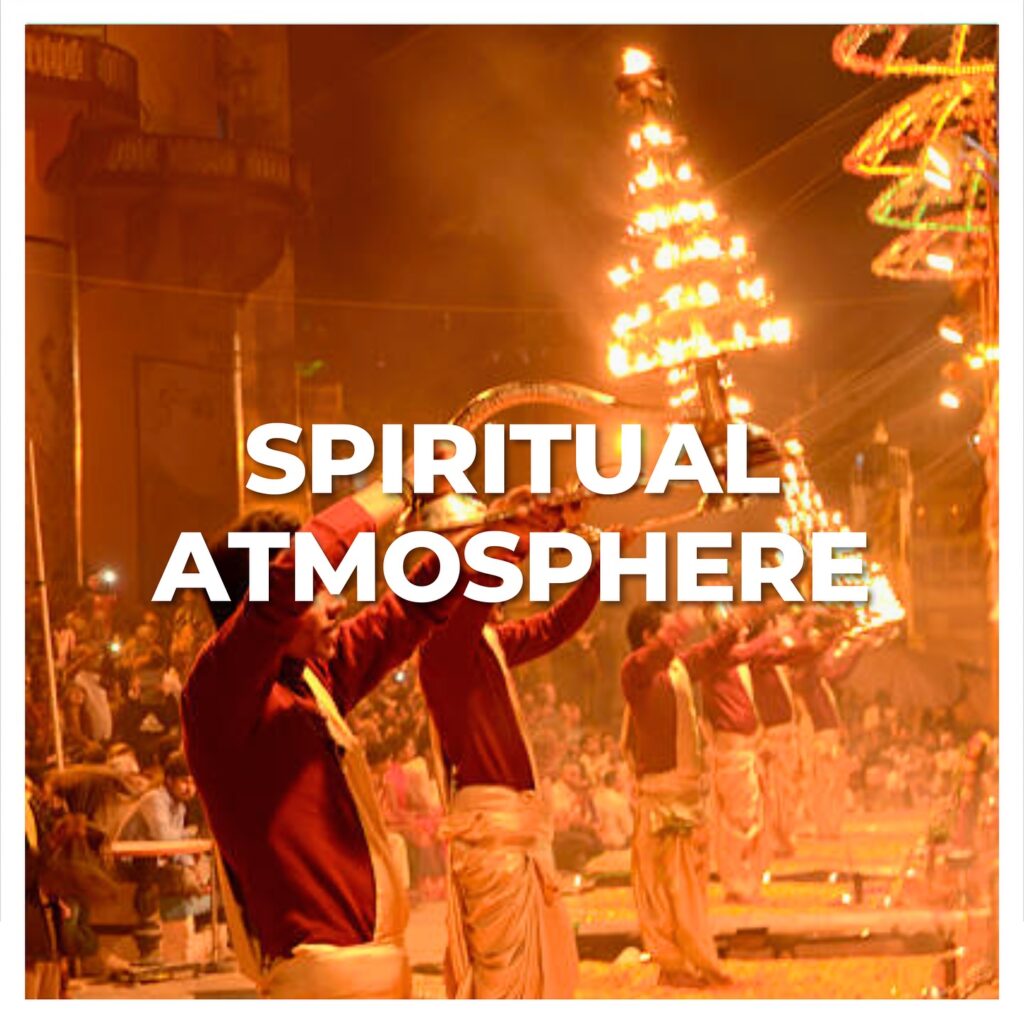
Attending the Ganga Aarti is a truly sensory experience. Here’s what you will see and feel:
- Chants and Mantras
- Fire Lamps (Diyas)
- Floating Lamps
- Crowd Energy
- Calming Atmosphere
When Does the Ganga Aarti Become Extra Special?
The Ganga Aarti gets more spectacular at different times in the year, like during important festivals:
- Makar Sankranti (January)
A number of people take a dip in the Ganges at dawn, believing it brings purification and new beginnings. The evening aarti that follows feels especially powerful and devotional.
- Diwali (October–November)
The river is lit up with thousands of floating lamps, which not only make an amazing sight but also create reflections that feel truly magical.
- International Yoga Day (June 21)
On this day, in places like Parmarth Niketan in Rishikesh, the aarti may be accompanied by special prayers, group chanting, or meditation sessions that draw yoga practitioners from around the world.
During these festivals, the number of travellers can reach 3,000+, making your experience more lively.
Where to Attend Ganga Aarti
The city of Rishikesh has two of the most popular spots:
1.Triveni Ghat: It’s the oldest and most popular Aarti ghat. It provides a classic experience and can accommodate 500 to 700 visitors at a time. Small shops selling diyas, flowers, and incense are also available here at the Triveni Ghat.
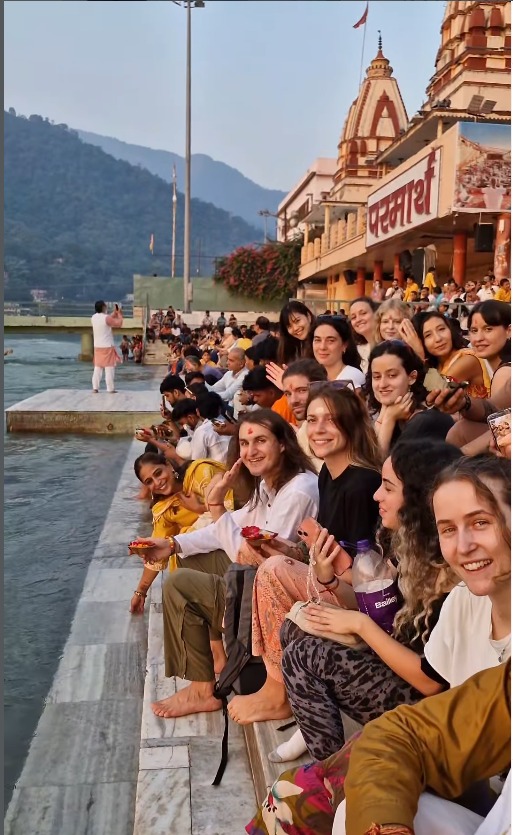
2. Parmarth Niketan Ashram: This ashram is famous for its highly organised aarti and attracts nearly 1000+ tourists in the evening. At the ashram, they combine the arti with satsang or chant sessions, perfect for people practising yoga and meditation.
Other, smaller ghats along the river also have aarti ceremonies, but Triveni Ghat and Parmarth Niketan are the most tourist-friendly.
Tips for Enjoying the Ganga Aarti
- Wear comfortable clothes.
- Arrive before the aarti begins because the best places fill up very early, especially at Triveni Ghat.
- Photography is allowed here, but do not disturb the priests or participants.
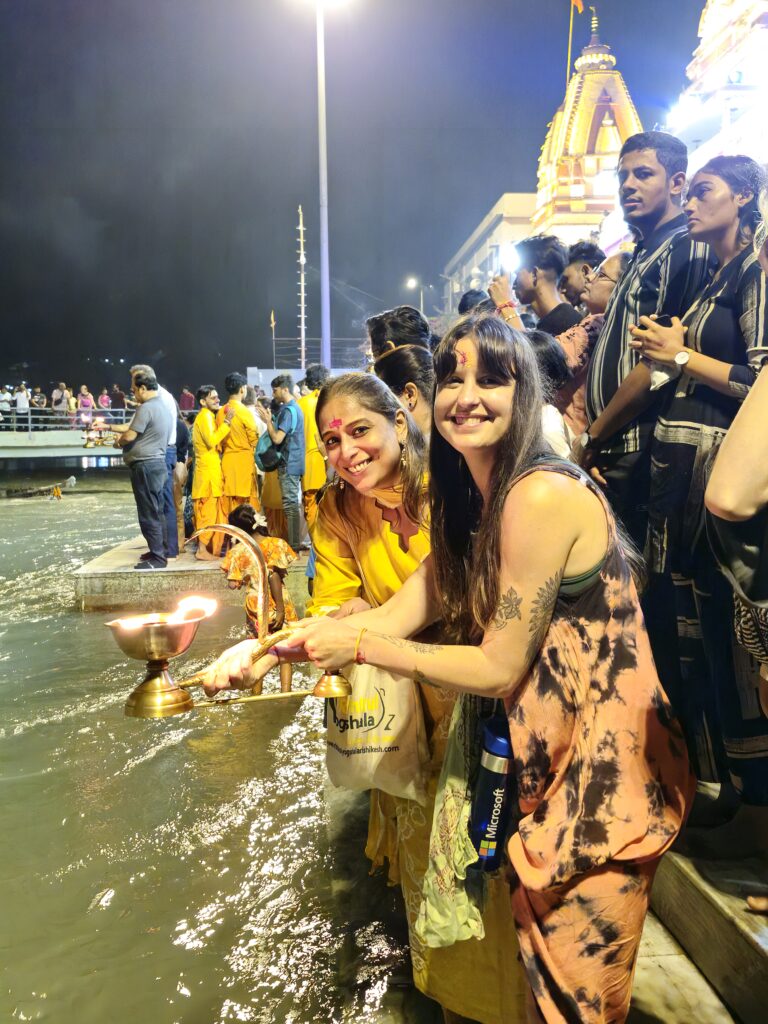
- Diyas or flowers can be offered.
- Yoga students can use the serene atmosphere for post-aarti pranayama practice.
Other Experiences Near the Ganga Aarti
- After attending the Ganga Aarti, you can visit temples such as Neelkanth Mahadev Temple to deepen your spiritual experience and connect with the divine on a personal level.
- Rishikesh has many restaurants with amazing views, perfect for relaxing.
- Look for programmes, including music concerts and kirtans, conducted at ashrams or ghats.
- Other than visiting ashrams, explore Patna Waterfall and Kunjapuri Temple, or simply take a walk along the riverbank to enjoy the peaceful surroundings.
- Visit stores, Tibetan markets, and jewellery shops to pick up prayer beads or handcrafted gifts to remember your visit.
Read More: Bhootnath Temple Rishikesh: History, Spiritual Significance & Visitor Guide
Conclusion
The Ganga Aarti asks for just one thing – your presence, an open heart, and a willingness to pause. As you stand by the river, watching the lamp glow and listening to the rhythmic chants, you are invited to release what drains your energy and reconnect with yourself in this place, just as students do at Rishikul Yogshala Rishikesh.
Frequently Asked Questions
Q1: Are participants required to pay in order to attend Ganga Aarti?
Ans: Yes, for the most part, attending the aarti is free. However, some ashrams might accept donations since it is a sacred festival, which allows them to continue hosting events like these every year.
Q2: When’s the best time to visit Rishikesh and watch the Aarti?
Ans: It is best to arrive early, from 6:00 PM to 7:30 PM, before the crowd comes and things get chaotic. The early period will make your experience unforgettable.
Q3: Can tourists join in the rituals?
Ans: Yes, as long as you act in a respectful manner. At the same time, following the advice of the priests, you can light a lamp or offer flowers.
Q4: How long does Ganga Aarti last?
Ans: Annually, it lasts around 45 minutes to 1 hour, depending on the ghat and crowd.
Q5: How many people come to see it daily?
Ans: The ceremony is witnessed by between 500 and 1000 visitors on average each day.

 +91-8433225327,
 Rishikul Yogshala Rishikesh, Narayan Kunj, Jonk Village, Ram Jhula, Swarg Ashram, Rishikesh, Uttarakhand 249304
 By Airway
 By Railway
 By Bus/Cabs