








The Ashtanga Primary Series: A Gentle Guide to Yoga Chikitsa, the Therapy Series
Table of Contents
- History and Origin of Ashtanga Yoga
- What is the Ashtanga Primary Series
- Step‑by‑Step Breakdown of the Ashtanga Primary Series
- 1. Opening: Invocation and Sun Salutations
- 2. Standing Sequence
- 3. Seated Sequence
- 4. Finishing Sequence
- 5. Closing: Mantra and Savasana
- Tristana: The Three Places of Attention in Ashtanga Yoga
- Benefits of the Ashtanga Primary Series
- Ashtanga Primary Series vs Other Yoga Styles
- Common Injuries in the Ashtanga Primary Series
- How to Progress in the Ashtanga Primary Series
- Conclusion
- Frequently Asked Questions
The Ashtanga Primary Series is unlike anything else in yoga. It’s a fixed, prescribed sequence of asanas — always the same, always in the same order — practised in the same way by students from beginner to advanced. Pattabhi Jois called it Yoga Chikitsa, ‘Yoga Therapy’, because the series is designed to heal the body through repeated, deepening practice. In this guide, we’ll meet the Primary Series with care, walk through its structure, and be honest about what it asks of the body.
In this guide, we will cover the history, benefits of this series, and its various sequences with practical tips to deepen your practice.
History and Origin of Ashtanga Yoga
Ashtanga yoga is also called the eight-limbed yoga and has a history that goes back thousands of years. Its origins can be traced to the ancient Indian sage Patanjali, who wrote the Yoga Sutras [a collection of philosophical and practical teachings of yoga]. This style of yoga follows the rules of the yoga sutras and guides you on a path toward spiritual growth and inner enlightenment.
In the 20th century, Ashtanga yoga gained recognition through the teachings and efforts of Sri K. Pattabhi Jois, a famous yoga teacher from India. He was a devoted student of Tirumalai Krishnamacharya, who is often referred to as the ‘Father of Modern yoga.
Under the guidance of Krishnamacharya, Jois studied yoga deeply, both the primary postures and the philosophical teaching behind them. After years of dedicated practice, Jois created his own method, which followed a specific sequence of postures carefully linked with breathing and is the signature style of Ashtanga yoga today.
What is the Ashtanga Primary Series
The Ashtanga primary series is also called yoga therapy, which is the first sequence in the traditional Ashtanga yoga practice. It is designed to naturally strengthen your body, improve flexibility, and promote overall health. This series includes 75 poses that usually take around 1 hour and 30 minutes to complete at your comfortable pace. The practice starts with Surya Namaskar, which is followed by standing posture, seated pose,s and finishing sequences. The series is also viewed as one of the heating yoga practices. So practitioners with high blood pressure or other health considerations are recommended to maintain a speed that feels safe for their bodies.
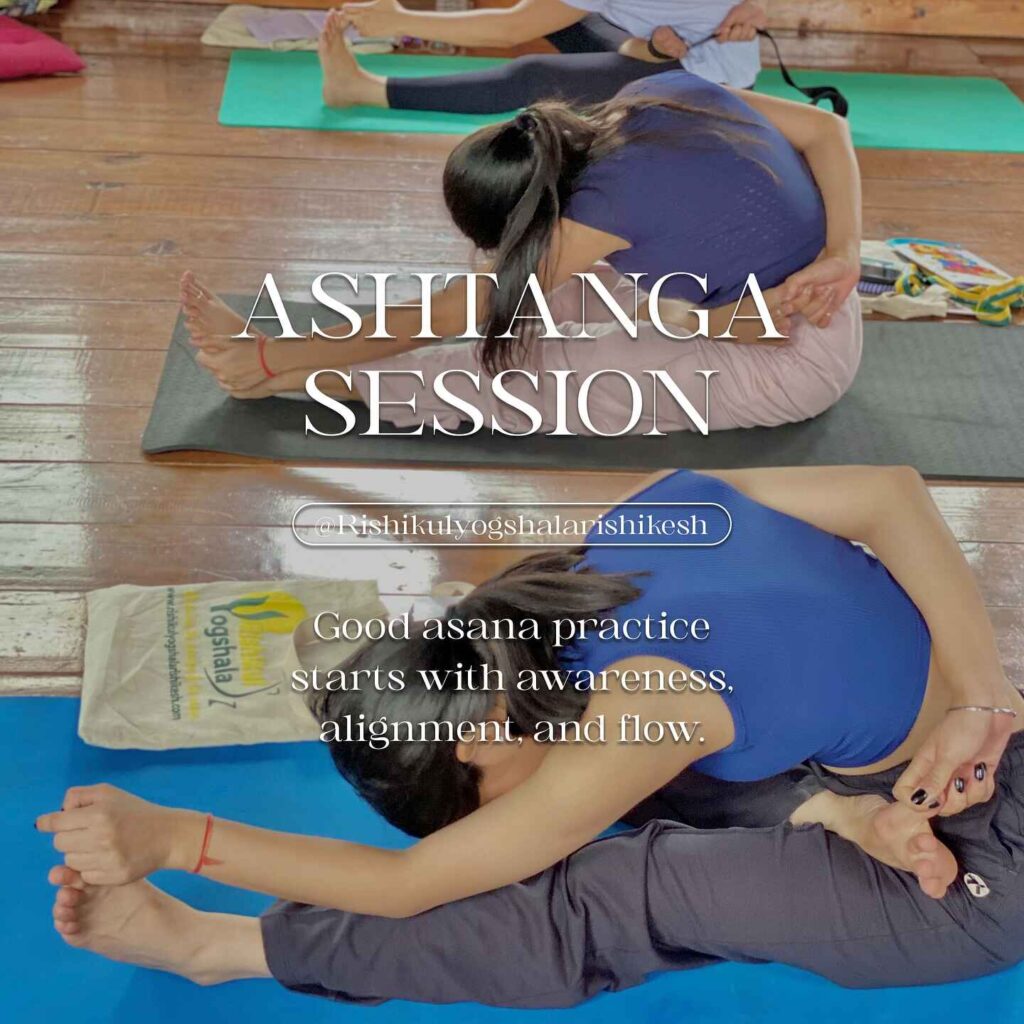
Step‑by‑Step Breakdown of the Ashtanga Primary Series
1. Opening: Invocation and Sun Salutations
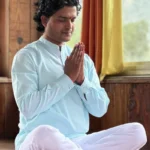
- Opening Mantra: If you are starting the Ashtanga series at home or in a class, you can begin by taking a few minutes to focus on your body and mind. You can also quietly chant a simple mantra like ‘om shanti om’ to bring calm and a sense of connection to your session.
- Sun Salutation (Surya Namaskar): This warm‑up sequence is performed five times. It links movement and breath, generating heat in the body and preparing muscles, joints, and breath for deeper work.
2. Standing Sequence
The standing poses improve your balance, strength, and flexibility. They also help set a smooth pace and breathing pattern that you carry throughout the entire practice.
The Usual Standing Poses, Practised in Sequence, are:
- Padangusthasana (Hand‑to‑Big‑Toe Pose)
- Utthita Trikonasana (Extended Triangle Pose)
- Parivrtta Parsvakonasana (Revolved Side Angle)
- Prasarita Padottanasana (Wide‑Legged Forward Bends)
- Ardha Baddha Padmottanasana (Half Bound Forward Fold)
These postures help strengthen your legs, improve hip flexibility, and support good posture. They also prepare your body for the deeper seated poses. Many yogis enroll in a 200 hour yoga teacher training in Rishikesh to master these sequences under expert guidance.
3. Seated Sequence
After finishing the standing poses, the practice moves into the seated series, which is the heart of the Ashtanga yoga. These postures focus on hip openers, twists, and forward bends that enhance your flexibility.
Some Key Seated Poses Include:
- Dandasana (Staff Pose)
- Paschimottanasana (Seated Forward Fold)
- Purvottanasana (Upward Plank Pose)
- Ardha Baddha Paschimottanasana (Half Bound Forward Fold)
- Janu Sirsasana A–C (Head‑to‑Knee Bends)
- Marichyasana A–D (Seated Twists)
and several more progressive stretches that deepen flexibility in the hamstrings, hips, and spine.
Each of these poses is linked with a vinyasa transition before moving to the next, which builds internal heat and integrates breath with movement.
4. Finishing Sequence
The finishing sequence brings the body into balancing, inversions, and calming poses. It helps calm the nervous system and integrate the effects of earlier practice.
Finishing Postures Include:
- Halasana (Plough pose)
- Urdhva Padmasana (Upward Lotus in Shoulderstand)
- Matsyasana (Fish Pose)
- Uttana Padasana (Extended Leg Pose)
- Sirsasana (Headstand)
5. Closing: Mantra and Savasana
The Practice comes to an end with a closing mantra that gently invites you to feel gratitude and calm. It’s usually followed by savasana, during which the body relaxes, and the practice’s benefits are absorbed.
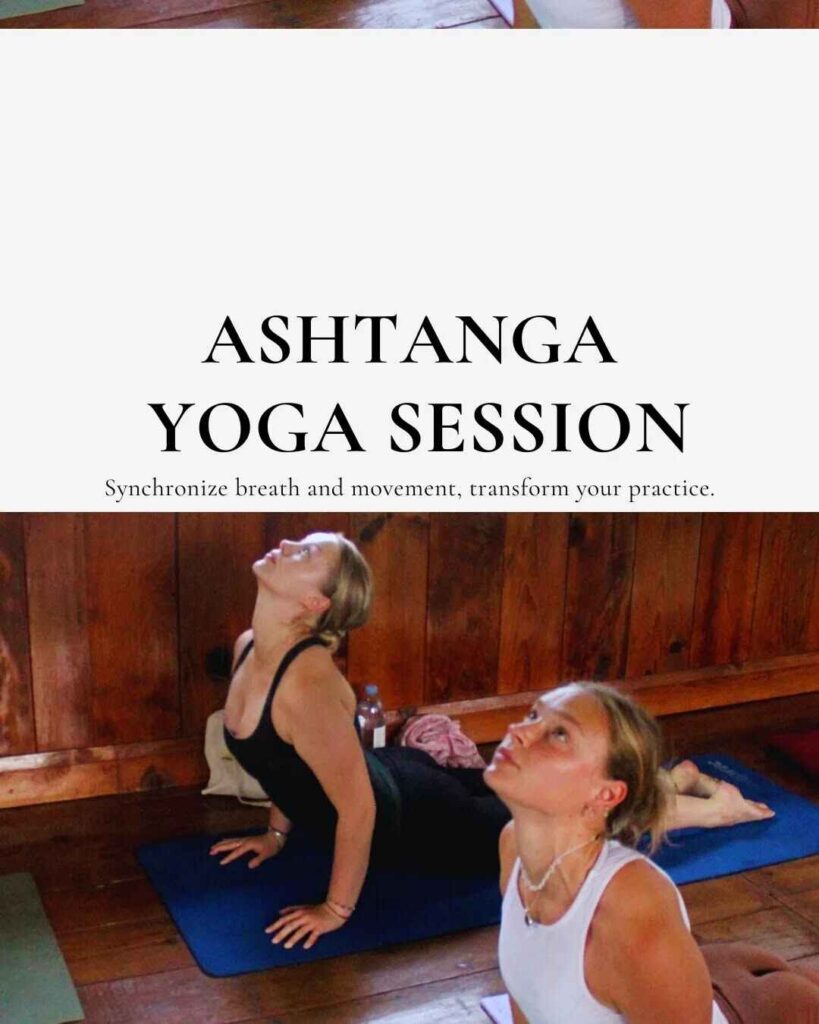
Tristana: The Three Places of Attention in Ashtanga Yoga
In Ashtanga Vinyasa Yoga, Tristana means three places of attention or action. This is a basic principle of the practice that helps bring together body, breath, and mind. When these three features are brought into balance with movement, your practice becomes a mindful in motion—bringing clarity and focus.
The Three Components of Tristana are:
1. Breath (Ujjayi Pranayama)
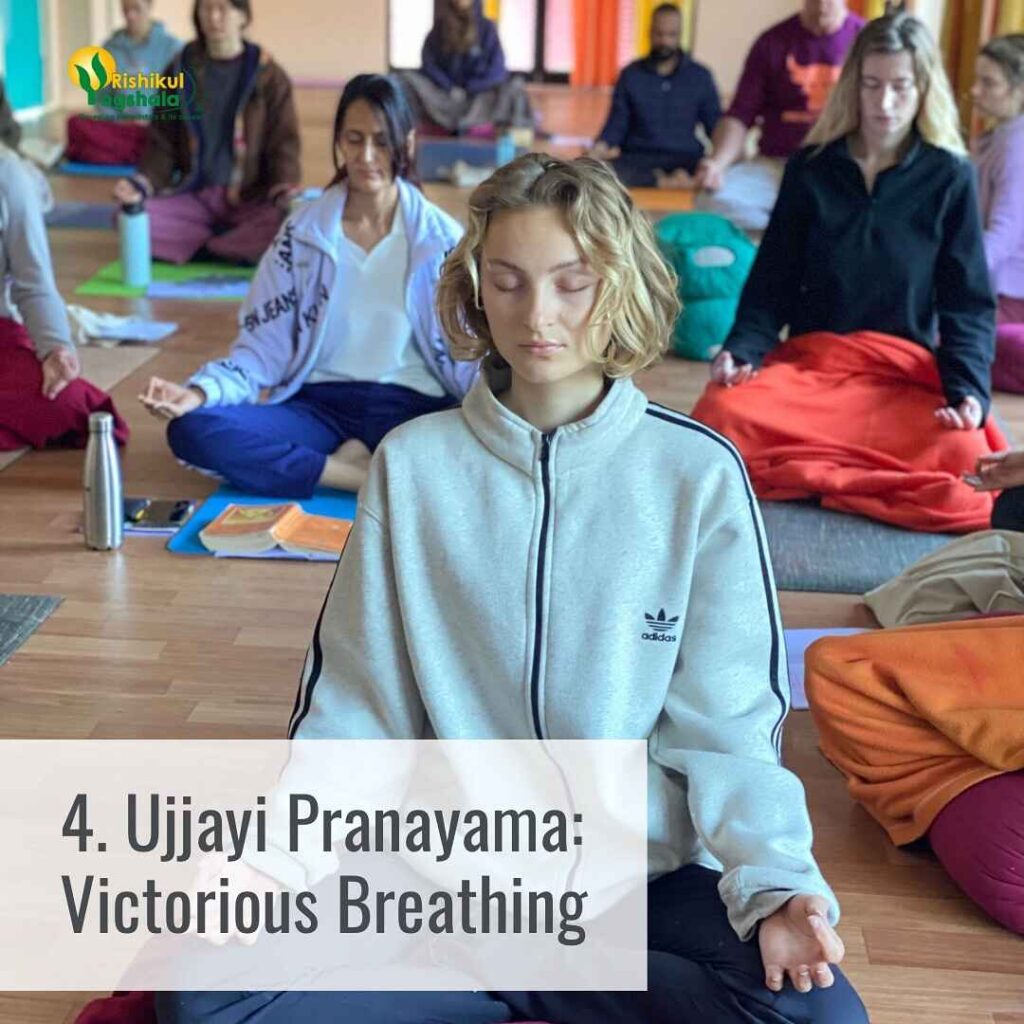
The first place of attention is the breathing system, specifically Ujjayi breath—a slow, steady breath done through the nose with a slight constriction at the back of the throat.
2. Bandhas (Energy Locks)
The second place of attention is the bandhas—the body’s energy locks that help guide prana (life force) and support the body.
3. Drishti (Gaze Point)
The third place of attention is Drishti—a specific point where the eyes rest during each posture. Each asana has a gaze point, such as the tip of the nose, the third eye, the thumb, the navel, or a point ahead in space.
Benefits of the Ashtanga Primary Series
1. Physical Benefits
- The sequences stretch your spine, hips, shoulders, and hamstrings, helping you release all the tension built up from daily activities. Gradually, this improves your flexibility and reduces the risk of injury.
- These series engage the arms, legs, core, and back muscles.
- The natural rhythmic flow of the series warms up your body, which in turn encourages better blood circulation and sweating.
- Most of the poses focus on lengthening and aligning the spine.
- When you start the ashtanga series, you will notice that your nervous system calms and mental tension fades. The flowing rhythm of your breath and movement helps bring peace and balance.
- Following the right sequence of poses, paying attention to your gaze [drishti], and coordinating movement with your breath enhances mental clarity. Most yoga students find that focus and mental clarity improve not just during practice but also in daily life.
- Practising these series can also improve decision-making and emotional regulation.
3. Energetic Benefits
- Coordinating breath with movement and using core musculature helps keep the body feeling more awake.
- Regular practice helps bring the body, mind, and emotions into balance. It not only adds strength to build stamina but also brings a sense of calm stability within oneself.
Read More: Pranayama and the Eight Kumbhakas
Ashtanga Primary Series vs Other Yoga Styles
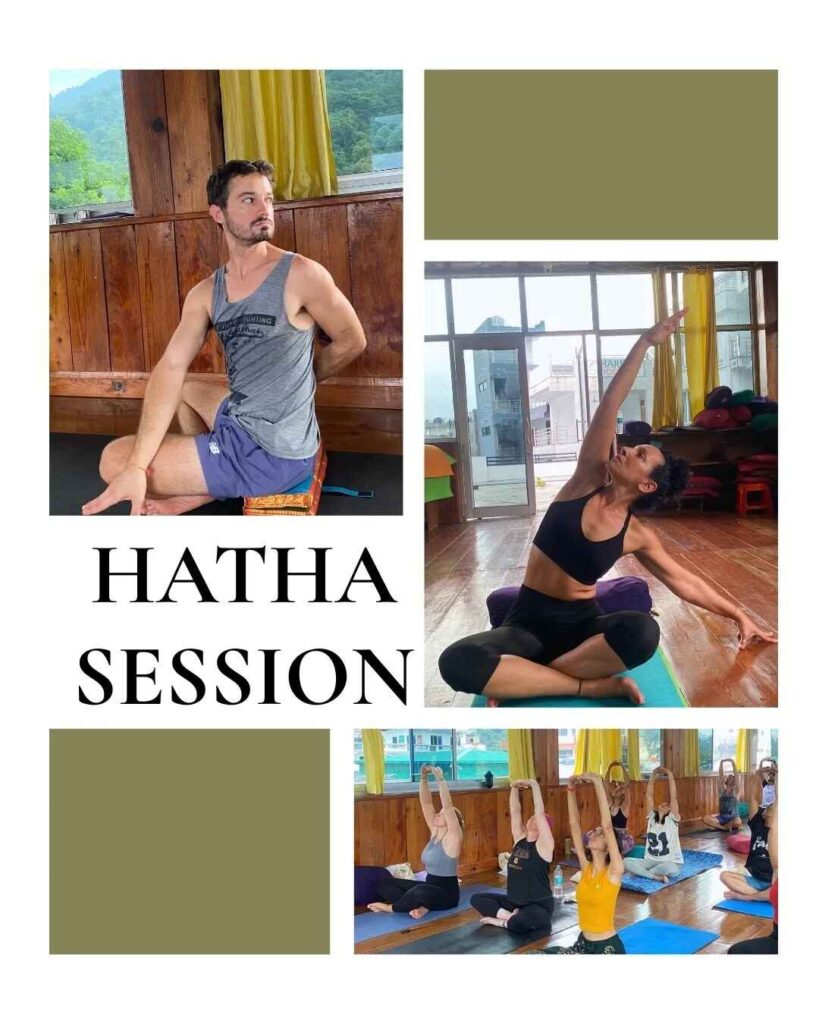
| Hatha Yoga | Vinyasa Yoga | Iyengar Yoga | Ashtanga Yoga |
| Teaches attention to detail, stability, and balance in each posture. | Flow-based sequences linking breath with continuous movement. | Includes vinyasa flow, ujjayi breath, and bandhas in every movement. | Focuses on alignment, precision, and use of props. |
| Ideal for beginners to build awareness of alignment and posture. | Less structured than Ashtanga | Ideal for practitioners who need modifications | Includes vinyasa flow, ujjayi breath and bandhas in every movement. |
| Encourages mindfulness and patience before moving into dynamic sequences. | Great for building cardiovascular endurance | Emphasis on discipline, consistency, and self-practice [mysore-style]. | Emphasis on discipline, consistency, and self-practice [mysore-style]. |
Common Injuries in the Ashtanga Primary Series
- Pressure on the wrists in practices like plank, downward dog, and arm balances can make them so sore from being strained.
- When you round your back in forward bends, twists, or balancing poses, stress is placed on the lower spine.
- Forward folds or seated poses without proper warm-up can lead to tight and strained muscles. Overstretching during demanding asanas or postures can strain them so they won’t stretch easily again for some time.
- Deep bends, lunges, or leg extensions from a seated position can stress knee joints if the alignment is off.
- Without adequate support, headstands and shoulder stands are injurious to the neck as well.
- When you push too hard or without resting for long enough between practices, your body will get sore, and you may incur joint pain.
How to Progress in the Ashtanga Primary Series
- Your progress becomes smoother when you learn to balance doing postures and breathing. So let your breath be a guiding force in the practice.
- Practising a little every day is more effective than irregular sessions. Even a dedicated 30 to 45-minute practice helps your body adapt gradually and creates long-lasting flexibility and strength.
- This ashtanga series is designed to be worked through step by step. So avoid skipping any poses or rushing ahead because each posture prepares your body for the next one.
- If you struggle in the middle of a posture, then use props such as blocks or straps to help you maintain proper form while flexibility develops. Always remember that using support is not a sign that you are weak, but it allows your body to open naturally over time.
- Focus on one posture at a time instead of aiming to complete the series. Mastery comes from a continuous effort and understanding, not from rushing through the sequence.
- Discomfort is a part of your growth, but pain is a warning. So learn to listen to your body and recognise the difference between pain and discomfort, as this helps prevent injury and builds a mindful practice.
Read More: Ashtanga Namaskara (Eight-Limbed Salutation)
Conclusion
The practice of the Ashtanga Primary Series is both empowering and deeply rewarding. Its structured and dynamic sequence helps practitioners enhance focus, build strength, and cultivate mental discipline. Regular practice offers numerous physical benefits, including improved endurance, stronger muscles, and greater joint flexibility. Many students continue their yoga journey at Rishikul Yogshala Rishikesh, where expert guidance and a supportive environment help deepen their practice.
Frequently Asked Questions
Q1: Can beginners practice the Ashtanga primary series?
Ans: Yes, absolutely. If you are a beginner, you can start this series using props or modified poses.
Q2: How much time does it take to complete the series?
Ans: On average, the full sequence takes at least 90 to 120 minutes, depending on your experience.
Q3: Is it possible to practice at home?
Ans: Yes, practicing the series at home is safe if you focus on your breathing, alignment, and mindful movement.
Q4: How frequently should I practise?
Ans: Preferably practice at least 5 to 6 days a week. You can leave one day for rest or do a lighter practice.
Q5: Can I mix Ashtanga with other exercises?
Ans: Yes, Ashtanga goes well with cardio, strength training, or other yoga styles. Just remember to allow your body to rest and recover.

 +91-8433225327,
 Rishikul Yogshala Rishikesh, Narayan Kunj, Jonk Village, Ram Jhula, Swarg Ashram, Rishikesh, Uttarakhand 249304
 By Airway
 By Railway
 By Bus/Cabs