







A lot of people assume yoga is simply about stretching and bending, but it’s so much more than that. Yoga is a holistic approach to healing your body, mind, and soul. One of its most important health benefits is detoxing the body, which naturally calms the mind and builds your vital energy, or ojas, in Ayurveda, the key to feeling healthy, energetic, and full of life.
To support this, traditional yoga teaches the Shat Kriyas (or Shatkarma), which involve the six cleansing practices designed to purify the body, improve digestion, enhance breathing, and soothe the mind. Simple yet profoundly effective, these practices form the foundation of classical yoga, guiding you toward long-lasting wellness and vitality at every level.
“Shat” means “six”, and “Kriya” means “action”; thus, “Shat Kriya” literally translates to “six actions”. The purpose of these actions is to flush out toxins from different parts of the body, such as the digestive, respiratory, and nervous systems. Regular practice of these techniques can help improve health, enhance energy levels, and prepare the mind for practising deeper yoga practices such as meditation and pranayama. Today, we will give an easy-to-understand explanation of each of these six kriyas and explain how they can be useful in your daily life.

What is Shatkarma or Shat Kriya?
The six Shat Kriyas, also known as Shatkarma, are a series of ancient yogic purification practices practised for centuries to help cleanse you from the inside out. The ultimate purpose of these practices is to purify and stimulate the internal organs, allowing energy to flow smoothly through the body.
Historically performed before yoga asanas or meditation, Shat Kriya will improve the body and mind to their most efficient functioning. A clear body and a balanced mind help you breathe easier, concentrate more deeply, and derive all the benefits from your yoga practice.
Shat Kriya is also popularly known as Shatkarma kriya; the two words refer to the same six purification techniques. These techniques are the basis of Shatkarma Yoga, which is primarily designed for cleansing and preparing the body. Integrate Shat Kriya into your practice to feel lighter, healthier, and clearer, making the path of yoga more meaningful.
Why is Shatkarma (Shat Kriya) Important?
The Shat Kriyas are an effective method for cleansing the body, mind, and energy system, providing a foundation for good health. Shat Kriya is the perfect way to prepare both mentally and physically to gain the full benefits of Yoga and Meditation through regular practice. Below, we have mentioned a few main reasons that will make you understand why it matters so much:
- Detoxification: Shat Kriyas aim to remove toxins and waste products from the digestive, respiratory, and other systems. These deep washings allow your body to function more efficiently, so you don’t have to seek other healing methods, and you feel much lighter and healthier.
- Better Digestion: Shatkarma also helps cleanse the stomach and intestines, two processes that support better digestion and nutrient absorption. This is not only healthier for the mental and emotional body, but it also provides higher energy levels throughout the day.
- Improved Breathing: Several guided Shatkarmas are intended to purify the nasal passages, lungs, and airways so that breath can flow more easily. With more efficient oxygen delivery, you will feel stronger physically and experience spiritual clarity that makes the practice of Yoga possible on your life’s journey.
- Mental Clarity: Clearing out the body so the mind can be clear, calm, and focused is best. Shatkarma kriya can also be effective in reducing brain fog, improving concentration, and stabilising emotional responses.
- Energy Balance: These purifications are done to allow the free flow of prana and kundalini through the body. Shat Kriya, by clearing blockages and balancing and clearing the energy channels, makes you feel energetic, less tired, and more balanced in life.
- Preparation for Meditation: A lighter body and steady breath allow for a clear, comfortable seat and clarity of mind for meditation. Shatkarma is the foundation that helps you open up to longer, deeper, and more transformative moments in meditation, allowing you to reach a much deeper perspective on yourself.
- Overall Well-Being: Consistent practice of shatkarma yoga brings about profound changes in the quality of our health, mental well-being, happiness levels, and life force. When done under a yoga teacher’s supervision, these techniques are safe and can be tailored to beginners’ needs.
In fact, Shat Kriya is part of ancient yoga and a gift from it. It cuts away fat, purifies both the body and the mind, promotes energy balance, and is the basis for all future advanced yoga practices.
How To Do Shat Kriyas Safely
Shat Kriya practices are strong and effective, but safety is as important as getting the full benefits. To help you practise them properly, here are some tips:
- Follow Instructor’s Guidance: Expanding on the previous Note, this pose is best learnt initially in class with an instructor who can demonstrate correct methods and alignment.
- On an Empty Stomach: Do these cleansing practices in the morning or at least 3–4 hours after your last meal of the day for best results.
- Keep It Easy: Start slow and let your body adjust on its own. Allow yourself to experience pressure first before moving on to the more complex ones.
- Respect the Body: Do not feel that you have to do any moves or breaths— let your body be your guide. Be mindful of your body’s limitations, and use more intensity as you get used to the massage.
- Practice Makes Perfect: Consistency is your new best friend! Even a few minutes each day can help cleanse your body, support digestion, and ease the mind.
By following these few easy steps, you can avoid any strain or discomfort, plus you can experience all the benefits of practising shatkarma yoga. If practised with patience and under proper guidance, shatkarma yoga can become a transformative part of your yoga journey.
Types of Shatkarma or Shat Kriya
We will now explore all six kriyas in detail. By learning about these poses, you’ll appreciate why they are such essential asanas in yoga.
1. Dhauti Kriya
Dhauti Kriya is a method of cleansing the digestive system. It means to just clean the stomach and intestines to remove all the toxins and improve the digestive system. Dhauti is practiced in various forms, such as drinking warm salt water to naturally cleanse the stomach. Some of the more powerful versions require special procedures to extract impurities from deeper in the digestive tract.
Benefits of Dhauti Kriya:
- Effectively remove toxins and waste, purifying the digestive system.
- Reduces bloating, gas, and acidity.
- Enhances the digestion and augments the digestive fire.
- Prepares the body for more difficult yoga poses.
It is one of the most important kriyas since a clean stomach and intestines ensure good health. For beginners, the stretch should be under supervision to avoid any accidents.
2. Basti Kriya
Basti is a method of colon cleansing. It flushes out waste and toxins from the colon. This kriya is also very effective in regulating bowel movement, strengthening the muscles of the lower abdomen, and regulating digestive energy.
Benefits of Basti:
- The colon is cleaned, and harmful toxins are removed.
- Improves digestion and metabolism.
- Strengthens the abdominal muscles.
- Facilitates the flow of energy (Apana Vayu) throughout the body.
It is a very effective treatment for people who have digestive system problems like constipation or irregular bowel movements. Like Dhauti, it also needs to be performed under guidance to prevent any discomfort.
3. Neti Kriya
With so much bacteria and pollution, Neti is an excellent way to clean the nasal passages. It’s a method for eliminating dust, mucus, and allergens inside the nose, which one would hope is done at home. This helps enhance breathing and keep your respiratory system healthy.
Benefits of Neti:
- Relieves nasal congestion so you can breathe more freely.
- It can help relieve sinus conditions, allergies, and headaches.
- It helps cleanse the respiratory system and prepares it for pranayama.
- Improves mental clarity and focus.
Neti is usually the first kriya given to people new to this practice because it’s simple, safe, and provides instant benefits. It is a way to prevent common respiratory problems and increase overall energy.

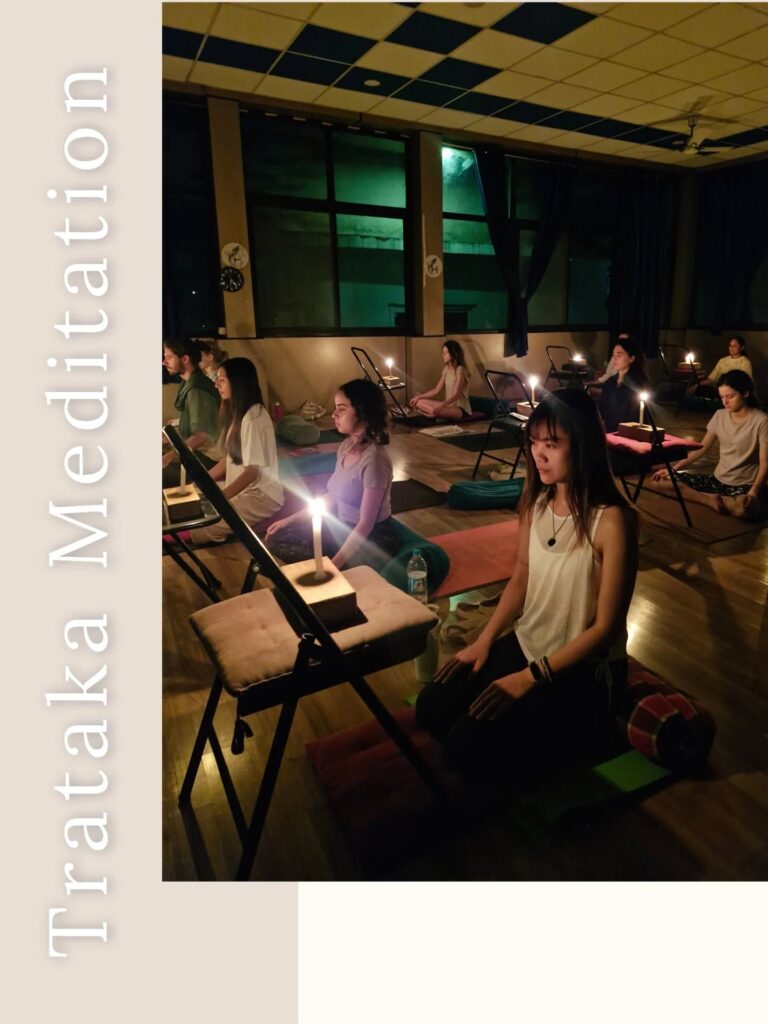
4. Trataka
Trataka is the practice of fixed gazing. It entails maintaining the gaze on one point or moving it away from that point in a rhythmic manner (such as a candle flame, image, or symbol), without blinking, for an extended period of time. The following kriyas, one for former eyesight and one to build willpower, are very good for the eyes and concentration.
Benefits of Trataka:
- It helps strengthen eye muscles and vision.
- Relaxes and focuses the mind.
- Prepares the mind for meditation.
- Reduces mental fatigue and stress.
Trataka is beneficial not only for the eyes, but it can do wonders for the mind as well. It can help you concentrate and block out nuisances as you meditate or work during the day.
5. Nauli Kriya
Nauli is the rotation of the abdominal muscles from side to side. It is an advanced pose that compresses the abdominal parts, which massages the internal organs, strengthens digestion, and fortifies the core.
Benefits of Nauli Kriya:
- Kindles the digestive fire and enhances digestion.
- Reduces bloating and abdominal discomfort.
- Strengthens the abdominal muscles.
- It is beneficial to the blood circulation, the stomach, and other internal organs.
Nauli is a bit more advanced, so beginners should practice it under the guidance of an experienced yoga teacher. Eventually, it gets easier and better.

Read More: Nauli Kriya: Steps to Perform, Benefits, and Contraindications
6. Kapalabhati
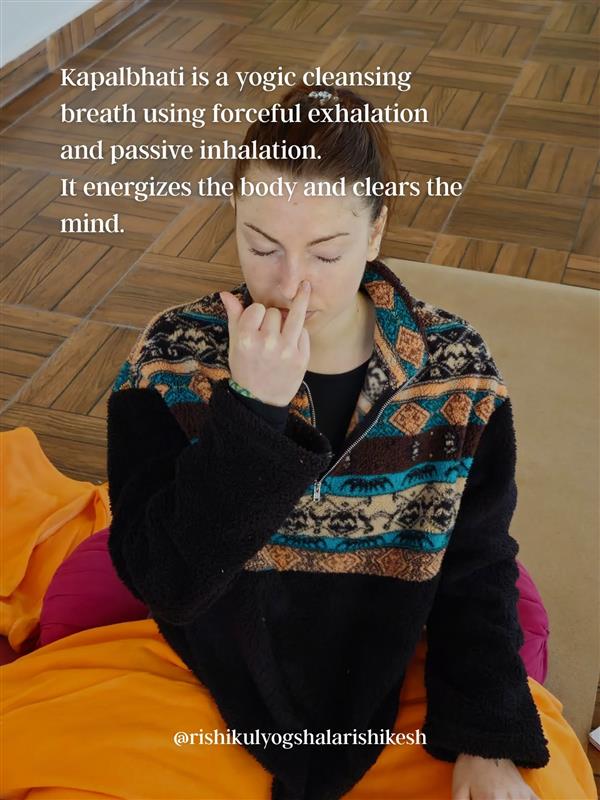
Kapalabhati is pranayama with forceful exhalation and passive inhalation. It is named the “skull shining breath”, not because the brain gets a blast of oxygen, but because it’s easier to use regularly.
Benefits of Kapalabhati:
- It purifies the lungs and the respiratory system.
- Improves mental clarity and brings back focus.
- Energy and vitality.
- Supports detoxification through increased circulation.
Kapalabhati – It stimulates the body and mind in the morning during yoga, increases alertness, and removes laziness.
Read More: How To Do Kapalbhati Pranayama And What Are Its Benefits
Benefits of Shat Kriya in the Day-to-Day Life of Practitioners
There are numerous benefits of practising six kriyas regularly; it can be transformative for the body, mind, and overall well-being. Here are the many ways Shat Kriya can enhance your daily wellness:
- Improved Digestion and Regularity: Techniques such as basti and dhauti kriya will purify the alimentary canal and help in assimilating and absorbing food. This helps prevent constipation, bloating, and acidity.
- Stronger Respiration: Pranayama and such practices as neti and kapalbhati help clear the nostrils of mucus, make the lungs stronger, and improve one’s breathing capacity.
- Better Mental Clarity with Concentration: The overall relaxation of Shat Kriya helps the mind become more sedate. It reduces stress and increases concentration, making it easier to perform without distractions, whether at work or school, or while meditating.
- Less Stress & Calm: As the body becomes cleansed and the internal energies balanced, such techniques can produce a release of tension and relaxation and help ease anxiety.
- Higher Energy Levels: Our energy level depends on how well our body is functioning; removing internal toxins and increasing circulation can make us feel more alive, active, and less lethargic during the day.
- Boosted Immune System: As you continue to cleanse your body of impurities, your body’s defences become stronger, making you less prone to common illnesses and infections.
- Balanced: Shat Kriya supports hormonal balance, which leads to healthy functioning, bringing balance to the digestive, respiratory, and nervous systems.
- Detoxify Deeply: These kriyas remove deep-seated toxins that you may not be able to eliminate through your diet and regular exercise.
- Sleep and Relax Better: A clear mind and balanced energy levels will encourage you to relax and help you get a quality hour of rest.
- Build a Strong Foundation for Advanced Poses: Deepen yoga poses and achieve difficult postures faster with a stronger foundation, benefiting a body that’s stable and strong enough to support our practice.
When practised with yoga asanas, meditation, and good breathing techniques, Shat Kriya is instrumental in establishing a balanced, healthy lifestyle – it helps not only rejuvenate you but also improve mental clarity, emotional stability, and spiritual growth.
Mistakes and Precautions Associated With Shat Kriya
Shat Kriya is a powerful series for body purification, but if it is not practised appropriately, the effects can be less beneficial or even harmful. With proper caution, you can stay safe and expect the best impact.
Common Mistakes to Avoid
- Practice After a Meal: Perform Shat Kriya on an empty stomach, ideally in the morning. Some of these exercises may be uncomfortable or nauseating to do after meals.
- Forcing the Body: Attempting advanced kriyas such as Nauli or Dhauti prematurely can cause strain to muscles and organs. Take it slow and learn piece by piece.
- Bypassing the Correct Advice: Trying these methods without supervision can lead to disasters or harm; that’s why experts suggest that beginners should practice under a teacher’s guidance.
- Breathing Improperly: A few kriyas are based on breath control. If you hold your breath for too long or use incorrect breathing techniques, you may become lightheaded.
- Avoiding Warm-Ups: Without preparing the body, going directly into kriyas can cause tension or cramping, so you need to do a few gentle stretches or some light yoga asanas to help.
Precautions to Keep in Mind
Start with simple kriyas, such as Neti or Kapalabhati, before progressing to more advanced ones.
- Pay Attention to Your Body: Cease if you experience any pain, dizziness, or discomfort.
- Keep It Clean: Use clean water and utensils during practices like Neti or Dhauti to avoid any kind of infection.
- Practice in a Tranquil Setting: While practising shatkriya, the location matters a lot; it should be quiet, clean , and comfortable, where you can concentrate.
- Consistency Over Intensity: It is better to start slow and do it often, because smaller amounts will help you to keep consistency.
By avoiding common mistakes and taking simple precautions, you’ll be able to enjoy all the benefits of shatkarma yoga without any danger. With patience and attention, Shat Kriya is an integral aspect of your yoga practice and helps build good health, energy, alertness, and mental balance.
Conclusion
Shat Kriya is a powerful set of six practices that cleanse and revitalise the body, mind, and energy. From the cleansing dhauti kriya to the energising kapalabhati, each is designed to cleanse, tone, and balance your system. Regular practice of these kriyas not only improves digestion and the respiratory system (including the condition of your liver, kidneys, lungs, etc.) and calms the mind, but also serves as a foundation for advancing in yoga.
To truly experience the profound benefits of Shat Kriya and deepen your knowledge, join Rishikul Yogshala Rishikesh and master these ancient practices from experienced teachers. Begin a journey to feel renewed, rejuvenated, and re-energised—a healthier body, clearer mind, and balanced life with Shat Kriya.
Frequently Asked Questions
Q1. What is Shat Kriya?
Ans. Shat Kriya, which is also called Shatkarma, is a set of six yogic cleansing techniques that purify the body, improve digestion, and help to calm the mind.
Q2. Who can practice Shat Kriya?
Ans. Anyone interested can practice shat kriya, but some advanced kriyas should be learnt under a teacher’s guidance.
Q3. When is the best time to practice Shat Kriya?
Ans. Early morning on an empty stomach is the best time for maximum benefits of the shatkarma kriya.
Q4. How often should I practise Shat Kriya?
Ans. Start 2–3 times a week, and with experience, it can be practiced daily for 10–20 minutes.
Q5. Is Shat Kriya or Shatkarma kriya safe?
Ans. The answer is yes, provided that it is performed correctly and gradually. Beginners should practice under supervision and avoid forcing their bodies.