








Kapalbhati Pranayama: A Gentle Guide to the Skull-Shining Breath
Table of Contents
- Kapalbhati Pranayama: A Guide to Energizing Pranayama
- What is Kapalbhati Pranayama?
- Steps To Do Kapalbhati Pranayama
- Kapalbhati Pranayama Benefits
- Precautions
- Conclusion
- FAQ On Kapalbhati
- What is Kapalbhati Pranayama?
- Who should avoid Kapalbhati Pranayama?
- Can Kapalbhati help with weight loss?
- How often should I practice Kapalbhati Pranayama?
- Is Kapalbhati Pranayama suitable for beginners?
Kapalbhati Pranayama: A Guide to Energizing Pranayama
Kapalbhati — often translated as the skull-shining breath — is one of pranayama’s most invigorating practices. It uses short, sharp exhalations from the belly, with each inhale arriving on its own. It’s energising, it’s cleansing, and it asks for a clear-headed approach to safety. In this guide, we’ll meet Kapalbhati gently, learn the steps, and be honest about who should skip it.
Practising this pranayama early in the morning fills the practitioner with immense energy for the day. It helps awaken your body and mind, creating a positive atmosphere. Additionally, starting your day with Kapalbhati Pranayama improves your focus, digestion, and overall health, making you ready to tackle any challenges that may come your way.
In this article, we will know in detail how to do Kapalbhati Pranayama and the benefits of practising Kapalbhati Pranayama regularly.
What is Kapalbhati Pranayama?
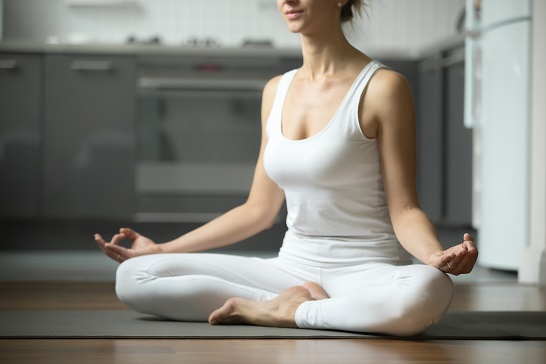
Kapalabhati Pranayama, or Skull Shining Breath, is a rapid breathing technique that involves forceful exhalation followed by natural passive inhalation. This breathing technique helps in increasing the oxygen levels in the body, which helps in purifying all the impurities from the body, calming the mind, and providing many other benefits. The name ‘Kapalbhati’ is made up of the combination of two Sanskrit words, where ”kapal”, meaning skull or forehead, and “bhati”, meaning to shine or illuminate. Regular practice of Kapalbhati pranayama not only enhances the external glow and radiance of the practitioner but also promotes brilliance and intellect.
Kapalbhati Pranayama is a powerful breathing exercise that also helps to activate the nervous system and balance the energy pathways (nadis) and energy centres (chakras) in the body. Kapalbhati Pranayama, along with other Pranayama techniques, is an integral part of the 200 HourYoga Teacher Training Course in Rishikesh offered at our well-known Yoga School in Rishikesh.
Steps To Do Kapalbhati Pranayama
Knowing how to do it correctly is essential to get the maximum benefit from any pranayama technique. Here are the steps to do it effectively:
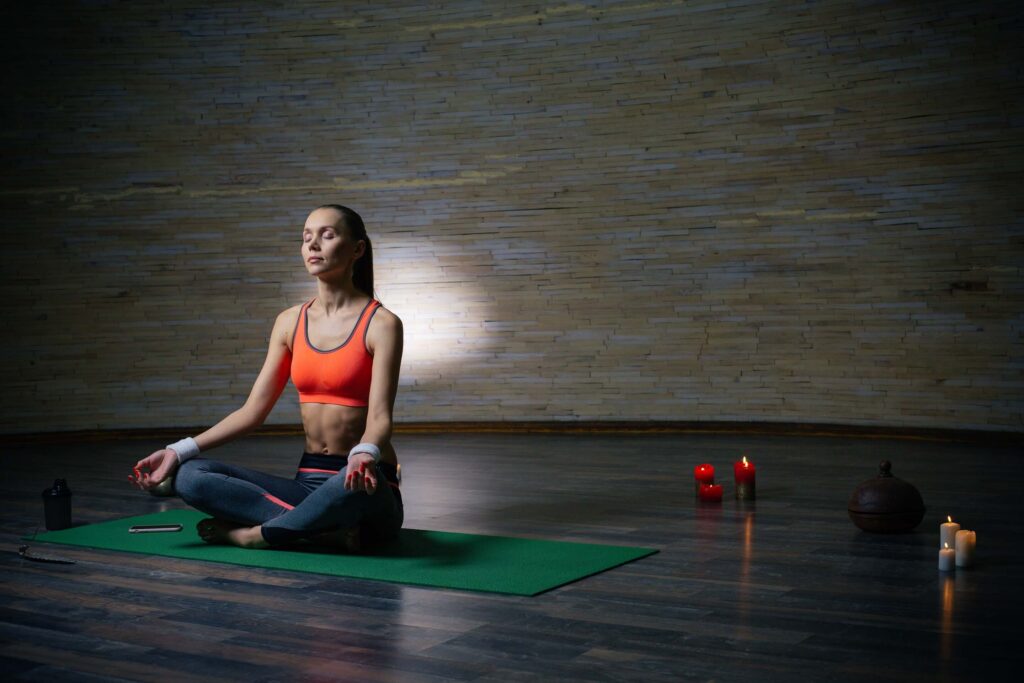
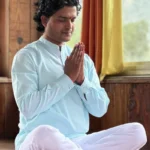
- Sit comfortably on the yoga mat or a cushion, keeping your spine straight and placing your hands on your knees with palms facing upwards.
- Close your eyes gently and take a few deep breaths to relax your body and mind.
- Begin by inhaling deeply through both the nostrils.
- Now, exhale forcefully through your nose, comfortably contracting your abdominal muscles. Follow each exhalation with a passive inhalation, allowing the breath to come in naturally without any effort.
- Continue this rhythmic pattern of forceful exhalation and passive inhalation for 10-15 rounds initially, and gradually increase the count as you become more accustomed to the practice.
- Keep your focus on the exhalation, ensuring it is strong and forceful while the inhalation is gentle and effortless.
- After completing the desired number of rounds, take a deep breath, exhale slowly, release the abdominal contraction, and return to normal breathing.
Once you have finished this one session of this, take a few moments to notice the sensation and relaxation you feel.
Also Read – The Healing Power of Bhramari Pranayama (Humming Bee)
Kapalbhati Pranayama Benefits
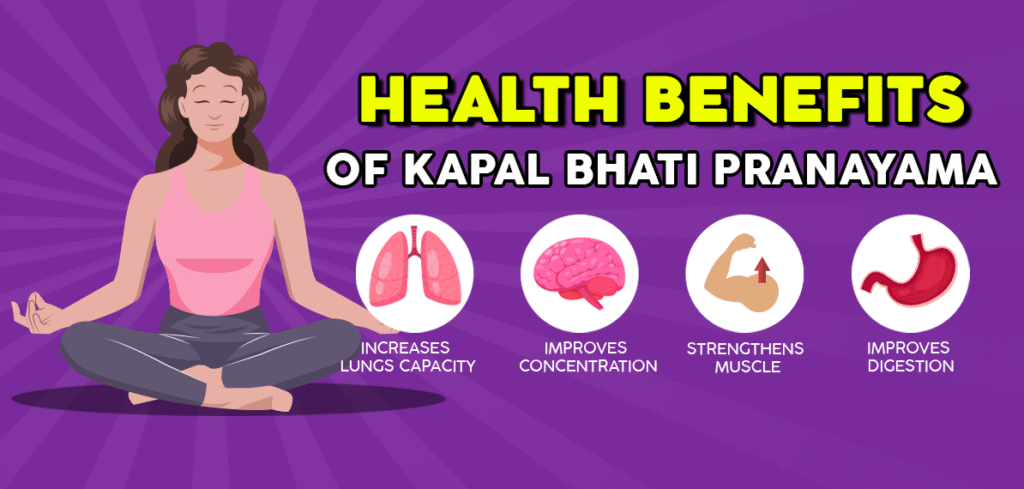
Kapalbhati provides wide-ranging benefits for both the body and mind. Cleansing the respiratory system, improving digestion, and increasing energy levels are some well-known Kapalbhati benefits. Below are the significant benefits of Kapalbhati Pranayama, which improve the overall well-being of the practitioner.
- Cleanses the Respiratory System: It helps to clear the respiratory passages, removing excess mucus and toxins from the lungs. It can reduce symptoms of respiratory diseases like asthma, bronchitis, and allergies.
- Improves Digestion: Rhythmic contraction and relaxation of the abdominal muscles stimulate the digestive organs, promoting better digestion and absorption of nutrients. It can also relieve digestive problems like indigestion, constipation, and bloating.
- Increases Energy Levels: Kapalbhati Pranayama helps increase the oxygen and its circulation in the body, strengthening the body and mind. Regular practice of the skull-shining breathing technique can reduce feelings of fatigue and lethargy.
- Enhances Mental Clarity: This pranayama technique helps calm the mind and improve focus and concentration. It can also reduce stress, anxiety, and mild depression by promoting inner peace and calm.
- Detoxifies the Body: Kapalbhati Pranayama activates the body’s natural detoxification processes that help eliminate waste products and purify the bloodstream. It revitalises cells and tissues, promoting overall health and vitality.
- Tones Abdominal Muscles: Repeated contractions of the abdominal muscles during Kapalbhati Pranayama strengthen and tone the core muscles, improving posture and stability.
- Balances the Nervous System: The conscious regulation of the breath while practising Kapalbhati Pranayama helps balance the sympathetic and parasympathetic nervous systems, which promotes equilibrium and emotional well-being.
Learning yoga, meditation, and Pranayama under the guidance of an expert instructor is preferable to reap maximum benefits from the practice. To learn all these yoga practices comprehensively, it is best to join the 200 Hour Yoga TTC in Rishikesh, the yoga capital of the world.
Precautions
- It is advisable to learn Kapalbhati Pranayama under the guidance of a qualified yoga instructor, especially if you are new to yoga or have any underlying health conditions.
- Pregnant women and individuals with high blood pressure, heart problems, or abdominal injuries should avoid practising Kapalbhati Pranayama or consult a healthcare professional before doing so.
- Always listen to your body and practise with awareness, avoiding any tension or discomfort during practice.
Read More – Cooling Pranayama Practice for Summer: Beat the Heat Naturally
Conclusion
Benefits of Kapalbhati include improved respiratory function, increased energy levels, better digestion, detoxification, and reduced stress, promoting overall mental and physical well-being. Including Kapalbhati Pranayam in your daily routine can provide many benefits to your body and mind. Regular practice of this gives its practitioner better health, energy, and inner peace. This not only gives your skull a glowing appearance from the outside, but with regular practice, it also helps improve your internal intelligence. Remember to practise with patience and consistency to reap the magical rewards of this ancient yogic practice.
Incorporating this pose into your practice can lead to significant improvements in overall well-being. For those interested in deepening their yoga journey, consider enrolling in a yoga teacher training program. Rishikul Yogshala, a leading yoga school in Rishikesh, offers comprehensive courses like the 100 Hour Yoga Teacher Training in Rishikesh, 200 Hour Yoga TTC in Rishikesh, 300 Hour Yoga Teacher Training in Rishikesh. These programmes are designed to help you master your practice and share the transformative power of yoga with others.
FAQ On Kapalbhati
What is Kapalbhati Pranayama?
Kapalbhati Pranayama is a powerful breathing technique in yoga that involves forceful exhalations and passive inhalations. It is known to detoxify the body, improve digestion, and energize the mind.
Who should avoid Kapalbhati Pranayama?
Pregnant women, people with high blood pressure, heart conditions, hernia, or severe respiratory issues should avoid practicing it without guidance from a certified yoga instructor.
Can Kapalbhati help with weight loss?
Yes, when practiced regularly, Kapalbhati can help stimulate abdominal muscles and boost metabolism, supporting natural weight management.
How often should I practice Kapalbhati Pranayama?
For beginners, daily 5–10 minutes is recommended. Over time, it can be increased to 15–20 minutes under proper supervision.
Is Kapalbhati Pranayama suitable for beginners?
Yes, but beginners should start slowly, focus on correct technique, and ideally learn from a certified yoga teacher.
This article is for general information and is not medical advice. If you have a respiratory or heart condition, are pregnant, or are unsure whether these practices suit you, please speak to your doctor before beginning.

 +91-8433225327,
 Rishikul Yogshala Rishikesh, Narayan Kunj, Jonk Village, Ram Jhula, Swarg Ashram, Rishikesh, Uttarakhand 249304
 By Airway
 By Railway
 By Bus/Cabs