






The complete practice of yoga does not just involve stretching and physical exercises; it brings your body, mind, and spirit together into a single mindful experience. One of the many techniques that we perform in our yoga routine at Rishikul Yogshala is called “Uddiyana Bandha“, or the “Upward Abdominal Lock“. A compelling technique that builds core strength, improves digestion, increases energy, and enhances concentration.
At Rishikul Yogshala, we teach Uddiyana Bandha step by step, so you can learn to use this yoga asana properly while practicing safely. This article will explain Uddiyana Bandha, its benefits, and how to do it daily.
What is Uddiyana Bandha?
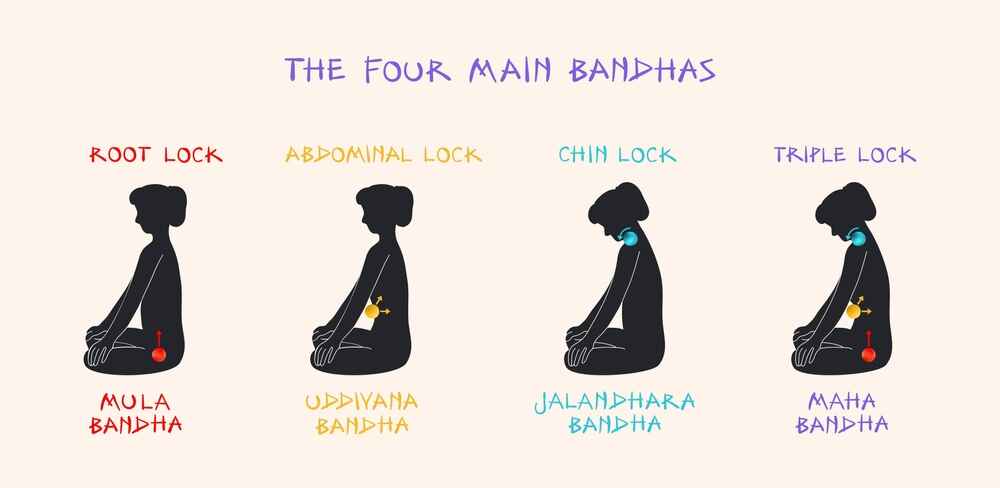
Uddiyana, in Sanskrit, means “rising upwards” or “to rise”, and Bandha means “lock”. Therefore, Uddiyana Bandha is an upward abdominal lock that can be incorporated into your yoga practice. Uddiyana Bandha is one of three types of Bandha in yoga, along with Mula Bandha (Root Lock) and Jalandhara Bandha (Chin Lock).
This section compares Uddiyana Bandha with traditional abdominal exercises. The main difference is that Uddiyana Bandha focuses on the upward movement of energy in the body. In contrast, conventional abdominal exercises primarily strengthen the abdominal muscles. Therefore, Uddiyana Bandha helps yoga practitioners increase awareness and internal strength.
This method is part of both advanced pranayama techniques and Hatha Yoga practices, helping the practitioner gain control of their life force (prana) and prepare for more profound meditation and greater concentration.
History and Importance of Bandhas in Yoga
Bandhas have been documented in many ancient yogic texts, such as the Hatha Yoga Pradipika and the Gheranda Samhita. They can be considered key to a person’s physical, mental, and spiritual health due to their significant role in energy regulation.
Uddiyana Bandha has several key benefits, including:
- Cleansing the body
- Strengthening the internal organs
- Creating an awakening of energy and enhanced concentration
Bandhas, such as Uddiyana Bandha, help direct energy through the Nadis (the body’s energy pathways), enhancing the effectiveness of both meditation and yoga practices.
Uddiyana Bandha: Steps to Perform the Upward Abdominal Lock
It is easy to learn Uddiyana Bandha when you use the proper technique. Do not force yourself; always practice when your stomach is empty. Here is how:
- Relax Your Body
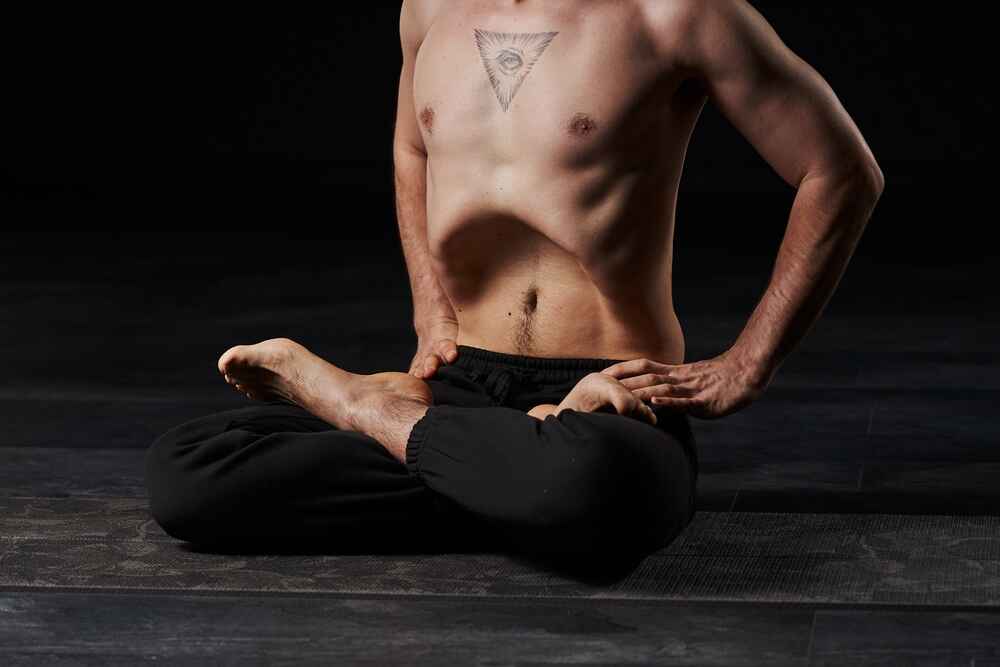
- Sit comfortably (like Padmasana) or stand with legs at a shoulder-width distance from each other.
- Keep your back straight with your shoulders relaxed.
- Exhale Completely
- Take a full breath out; your lungs should feel empty.
- Inward and Upward Motion in the Abdominal Muscles
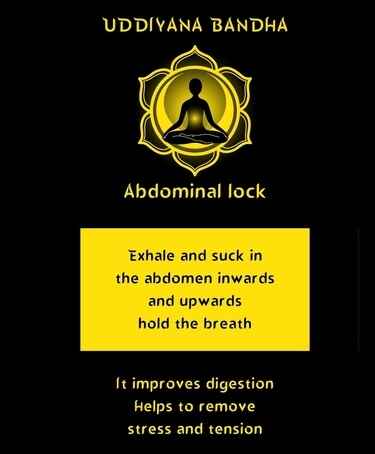
- Breathe in and draw in your abdomen toward your spine, while lifting slightly upward from beneath the rib cage.
- Picture pulling your belly to your heart.
- Hold the Lock
- For beginners, hold for 3-5 seconds; as you progress, increase it to about 10-15 seconds.
- Ensure your chest stays open and relaxed, and that your shoulders remain relaxed.
- Releasing and Breathing In
- Release the abdominal muscles slowly, then inhale.
- Repeat three to five times in the beginning.
Important Notes:
- Never practice Uddiyana Bandh after eating anything.
- Begin with a shorter duration and gradually add time.
- Practice under supervision as much as possible.
Variations of Uddiyana Bandha
Everybody can practise all variations of Uddiyana Bandha, even if they are all different:
- Seated Variation:
- It is best for beginners and while meditating.
- When sitting cross-legged, keep your spine straight and perform the abdominal lock.
- Standing Variation:
- Uddiyana Bandha is used during Surya Namaskar and is also practised as an advanced form of Pranayama.
- Stand with your feet at a distance the same as your shoulder width and exhale as much as you can while pulling your belly in toward your spine to create an upward pull toward your abdomen.
- Supine Variation:
- This variation is performed by lying down to provide gentle stimulation to the abdominal organs.
- This variation is particularly helpful for individuals new to the practice or recovering from an injury, as it eases the transition.
All of these variations will help beginners adapt to their level of experience and comfort.
Benefits of Uddiyana Bandha
Uddiyana Bandha has many benefits for the mind, body, and energy:
1. Strengthens Core Muscles
You use your abdominal, lower back, and diaphragm muscles performing this pose. These muscles provide a stronger foundation for performing complex asanas and overall improve your posture.
2. Improves Digestion
When you do this pose, you are going up with each breath, which causes gentle compression and release in your stomach and intestines, helping improve digestion, reduce bloating, and assist in eliminating toxins from the body.
3. Increases Energy Flow
Uddiyana Bandha increases the upward flow of prana (energy) throughout your body. It activates the solar plexus (Manipura chakra), which naturally boosts the energy and vitality of your body.
4. Enhances Respiratory Function
It improves your ability to perform diaphragm contractions and strengthens your lung muscles, resulting in better breathing and enhanced performance while doing pranayama.
5. Reduces Stress and Anxiety
By focusing on the abdominal area and controlling your energy levels through Uddiyana Bandha, you can calm your mind, relieve stress, and improve your focus and mental clarity with regular practice.
6. Prepares for Advanced Asana
When you practice Kapalabhati, Bhastrika, or any other advanced methods of yogic breathing (pranayama), Uddiyana Bandha can benefit the development of more advanced asanas, establish a sense of balance to body and mind, and support the practice of meditation.
Common Mistakes and Precautions
Things to avoid when doing Uddiyana Bandha:
- Full Stomach Practice: Always practice Uddiyana Bandha on an empty stomach.
- Holding Breath for Long: Start with short time frames, then slowly build up to more extended time frames.
- Wrong Posture: Keep your spine straight and shoulders relaxed.
- Health Concerns: Do not practise if you are pregnant, suffering from hernias, have any heart disease, or have high blood pressure.
When you learn to perform Uddiyana Bandha correctly, you maximise the benefits of this asana and minimise the risk of injury.
Uddiyana Bandha in Pranayama and Meditation
Uddiyana Bandha is usually practiced along with Kapalabhati and Bhastrika Pranayama, and it helps to bring energy up through the body. Uddiyana Bandha increases the overall benefits of these breathing exercises.
If we perform Uddiyana Bandha in combination with meditation techniques, we can feel our energies become plentiful and stable, which helps enable deeper focus; consequently, the practitioner may experience feelings of calmness and clarity.
Read More: What Is Hanuman Chalisa and Its Role in Modern Yoga?
Physiological and Spiritual Effects
Research has shown that practising Uddiyana Bandha has both physiological and spiritual impacts on the body and the energy system.
- Digestive System: Provides a massage for the stomach and intestines (digestive tract).
- Nervous System: Helps balance the sympathetic and parasympathetic nervous systems (major control centres for bodily functions).
- Energy Flow: Open pathways for energy to be directed upwards (energy flow).
- Mental Clarity: Increases mental clarity, focus, serenity, and concentration.
Integrating Uddiyana Bandha Into Your Daily Life
Below are a few easy steps to begin incorporating Uddiyana Bandha into your daily routine as a beginner:
- Perform Uddiyana Bandha in the morning while your stomach is empty.
- Perform 3 to 5 rounds of Uddiyana Bandha while holding for 3 to 5 seconds each time.
- Do Uddiyana Bandha with gentle stretching or with Surya Namaskar (sun salutation).
- Gradually increase the number of rounds and the duration of Uddiyana Bandha over 1 to 2 months.
Tip: You can integrate the Uddiyana Bandha with other Bandhas, Chakras, Pranayama, and core Asanas (postures) to maximise its benefits.
Scientific Perspective on Uddiyana Bandha
Uddiyana Bandha has been studied in modern research on core-strengthening exercises with elements of breath retention and shows multiple benefits to the practitioners; some of them are:
- Core Stability: Helps in providing strength to the core muscles that support your internal organs and spine.
- Organ Stimulation: Promotes better organ function by providing massage-like movements that stimulate the organs responsible for digestion.
- Nervous System Regulation: breathing control and locking the abdominal muscles, working together to regulate your central nervous system, and reducing stress (cortisol) in your body.
Although there are many areas left to explore regarding Uddiyana Bandha and its applications, many of its benefits have been documented by multiple Yoga studies conducted worldwide.
Uddiyana Bandha for Different Levels
Progressing toward Uddiyana Bandha is a gradual process, regardless of which level you may fall into:
- Beginners: 3-5 repetitions for 3-5 seconds
- Intermediate: 5-10 repetitions for 10 seconds
- Advanced: 10-15 repetitions for 15-20 seconds
Always listen to your body and progress at your own pace.
Methodology Used by Rishikul Yogashala
You can learn Uddiyana Bandha at Rishikul Yogashala to achieve its maximum output. Our experts will guide you to perform Uddiyana Bandha authentically while ensuring all safety precautions are followed:
- Guided Learning: The teacher provides students with proper guidance on the Uddiyana Bandha and helps them perform correctly.
- Integration: Students learn how Uddiyana Bandha integrates with other practices, including Pranayama (breathing), Meditation, and Asanas (postures).
- Transformation: Most students report increased core strength, energy, and mental clarity after learning Uddiyana Bandha.
Learning Uddiyana Bandha at Rishikul Yogashala helps you learn advanced yoga postures in the context of traditional yoga.
Conclusion
Uddiyana Bandha can positively affect both mental and physical health and is an effective way to practice yoga. When performed correctly, Uddiyana Bandha supports abdominal strengthening, improved digestion, and increased overall energy. Evidence is there that shows the benefits of Uddiyana Bandha for reducing stress levels, increasing mental clarity and concentration, and preparing a student for more complex yoga postures. Regularly practicing Uddiyana Bandha offers a wide range of benefits for one’s physical, emotional, and mental health.
Students at Rishikul Yogshala learn Uddiyana Bandha through one-on-one sessions with our trained teachers, which helps them understand how to safely perform it with the correct technique. All the different components of Uddiyana Bandha, including pranayama, meditation, and asanas, can be integrated and used together to achieve maximum benefit from practicing it. By practicing Uddiyana Bandha daily, a student can develop inner energy, cultivate a body-mind connection, and move toward a state of holistic health. Learning the Uddiyana Bandha in a supportive, expert environment at Rishikul Yogshala allows the student to deepen their yoga practice and discover the transformative qualities of the yoga experience itself.
Read More: Crown Chakra: Gateway to the Divine Consciousness
Frequently Asked Questions
Q1: Would it be possible to do Uddiyana Bandha without an empty stomach?
Ans: It is considered best to practice Uddiyana Bandha on an empty stomach to reduce the risk of discomfort and maximise its benefits.
Q2: When can someone just starting expect to hold Uddiyana Bandha’s lock for a specific period of time?
Ans: Start by holding Uddiyana Bandha for 3 to 5 seconds as you gain experience, then work up to holding it for a longer period as you become more comfortable.
Q3: Who can perform Uddiyana Bandha?
Ans: Avoid if you are pregnant or have heart problems or have a hernia. Otherwise, most people can practice under the supervision of a qualified instructor.
Q4: How often can I practice Uddiyana Bandha?
Ans: Daily morning practice of Uddiyana Bandha is the best. You will still benefit from practising for just five minutes a day.