







We have all been there, that uncomfortable, bloated feeling after a meal, unexpected gas, stubborn constipation, or that burning sensation of acidity that just won’t quit. These digestive issues have become incredibly common today, and honestly, it’s not surprising. Between rushed meals, high stress levels, and hours of sitting, our digestive system takes a hit every single day.
More and more people are now looking for natural ways to support digestion, and yoga for digestion is one of the safest and most effective options. In fact, research backs this up — a study published on PubMed found that adults with Irritable Bowel Syndrome (IBS) who practised yoga —including simple poses, breathing exercises, and relaxation techniques — experienced real relief from digestive discomfort, along with a noticeable improvement in their overall quality of life. That’s powerful, and the best part? You don’t need to be a yoga expert to get these benefits.
The right yoga poses gently stimulate your digestive organs, encourage better gut movement, and help your body process food more efficiently — all without any side effects. Whether you practice in the morning, after meals, or before bed, even a few minutes on the mat can make a meaningful difference to how your gut feels.
In this guide, you’ll discover the 10 best yoga poses for digestion, complete with easy step-by-step instructions so you can start practising safely at home, and actually feel the difference.
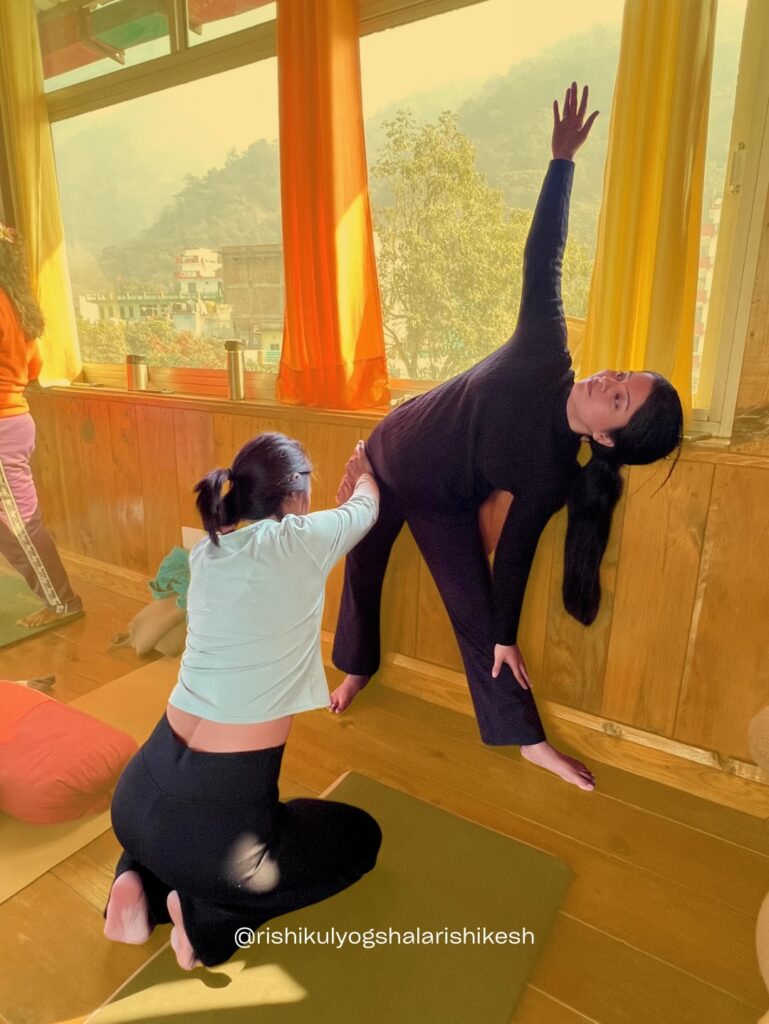
Can Yoga Boost Digestive Health Naturally?
Yoga supports the digestive system in multiple ways:
- Stimulates the parasympathetic nervous system: Known as the “rest and digest” mode, this reduces stress and improves gut function.
- Massages internal organs: Twists, bends, and core poses gently press and release the abdomen, helping food move efficiently through the digestive tract.
- Reduces bloating and constipation: Certain yoga moves for digestion encourage bowel movement and relieve trapped gas.
- Relieves stress: Stress is a major factor in poor digestive health. Yoga promotes calmness, which directly benefits gut health.
- Improves Posture and Core Strength: A strong core and proper alignment create space for the digestive organs to function better.
- Enhances Blood Circulation to the Abdomen: Many yoga poses stimulate blood flow to the digestive organs, improving nutrient absorption and metabolism.
Breathing Tips For Better Digestion
Pairing yoga for digestive health with proper breathing enhances results:
- Deep Belly Breathing: Inhale deeply into the abdomen to massage the digestive organs.
- Kapalabhati: Energising and stimulating for the abdominal region.
- Slow Exhales: Helps reduce stress and relax the digestive system.
10 Yoga Poses For Digestive Health
1. Seated Side Bend
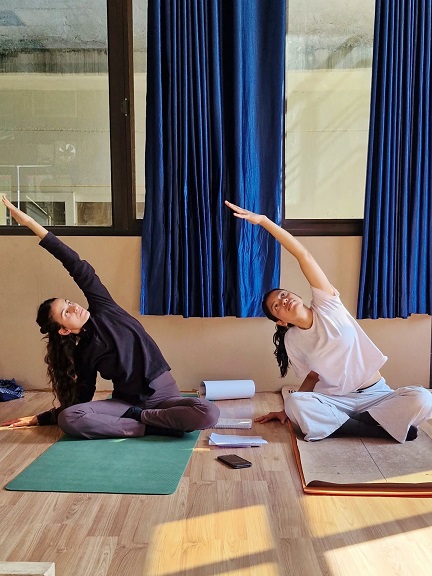
Seated Side Bend is a gentle yoga pose that gives your sides a stretch and opens up your chest. As your rib cage expands, this yoga pose gives your abdominal organs a soft massage, helping your digestive system run more smoothly.
How to Practice:
- Find a comfortable spot on the floor, sit with your legs crossed, and let your hands rest naturally at your sides.
- Take a slow breath in and lift your left arm up toward the ceiling.
- As you breathe out, gently lean your torso over to the right, keeping that left arm reaching long.
- Rest your right forearm lightly on the floor beside you for support, with your palm facing outward.
- Take a few deep, slow breaths into your sides — really feel that satisfying stretch along your ribs and belly.
- Stay here for several breaths, then come back to the centre and repeat on the other side.
Benefits:
- Gives your digestive organs a gentle, stimulating massage to keep things moving
- Opens up the chest so you can breathe in more fully and freely
- Helps ease bloating and that uncomfortable, heavy feeling that comes with sluggish digestion
Also Read: Sukhasana (Easy Pose) – Steps, Breathing, Meditation
2- Wind-Relieving Pose
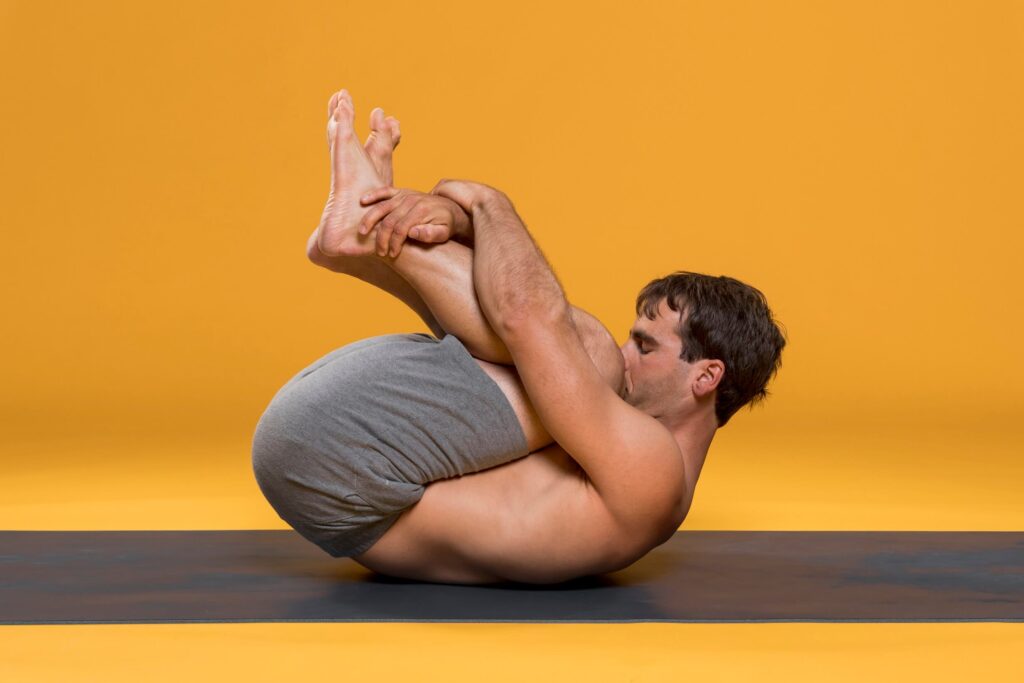
The Wind-Relieving Pose is one of the most effective yoga moves for digestion, especially for relieving trapped gas and bloating. It gently compresses the abdomen, stimulating the digestive organs and encouraging the release of excess gas.
How to Practice:
- Simply lie flat on your back, let your legs stretch out naturally, and allow your arms to rest peacefully by your sides.
- Gently bend both knees and slowly draw them in, bringing them closer to your chest.
- Wrap your arms around your knees and hold them in a warm hug.
- You can lightly rock side to side if it feels comfortable, keeping your breathing slow and relaxed.
- Then, after a few minutes, release your knees and stretch your legs back out into a comfortable, neutral position.
Benefits:
- keeps your digestion running happily
- Gently soothes that nagging, irritating discomfort that comes along with indigestion.
- relieves that uncomfortable gas and awful bloated feeling
3. Cat-Cow Pose
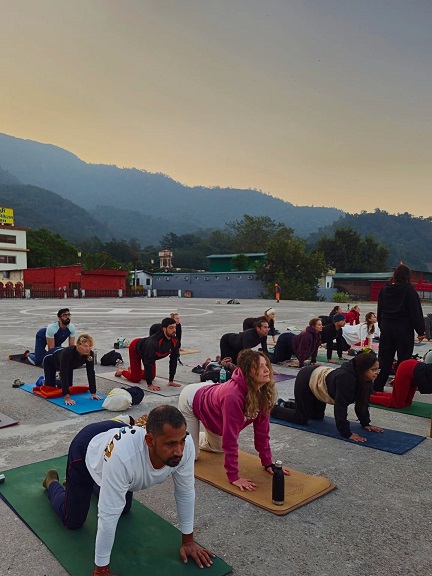
Cat-Cow Pose is a beginner-friendly yoga sequence that gently warms up your spine, gives your back a stretch, and wakes up your digestive organs. If your tummy has been feeling uncomfortable, this simple yet powerful sequence can make a real difference and is considered one of the best yoga for digestion.
How to Practice:
- Get on your hands and knees, with your wrists comfortably beneath your shoulders and your knees right under your hips — think of it like a tabletop position.
- Take a deep breath in, gently lift your tailbone up, let your back naturally dip down and look softly upward.
- Now breathe out, round your back up toward the ceiling like a cat having a big stretch and let your chin drop down.
- Keep flowing gently between these two positions a few times, letting each breath lead the way — inhale into Cow, exhale into Cat, nice and easy.
Benefits:
- Massages the abdominal organs, aiding digestion
- Improves spinal flexibility.
- Relieves constipation and bloating.
Also Read: How To Do Marjari Asana – Steps and Benefits of Cat Stretch Pose
4- Child’s Pose
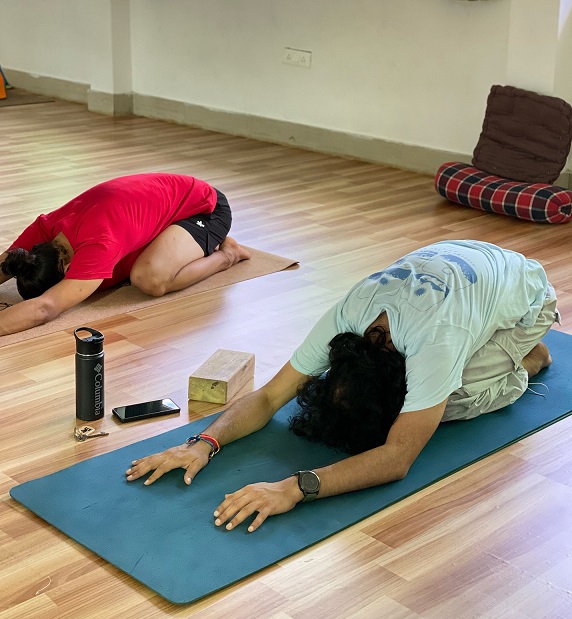
Child’s Pose is a gentle, restorative yoga posture that provides both physical and mental relaxation. It is one of the most effective yoga moves for digestion because it compresses the abdomen, stimulating the digestive organs and encouraging smooth gut activity.
How to Practice:
- Come down to kneel on the floor, bring your big toes together to touch, and sit back comfortably onto your heels.
- Now gently move your knees apart until they are about hip-width apart — just enough to feel comfortable and open.
- Slowly lean your body forward, letting your torso rest softly over your thighs, and reach your arms either out in front of you or let them relax alongside your body.
- Rest your forehead gently on the mat, close your eyes and take several long, deep, soothing breaths.
Benefits:
- Melts away stress and tension that your body has been holding onto
- Naturally encourages healthy and comfortable bowel movement
- Softly opens up your hips and back in the most gentle and relieving way
Also Read: The Power of Pause: Child Pose in Yoga Practice
5. Reclining Bound Angle Pose
Reclining Bound Angle Pose is a gentle, restorative posture where you lie on your back with the soles of your feet together and your knees relaxed out to the sides. This pose doesn’t require effort, it’s more about slowing down your breath and giving your body time to unwind.
How to Practice:
- Lie on your back and bring the soles of your feet together, allowing your knees to drop outwards.
- Extend your arms comfortably at your sides, palms facing up.
- Relax your body and focus on deep, steady breaths.
- Stay in the pose for several minutes to fully experience its calming effects.

Benefits:
- Promotes deep relaxation and stress relief
- Stimulates the abdominal organs for better digestion
- Increases hip flexibility
6. Supine Spinal Twist
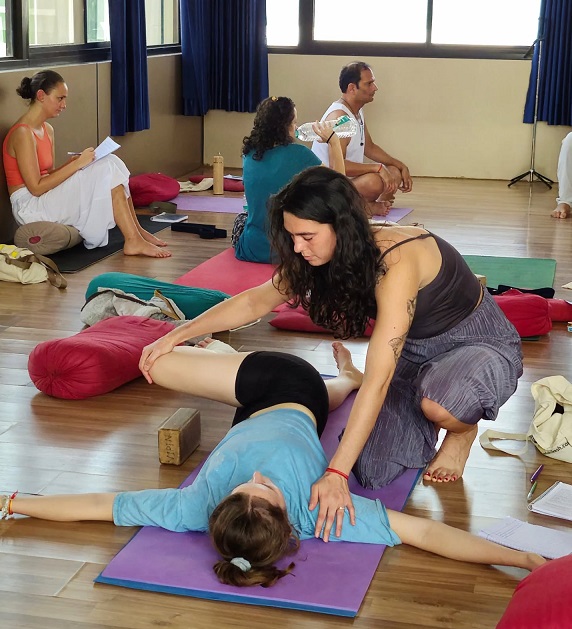
Supine Spinal Twist involves twisting the spine while lying on your back. Twists gently massage the abdominal organs, stimulate digestion, and improve spinal mobility.
How to Practice:
- Lie flat on your back with arms extended to the sides.
- Bend your right knee and cross it over to the left side of your body.
- Turn your head gently to the right and keep both shoulders on the floor.
- Hold the pose for several deep breaths, then switch sides.
Benefits:
- Stimulates digestive organs
- Relieves bloating and constipation
- Enhances spinal flexibility
Also Read: Vakrasana or Half Spinal Twist Pose : Benefits & How to Practice
7. Boat Pose
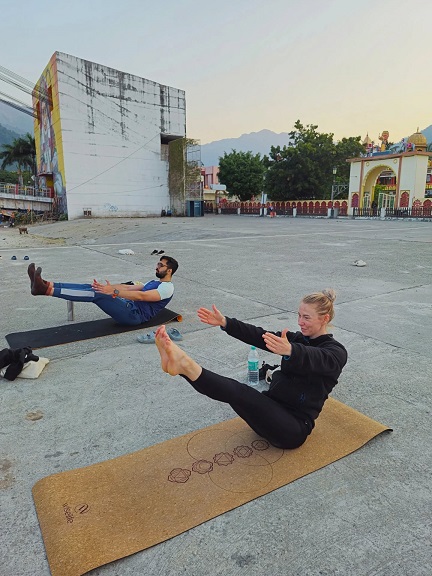
Boat Pose strengthens the core, improves balance, and stimulates digestive organs. The abdominal engagement in this pose encourages better digestion and circulation.
How to Practice:
- Sit on the floor with knees bent and feet flat on the ground.
- Lean back slightly and lift your feet off the floor, balancing on your sit bones.
- Extend your arms forward at shoulder height.
- Keep your spine straight and hold the pose while breathing steadily.
Benefits:
- Strengthens abdominal muscles for improved digestion
- Enhances core stability and posture
- Boosts circulation to the digestive organs
8. Downward-Facing Dog
This very pose is part of the Sun Salutation sequence, and it really helps in digestion and provides a full-body stretch. This pose resembles a dog stretching its body with its hips lifted, and that is why this pose is often referred to as “Downward-Facing Dog”.
How to Practice:
- Begin on your hands and knees.
- Lift your hips toward the ceiling, forming an inverted “V” shape.
- Keep your arms and legs straight while your head relaxes between your arms.
- Hold the position for several breaths, focusing on lengthening your spine.

Benefits:
- Stimulates digestive organs
- Provides a full-body stretch and strengthens muscles
- Reduces bloating and constipation
9. Bridge Pose
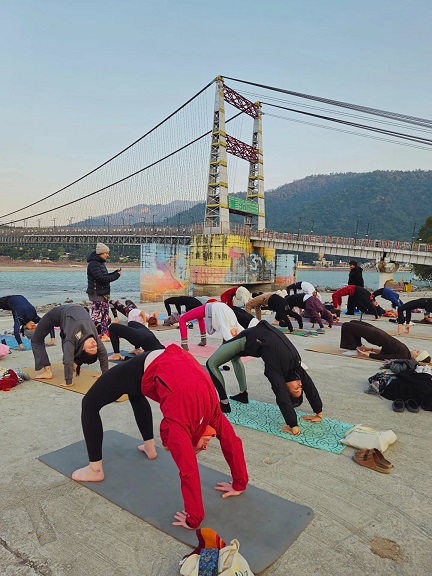
Bridge Pose is a gentle backbend that opens the chest, strengthens the back and legs, and stimulates digestion. It also relieves tension in the lower back and is considered one of the best yoga pose for digestion.
How to Practice:
- Lie on your back with knees bent and feet flat on the floor.
- Press your feet and arms into the floor, lifting your hips toward the ceiling.
- Clasp your hands under your back if comfortable.
- Hold the pose for several breaths, then gently release.
Benefits:
- Stimulates digestive organs and improves metabolism
- Strengthens the back, glutes, and legs
- Opens the chest and improves lung capacity
10. Camel Pose
Camel Pose is a deep backbend that opens the chest, stretches the abdomen, and strengthens the back. It is highly effective in stimulating the digestive system while improving posture and relieving tension.
How to Practice:
- Kneel on the floor with your knees hip-width apart.
- Place your hands on your lower back for support.
- Inhale and gently lean back, reaching for your heels if comfortable.
- Lift your chest toward the ceiling and allow your head to drop slightly back.
- Hold for several breaths and then return slowly to an upright position.
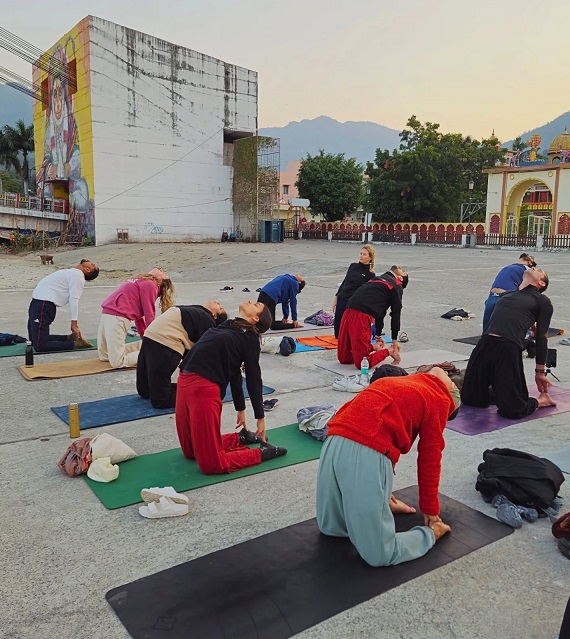
Benefits:
- Stimulates abdominal organs and improves digestion
- Opens chest and lungs for better breathing
- Strengthens the back and improves spinal flexibility
Best Time to Practice Yoga for Digestion
1. Morning (Empty Stomach)
A gentle and refreshing morning yoga practice is a wonderful way to wake up your digestive system and give your metabolism the healthy boost it needs to power through the day ahead!
2. 1–2 Hours After Meals
Light, easy movements after giving your body a little time to settle can actually support your digestion, just make sure you’re not rolling out your mat immediately after eating!
3. Before Bed
A calming and peaceful yoga session paired with slow, deep breathing before bedtime can work wonders, helping ease that uncomfortable, bloated feeling and quietly supporting your body’s digestion through the night.
4. Lifestyle Tips for Better Digestion
Good digestion isn’t just about what you eat; it’s really about how you live your everyday life. Here are some wonderfully practical ways to show your gut a little extra love:
5. Drink Plenty of Water
Staying well hydrated is honestly one of the simplest and most powerful things you can do for your digestion. Try sipping water steadily throughout the day rather than gulping down large amounts all at once, and kick off your morning with a warm glass of water to gently wake your system up.
6. Eat Mindfully and Chew Your Food Well
When you eat too quickly or while scrolling through your phone, bloating and discomfort are almost guaranteed to follow. So slow down and chew your food thoroughly. When you eat mindfully, your body becomes much better at detecting fullness signals, making the digestive process smoother.
7. Reduce Processed Foods and Sugar
Highly processed foods and too much sugar can really throw your gut off balance and put the brakes on your digestion. Try swapping out packaged and heavily refined items for fresh, wholesome foods as much as you can — your gut will genuinely thank you for it!
8. Manage Stress with Meditation or Yoga
When you’re stressed out, your body steps out of its natural “rest and digest” mode, which can slow everything down and leave you feeling uncomfortable. Bringing calming practices like yoga, meditation, or even just a few minutes of deep breathing into your daily routine can do wonders for settling your mind and getting your digestion back on track.
Beginner-Friendly Digestive Yoga Flow
| Pose | Duration |
| Seated side Bend | 30 sec each side |
| Cat-cow pose | 1 minute |
| Wind-relieving pose | 1- 2 minutes |
| Child’s pose | 1 minute |
| Boat pose | 30 seconds |
| Camel Pose | 30- seconds |
| Downward-facing dog | 1 min |
| Supine spinal Twist | 30 seconds each side |
| Reclining bound angle pose | 1 min |
| Birdge Pose | 30 seconds |
Conclusion
If you’ve been looking for a simple and natural way to feel better from the inside out, these 10 yoga poses are exactly what your body needs. By gently incorporating these poses into your daily routine, you can say goodbye to bloating and keep your gut happy.
The best part? You don’t have to be a yoga expert to get started. Simply begin at your own pace, move safely, and let your breath guide you through each pose. Consistency is the real secret here — even a few minutes of dedicated practice each day can slowly but surely transform how efficiently your digestive system works.
Remember, true wellness is the beautiful combination of mindful movement, healthy eating habits, staying hydrated, managing stress, and getting enough rest. When you bring all of these pieces together, your body naturally finds its rhythm and balance.
So roll out your mat, take a deep breath, and start this wonderful journey toward better digestion and overall well-being.
Trust the process, be kind to yourself, and enjoy every step of the way.
200 Hour Yoga TTC in Rishikesh | 300 Hour Yoga TTC in Rishikesh | 500 Hour Yoga TTC in Rishikesh
FAQ About Yoga and Digestion
Q1. Can yoga help with bloating after meals?
Yes! Poses like Wind-Relieving Pose and Supine Spinal Twists gently release trapped gas and reduce bloating. Regular practice also improves overall gut movement.
Q2. How often should I practice yoga for digestion?
Daily practice for 10–20 minutes is ideal. Even 3–4 sessions per week can show noticeable improvements in digestion and reduced discomfort.
Q3. Can yoga cure constipation?
Yoga helps stimulate bowel movement and relieve constipation naturally. However, combining yoga with a high-fibre diet, hydration, and mindful eating will provide the best results.
Q4 Can yoga help with acid reflux or heartburn?
Yes! Gentle twists and forward bends, along with deep breathing, can reduce stress and improve digestion, helping prevent acid reflux. Avoid intense backbends immediately after a meal.