








Top 10 Spiritual Gurus & Spiritual Masters in India
Table of Contents
- What Makes Someone a “Spiritual Guru” in India?
- Comparison: 10 Major Indian Spiritual Gurus at a Glance
- Maharishi Patanjali
- Swami Vivekananda
- Sri Ramana Maharshi
- Paramahansa Yogananda
- Sri Aurobindo
- Neem Karoli Baba
- Sadhguru Jaggi Vasudev
- Sri Sri Ravi Shankar
- Swami Sivananda Saraswati
- Anandamayi Ma
- Final Words
- Frequently Asked Questions
- What’s the difference between a guru, a swami, and a baba in India?
- Who is considered the greatest spiritual guru in India?
- Are Indian spiritual gurus always Hindu?
- Where can I learn from a living spiritual tradition in India rather than just reading about it?
India has been the cradle of countless spiritual teachers — sages whose words and lives continue to shape how yoga, meditation, and inner inquiry are practised around the world today. The ten spiritual gurus in India we’ll meet in this guide are far from a complete list (no such list could be), but each one represents a distinct lineage, a distinct gift, and a distinct way of pointing toward the same quiet truth.
Whether known as a guru, a swami, a baba, or an adhyatmik guru (the Hindi term for “spiritual teacher”), each of these Indian spiritual gurus offers a different doorway into the same tradition. In this guide, we’ll walk gently through their lives, their teachings, and what each one contributes to the larger conversation of Indian spirituality.
For many centuries, the Indian subcontinent has been home to rich sacred and spiritual traditions based on deep personal inquiry, philosophy, and experiential learning. In contemporary mysticism and philosophy, from the ancient Vedic seers to modern gurus, there are unparalleled examples of these influential beings shaping, not simply India’s inner traditions, but has got and have shaped our global capacities for meditation, consciousness, and personal transformation. Many are revered as Hindu spiritual leaders and dharma gurus within their own lineages, while others have gone on to become globally recognised Indian spiritual masters, teaching far beyond the borders of any single faith.
Existentially, they are teachers who transcend religious constructs and enter the eternal, existential journey of the human being looking for meaning, inner peace, and truth. In an increasingly more connected world, yet serially ignorant of what it means to be, their insights still have immeasurable value for us today, especially those yearning for an aligned way of life, who are seeking purpose, clarity, and higher transformational gifts.
What Makes Someone a “Spiritual Guru” in India?
A guru, in the original sense, is someone who has walked a path far enough to guide someone else along it — the word itself roughly translates to “dispeller of darkness.” That’s different from a swami (a title usually earned through formal monastic vows), a baba (a more informal, affectionate term for a holy man or ascetic), or an acharya (a teacher of doctrine or scripture). In practice, Indian media and search engines use all four terms fairly loosely, which is why you’ll see the same person described as a guru in one article and a swami in the next.
Comparison: 10 Major Indian Spiritual Gurus at a Glance
| Name | Era | Best Known For |
|---|---|---|
| Maharishi Patanjali | Ancient (est. 2nd century BCE) | Compiling the Yoga Sutras; the 8 limbs of yoga |
| Swami Vivekananda | 1863–1902 | Introducing Indian philosophy to the West at Chicago, 1893 |
| Sri Ramana Maharshi | 1879–1950 | Self-inquiry (“Who am I?”) at Arunachala |
| Paramahansa Yogananda | 1893–1952 | Autobiography of a Yogi; Kriya Yoga in the West |
| Sri Aurobindo | 1872–1950 | Integral Yoga; founding Auroville |
| Neem Karoli Baba | d. 1973 | Bhakti (devotion); influencing Ram Dass |
| Sadhguru Jaggi Vasudev | b. 1957 | Isha Foundation; Inner Engineering |
| Sri Sri Ravi Shankar | b. 1956 | Art of Living Foundation; Sudarshan Kriya |
| Swami Sivananda Saraswati | 1887–1963 | Divine Life Society; spreading Hatha Yoga West |
| Anandamayi Ma | 1896–1982 | Devotional mysticism; one of India’s few widely revered female gurus |
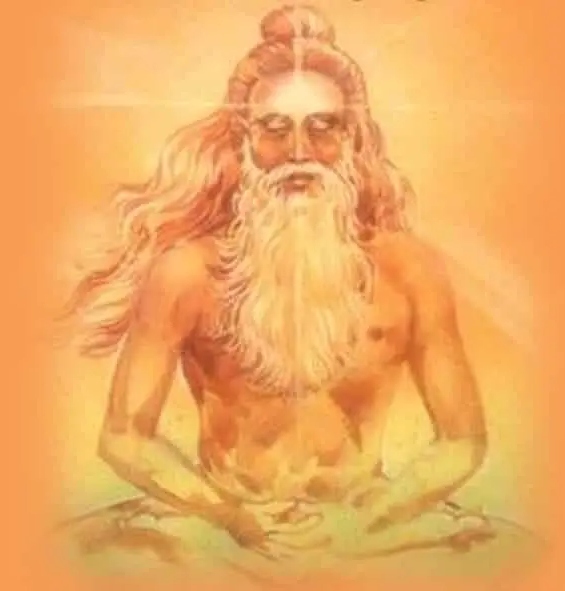
Maharishi Patanjali
Patanjali is usually called the father of classical yoga, and for good reason. He’s the one who took what had been an oral, scattered practice and organized it into the Yoga Sutras — 196 short aphorisms that lay out the eight limbs of yoga, from ethical conduct and breath control through to meditation and samadhi. Nearly every yoga teacher training in India, including ours, still teaches from this framework. If you’ve ever wondered why yoga is treated as a complete philosophical system rather than just stretching, Patanjali is the reason.
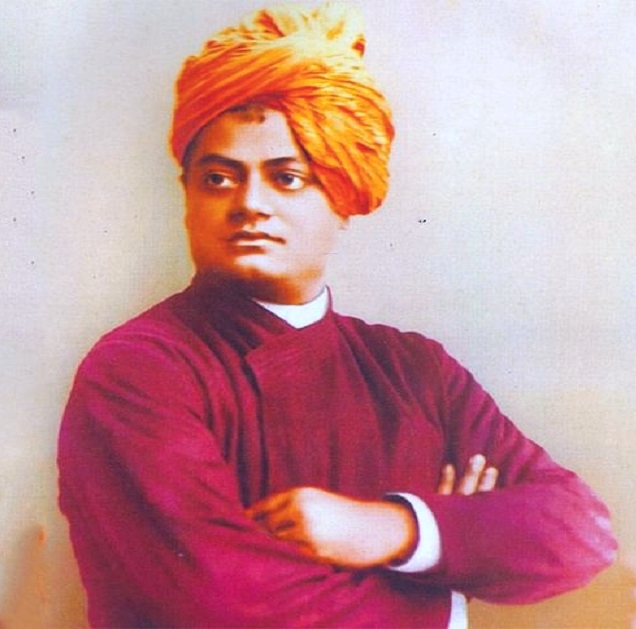
Swami Vivekananda
Vivekananda is arguably the reason “yoga” and “Vedanta” are words Westerners recognize at all. In 1893, he addressed the Parliament of World Religions in Chicago and, by most accounts, stole the room — opening with “Sisters and brothers of America” got him a standing ovation before he’d said anything of substance. He spent the rest of his short life (he died at 39) reinterpreting Vedic philosophy for a modern audience, and he remains one of the most quoted Hindu spiritual leaders in Indian history.
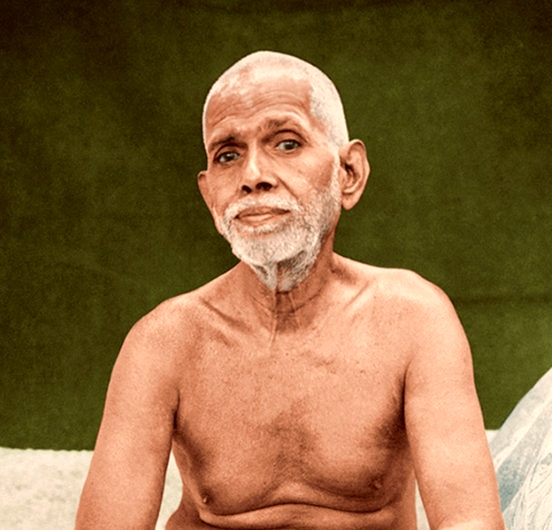
Sri Ramana Maharshi
Ramana Maharshi didn’t write treatises or found institutions. He sat, largely in silence, at Arunachala hill in Tamil Nadu, and pointed people back to a single question: “Who am I?” That’s the entire method — self-inquiry, stripped of ritual. People who visited him, including several well-known Western philosophers, often described the effect of his presence as more instructive than anything he said. He’s one of the clearest examples of a meditation guru whose teaching has almost no doctrine attached to it at all.
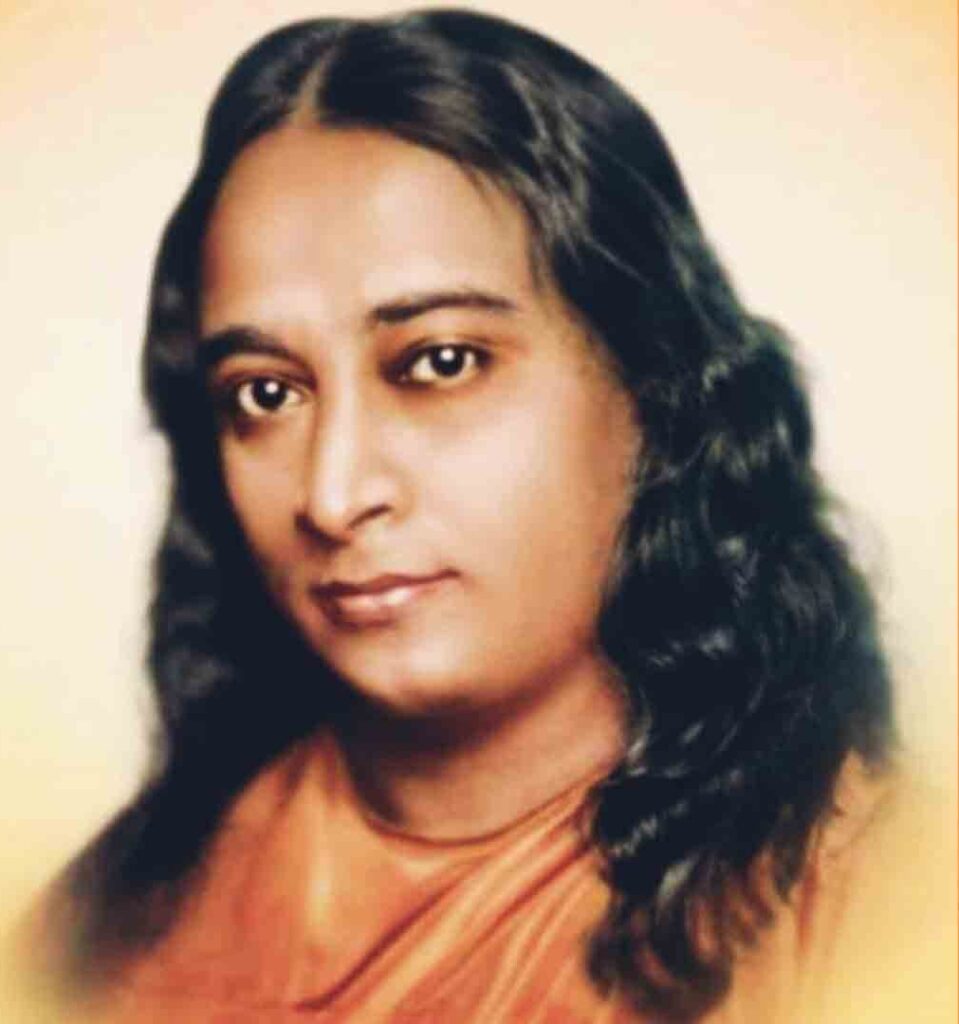
Paramahansa Yogananda
Yogananda’s Autobiography of a Yogi is still, decades on, one of the most gifted spiritual books in the English language — Steve Jobs reportedly had it downloaded on his iPad and asked for copies to be handed out at his memorial. Yogananda founded the Self-Realization Fellowship and taught Kriya Yoga as a specific meditation technique, not an abstract philosophy. His real project was reconciling science and spirituality, which made him one of the first Indian spiritual gurus to be taken seriously by a Western intellectual audience rather than treated as a curiosity.
Sri Aurobindo
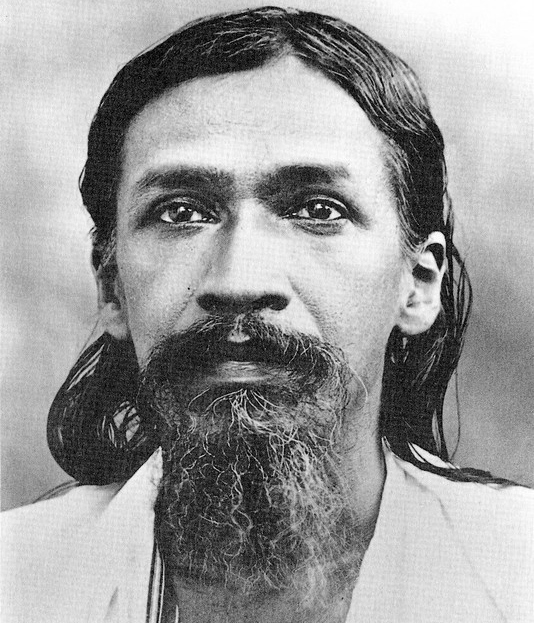
Before he was a spiritual teacher, Aurobindo was a freedom fighter jailed by the British for revolutionary activity — his year in Alipore Jail is what triggered his turn toward yoga and philosophy. His concept of Integral Yoga argued that liberation shouldn’t mean withdrawing from the world, but transforming it. With his collaborator, known as The Mother, he built the Sri Aurobindo Ashram and later Auroville, an experimental township that still exists in Tamil Nadu today.
Neem Karoli Baba
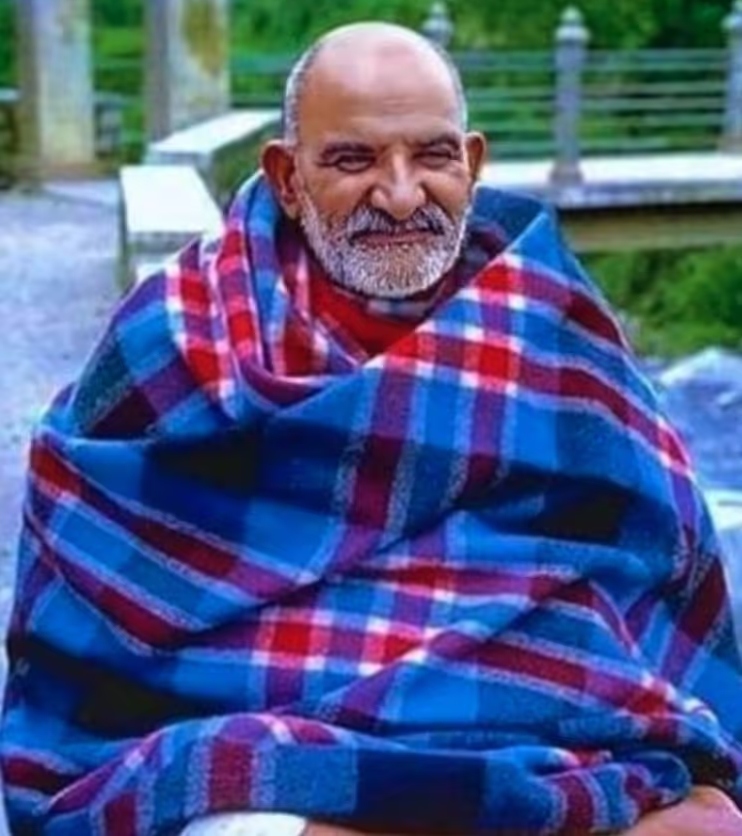
Neem Karoli Baba almost never taught in any formal sense — no lectures, no written system. What he’s remembered for is a kind of radical, uncomplicated devotion: love everyone, serve everyone, remember God. He’d likely be far less known outside India if not for Ram Dass, the Harvard psychologist turned spiritual seeker who wrote about him in Be Here Now, and later Steve Jobs and other Silicon Valley figures who made pilgrimages to his former ashram in Kainchi Dham. He’s one of the most famous babas in India, in part because his teaching required no scholarship to access — just presence.
Sadhguru Jaggi Vasudev
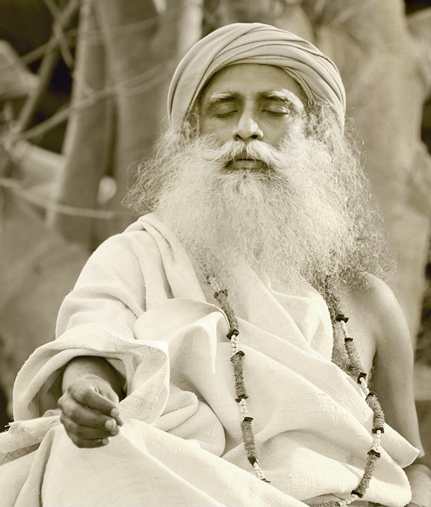
Sadhguru is probably the most visible of India’s living gurus right now, largely because he’s built a media presence most spiritual teachers haven’t bothered with — YouTube, podcasts, a Netflix documentary. His Isha Foundation runs the Inner Engineering program, which packages meditation and yogic practice in fairly secular, practical language. Whatever you make of the media strategy, he’s a genuinely trained yogi (he’s spoken about years of solitary practice before founding Isha), and he’s become a reference point for a lot of people’s first real exposure to Indian spirituality.
Sri Sri Ravi Shankar
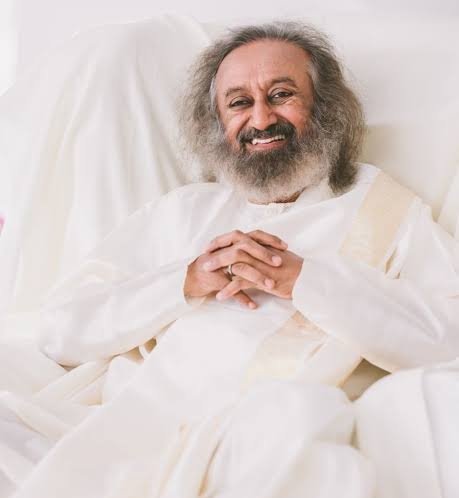
Sri Sri Ravi Shankar founded the Art of Living Foundation and is best known for Sudarshan Kriya, a specific rhythmic breathing technique that’s now been studied in a handful of clinical trials for stress and anxiety. The Art of Living claims to have reached over 500 million people across 180 countries, which — even allowing for some marketing rounding — makes him one of the most widely reached religious gurus alive today. He’s also been involved in conflict mediation work, including in Kashmir and Colombia, which is less commonly known than his meditation teaching.
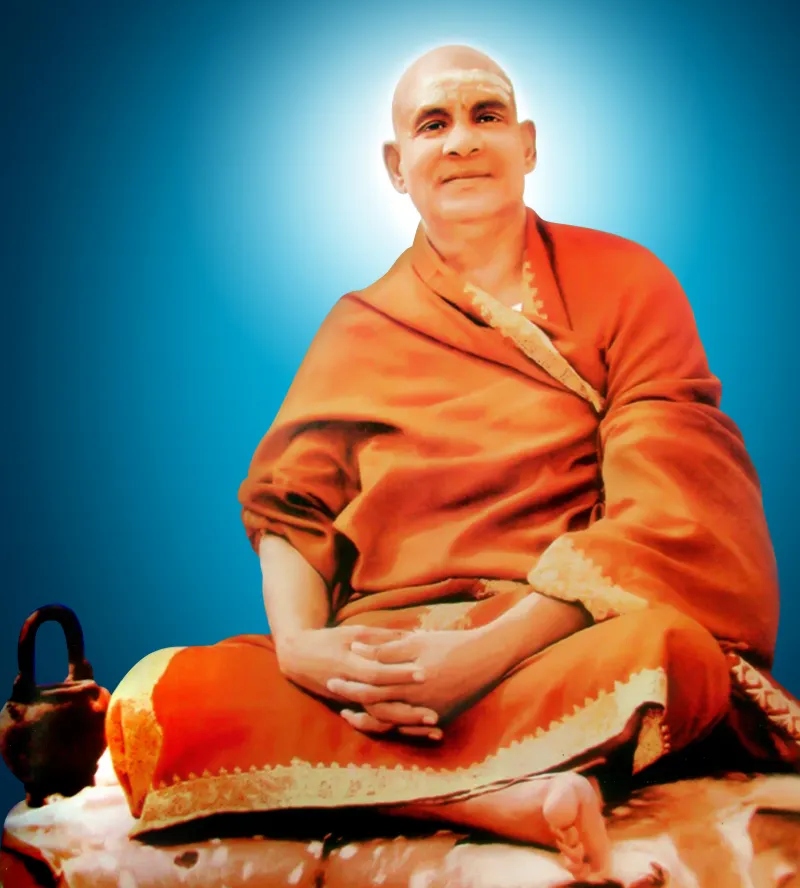
Swami Sivananda Saraswati
Sivananda trained as a physician before renouncing medicine for monastic life, which shows up in how practically he wrote about yoga — his books read more like instruction manuals than scripture. He founded the Divine Life Society, and his students went on to found some of the yoga lineages most Westerners actually practice today: Swami Vishnudevananda (Sivananda Yoga) and Swami Satyananda (Bihar School of Yoga) were both his direct disciples. If you’ve taken a Hatha Yoga class outside India, there’s a decent chance the lineage traces back to this one swami.
Anandamayi Ma
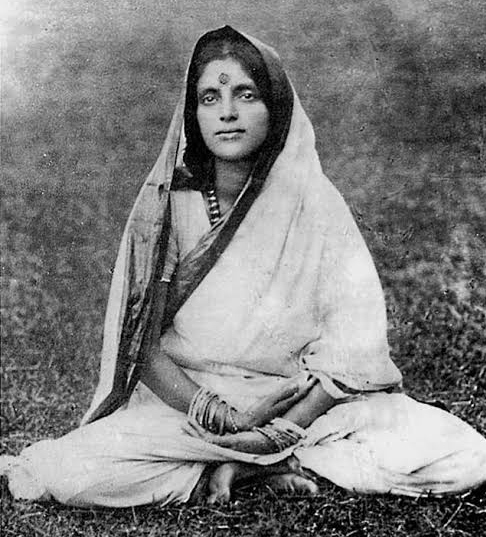
Anandamayi Ma had no formal religious education and never claimed a guru of her own — devotees, including some fairly rigorous scholars, described her as being in a permanent state of spiritual absorption from childhood. Mahatma Gandhi and Indira Gandhi both sought her out at different points. She’s one of the few women on nearly any list of India’s spiritual gurus, which says more about how these lists get compiled than about the actual history of Indian female spiritual masters — women have led major devotional and Tantric lineages for centuries, just with far less documentation.
Final Words
None of these ten were primarily in the business of delivering teachings — they were, each in their own way, demonstrating what the teaching looked like when it was actually lived. That’s the thread connecting an ancient sage like Patanjali to a media-savvy modern guru like Sadhguru: the philosophy only means anything once someone has tested it in their own life.
If there’s one thing worth taking from this list, it’s that India’s spiritual tradition was never really about producing a fixed set of answers. It kept producing new teachers, in new forms — Vedic seer, wandering baba, Hindu swami, modern yogi — because the underlying inquiry never actually finishes.
Frequently Asked Questions
What’s the difference between a guru, a swami, and a baba in India?
A guru is a personal spiritual teacher, a swami is a monk who has taken formal renunciate vows (usually within a specific order), and baba is a more informal, respectful term for a holy man or ascetic. The titles aren’t mutually exclusive — Swami Sivananda was both a swami and, functionally, a guru to thousands of students.
Who is considered the greatest spiritual guru in India?
There’s no single agreed-upon answer, since “greatest” depends on lineage and personal practice. Patanjali is the most foundational historically, Vivekananda the most globally influential in the modern era, and Sadhguru currently has the largest living following.
Are Indian spiritual gurus always Hindu?
No. While most figures on this list come out of Hindu philosophical traditions (Vedanta, Yoga, Tantra), India’s spiritual landscape also includes Buddhist, Jain, Sikh, and Sufi teachers who are sometimes grouped under the broader “Indian guru” umbrella in casual usage, even though the traditions themselves are distinct.
Where can I learn from a living spiritual tradition in India rather than just reading about it?
Rishikesh, where several of the teachers above have direct historical ties, remains one of the few places where you can study yoga philosophy, meditation, and these same lineages hands-on rather than secondhand — which is a large part of why we teach here.
This article is for general information and is not medical advice. If you have a respiratory or heart condition, are pregnant, or are unsure whether these practices suit you, please speak to your doctor before beginning.

 +91-8433225327,
 Rishikul Yogshala Rishikesh, Narayan Kunj, Jonk Village, Ram Jhula, Swarg Ashram, Rishikesh, Uttarakhand 249304
 By Airway
 By Railway
 By Bus/Cabs