








Maharishi Patanjali: The Quiet Sage Who Shaped Yoga
Table of Contents
- Who Was Maharishi Patanjali?
- Patanjali and the Yoga Sutras
- 1. Samadhi Pada (51 sutras)
- 2. Sadhana Pada (55 sutras)
- 3. Vibhuti Pada (56 sutras)
- 4. Kaivalya Pada (34 sutras)
- Why Is Patanjali Called the Father of Yoga?
- 1. Codification of Knowledge
- 2. Universal Accessibility
- 3. Philosophical Depth
- 4. Influence Across Centuries
- Misconceptions: Was Yoga Invented by Patanjali?
- Patanjali’s Relevance in the Modern World
- Honouring the Legacy
Around 2,000 years ago, a sage named Patanjali quietly gathered the scattered teachings of yoga and put them into a small, precise text — the Yoga Sutras. We know almost nothing about him as a person. What we do have is a body of work that has guided every serious yoga student for two millennia. In this guide, we’ll meet Maharishi Patanjali gently, understand what the Yoga Sutras are, and see why they still matter.
Let’s take a closer look at the life and works of Patanjali, including his masterpiece, the Yoga Sutras, and we’re going to find out exactly how and why he is known as the father of modern yogic philosophy.
Who Was Maharishi Patanjali?
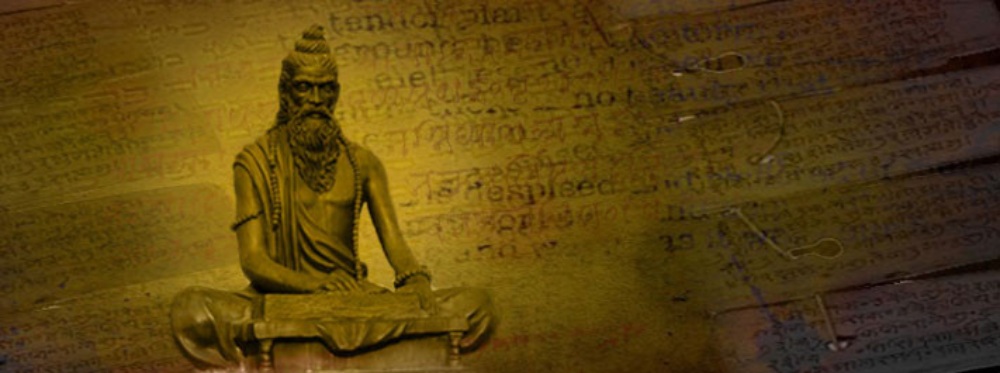
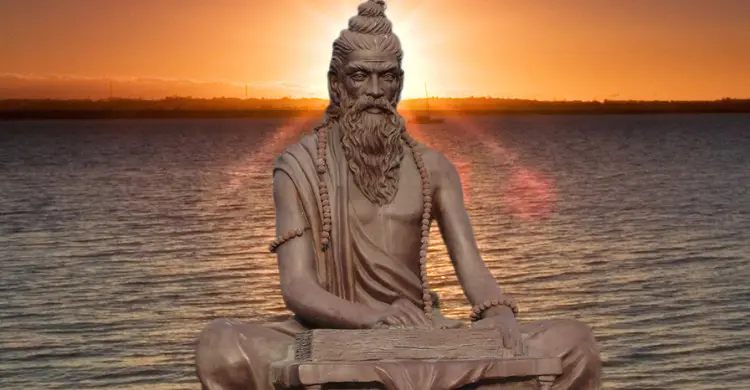
Little is known for certain about the life of Patanjali. He is thought to have lived sometime between the 2nd century BCE and the 4th century CE. He was believed to be a scholar, Grammarian, Philosopher and Physician, the quintessential polymath.
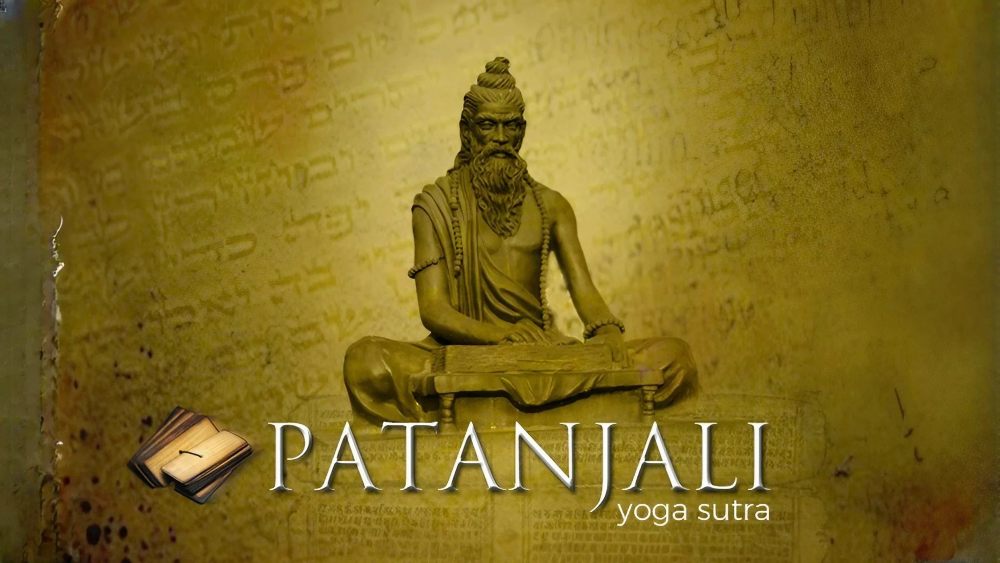
Documentation: There are 3 texts which are attributed to Patanjali:
Yoga Sutras: A classic text on yoga theory and practice.
Mahābhāṣya: A monumental work of Sanskritic grammar, commenting on Pāṇini’s Ashtadhyayi.
Patanjali Tantra: Patanjali Tantra (or Patanjalatantra), which is supposed to be related to Ayurveda, but is historically less confirmed.
While some academics believe the individual behind these texts was not the same, Indian tradition considers the variety of authors to be the work of but one enlightened being, an avatar of the divine serpent Ananta Shesha, emblematic of infinite knowledge.
We cannot vouch for the controversies around his life, but at least when it comes to his effect on yoga and philosophy, everyone agrees on Patanjali’s contribution to the science of consciousness.
Patanjali and the Yoga Sutras
Yoga Sutras of Patanjali is a short book of 195 Indian aphorisms, or sutras, that constitute the foundational texts of yoga philosophy. The sutras, which are written in laconic, poetic Sanskrit, read more like philosophical kernels than directives. But they are the basis of Rāja Yoga–what is called the royal path of meditation and mental discipline.
The Yoga Sutras consist of four chapters or padas:
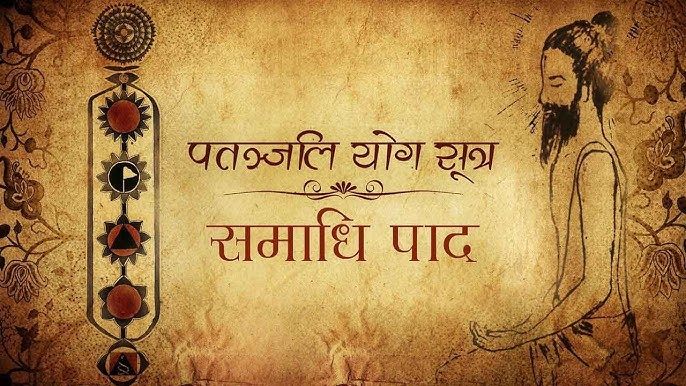
1. Samadhi Pada (51 sutras)
This section tells us what yoga is, and the actual aim of yoga is Samadhi (identification with the Self). Patanjali famously begins with:
“Yogaḥ citta-vṛtti-nirodhaḥ” – Yoga is the cessation of the fluctuations of the mind.
This one line is the very core of yoga, not gymnastics, but a mental discipline that leads to liberation.
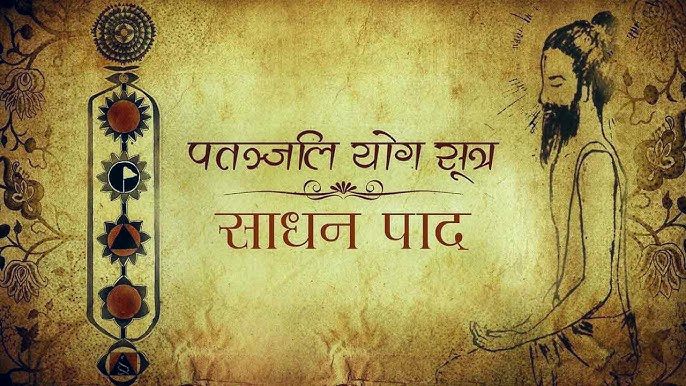
2. Sadhana Pada (55 sutras)
Here, in sutras 1-10, Patanjali begins to give practical techniques for attaining Samadhi. He enumerates the well-known Ashtanga Yoga or Eight Stages of Yoga:
1. Yama (ethical restraints)
2. Niyama (personal observances)
3. Asana (postures)
4. Pranayama (breath control)
5. Pratyahara (withdrawal of the senses)
6. Dharana (concentration)
7. Dhyana (meditation)
8. Samadhi (absorption or enlightenment)
These are steps that lead the one disciplining from exterior discipline to interior realisation.
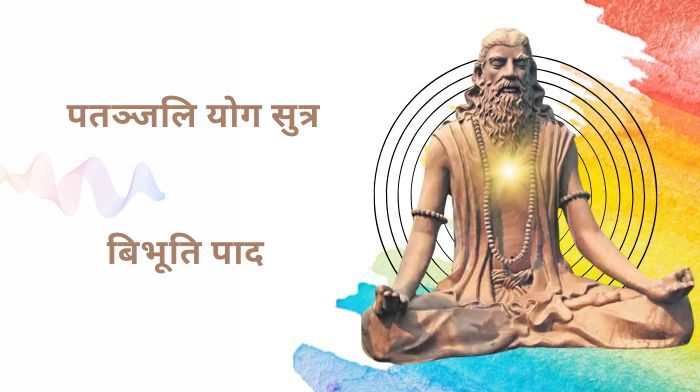
3. Vibhuti Pada (56 sutras)
This section elaborates on the siddhis, or supernatural abilities that may manifest during advanced yoga practices such as Dharana, Dhyana, and Samadhi (together called Samyama). Patanjali cautions that these powers could be an obstacle on the path to ultimate liberation.
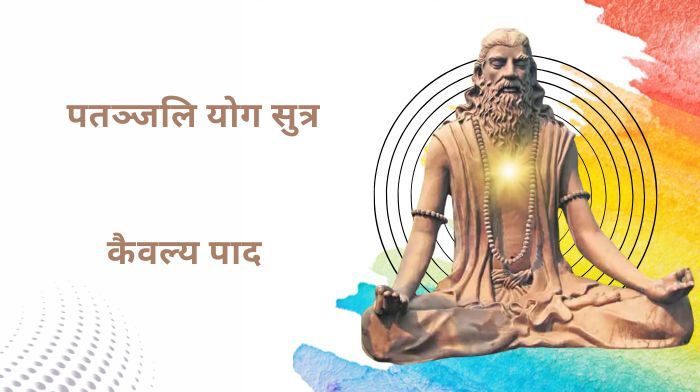
4. Kaivalya Pada (34 sutras)
The concluding chapter is on Kaivalya, that is, absolute freedom—Emancipation from birth and death. Patanjali explains how karma, the mind, and ego become phenomena that we harness to unite with pure consciousness, Purusha.
Why Is Patanjali Called the Father of Yoga?
Yoga existed even before Patanjali (it has origins in the Vedas and Upanishads), but he is said to have brought its practice into a system. He took what was a sort of broad and ephemeral tradition and brought it down and ordered it in a way that could be clearly articulated and understood, and applied to everyone.
Here’s why Patanjali is revered as the Father of Yoga:
1. Codification of Knowledge
Before Patanjali, the wisdom of yoga was passed down through generations, often in costly life lessons, and attainable texts, such as the Upanishads, Vedic hymns and Bhagavad Gita. They were consolidated by Patanjali into a unified and consistent philosophy.
2. Universal Accessibility
In delineating the eight limbs of yoga, Patanjali charted a course that all can pursue, regardless of caste, creed or upbringing.
3. Philosophical Depth
The Yoga Sutras grapple with the deepest issues of consciousness, the ego, suffering and liberation. According to Patanjali, yoga is not just a way of physical exercise but a practical philosophy of life.
4. Influence Across Centuries
The Yoga Sutras are still studied and re-interpreted in modern times by yoga practitioners, scholars and spiritualists. Nearly every yoga tradition we recognise today, from Hatha and Vinyasa to the precise directions of Iyengar, can still really all connect back very philosophically to Patanjali.
Misconceptions: Was Yoga Invented by Patanjali?
It is worth noting that Patanjali did not “create” yoga. The practice of yoga predates him — some artefacts like the Indus Valley seals even show yogic postures from around 3000 BCE.
But it was Patanjali who structured and codified the philosophy and practical aspects of yoga so that they could be retained, taught and built upon for eternity.
Patanjali’s Relevance in the Modern World
In today’s rapid modern living, where we are so interconnected and ever zapping, the wisdom of Patanjali is more applicable and pertinent than ever before. Even though yoga classes the world over are geared more to physical flexibility and fitness training, Patanjali reminds us that the essence of yoga is developing mental stillness, living an ethical life and nourishing spiritual growth.
Here are a few examples of Patanjali’s puzzles that still fascinate in the 21st century:
Mental Health
With anxiety and stress now truly global epidemics, the possibility of a “restful” mind may be better served with Patanjali’s strategy of soothing the “citta-vrittis” (the fluctuations of mind) than with our traditional considerations of “consciousness practice.”
Also Read: Top 10 Spiritual Gurus & Spiritual Masters in India
Mindfulness
Long before the word “mindfulness” arrived in the West, Patanjali taught Dharana and Dhyana—the practice of concentrated focus and meditation.
Ethical Foundation
The Yamas and Niyamas — ethical guidelines such as Ahimsa (non-violence), Satya (truthfulness), and Santosha (contentment) provide a moral foundation for how to live a balanced life.
Unity Beyond Religion
Patanjali’s yoga has nothing to do with any particular religion or dogma. It’s a science of the mind itself and of consciousness, for everyone.
Honouring the Legacy
This latter iconographical form is seated with that of a man above and a serpent below, is nanta, Padmasana or man on a lotus, and the body below the neck is displayed as human, but is straddling below human body. Anjali Mudra. His hands make the Anjali Mudra, a sign of balance and devotion.
In India, and elsewhere, yoga schools, institutes, and ashrams pay homage to his wisdom by reciting the Yoga Sutras daily. So revered are yoga’s historical texts that celebrated yoga masters such as B.K.S. Iyengar and Sri Pattabhi Jois often spoke at length of the influence of Patanjali as an originator of the texts that were to come.
Conclusion
Though yoga has since been pulled in so many directions — into hot yoga studios in Los Angeles and meditation retreats in the Himalayas — its philosophical heart still beats in the words of Patanjali. The Father of Yoga has bequeathed to humanity a great treasure of timeless teachings, a road to perfect health and harmony beyond the reach of time.
In a world increasingly defined by outer noise, Patanjali’s quiet call for inner stillness serves as both refuge and roadmap. His sutras are probably over 2,000 years old, but they’re as alive today as when they were recorded.
Our Popular Yoga Teacher Training Courses

200 Hour Yoga Teacher Training in Rishikesh || 300 Hour Yoga Teacher Training in Rishikesh || 500 Hour Yoga Teacher Training in Rishikesh
This article is for general information and is not medical advice. If you have a respiratory or heart condition, are pregnant, or are unsure whether these practices suit you, please speak to your doctor before beginning.

 +91-8433225327,
 Rishikul Yogshala Rishikesh, Narayan Kunj, Jonk Village, Ram Jhula, Swarg Ashram, Rishikesh, Uttarakhand 249304
 By Airway
 By Railway
 By Bus/Cabs