







You wake up, your back feels stiff, your hamstrings are tight, and your mind is already racing with the stress of the day. Sound familiar? What if one single yoga pose could address all three of these issues in a few minutes?
For anyone looking for a simple yet powerful yoga pose that stretches the entire back, calms the mind, and offers a quiet reset during a busy day, Uttanasana — the Standing Forward Bend — is worth knowing about.
It looks simple. You fold forward, let your arms hang, and breathe. This pose quietly works through your entire back, loosens up your hamstrings and calves, and has this wonderful way of calming a busy mind almost instantly.
This guide walks through how to do it step by step, covers variations from beginner to advanced, and explores the real benefits this pose can bring to everyday life. All it takes is a few minutes and a little mindful breathing.
What Is The Origin of Uttanasana?
The Uttanasana practised today is actually a modern interpretation of the pose, and its history is quite interesting.
The name “Uttanasana” does appear in older texts, including the Sritattvanidhi, a 19th-century manuscript. However, the pose described there looked nothing like what is practised today. Back then, it was performed lying on the back, not as a standing forward bend at all.
The version familiar to most yoga practitioners today took shape in the 20th century. It was clearly described and taught by the legendary yoga master Tirumalai Krishnamacharya in his 1934 book, Yoga Makaranda. Krishnamacharya is widely regarded as one of the most influential figures in modern yoga.
From there, the pose was carried forward by two students — B. K. S. Iyengar and K. Pattabhi Jois, who included Uttanasana in their own teachings and writings, helping it reach yoga practitioners across the globe.
So while the name has ancient roots, the Standing Forward Bend as it is known today, is very much a modern gift to the practice of yoga.
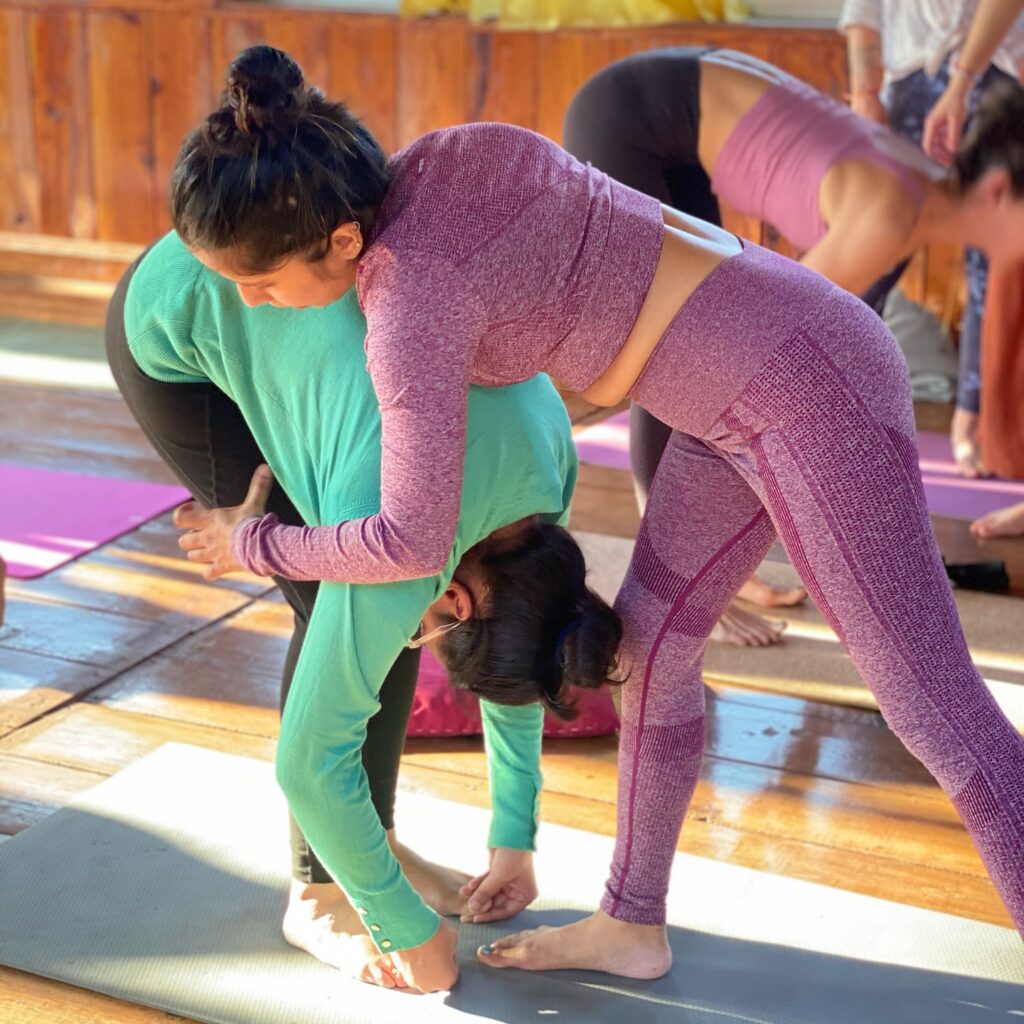
What Is The Uttanasana or Standing Forward Bend?
Uttanasana (oot‑tan‑AH‑suh‑nuh) is a standing forward-bending yoga pose that’s widely practised in modern yoga traditions. It is more commonly known as the Standing Forward Bend, and once tried, it’s easy to understand why so many practitioners keep coming back to it.
The name Uttanasana comes from three Sanskrit words:
- Ut — meaning intense
- Tan — meaning to stretch or extend
- Asana — meaning posture or pose
Put together, Uttanasana translates to “Intense Stretch Pose” — and that name really does say it all. This is a pose that works with intention and depth, gently lengthening the entire back side of the body, from the soles of the feet up through the spine.
How to Do Uttanasana (Step-by-Step Guide)
A step-by-step guide to doing it safely and getting the most out of every breath.
1 Start in Mountain Pose (Tadasana)
Stand tall with your feet hip-width apart and arms relaxed at your sides. Press your weight evenly into both feet — imagine growing roots into the floor.
2 Inhale and reach up
Take a deep breath and stretch your arms up. Feel your entire spine lengthen upward, creating space between each vertebra.
3 Bend forward from your hips
As you breathe out, bend forward from your hips, keeping your lower back straight.
4 Soften your knees and draw in your belly
If your hamstrings feel tight (which is completely normal!), bend your knees slightly. As you fold forward, gently pull your belly in — this helps protect your lower back.
5 Find your version of the pose
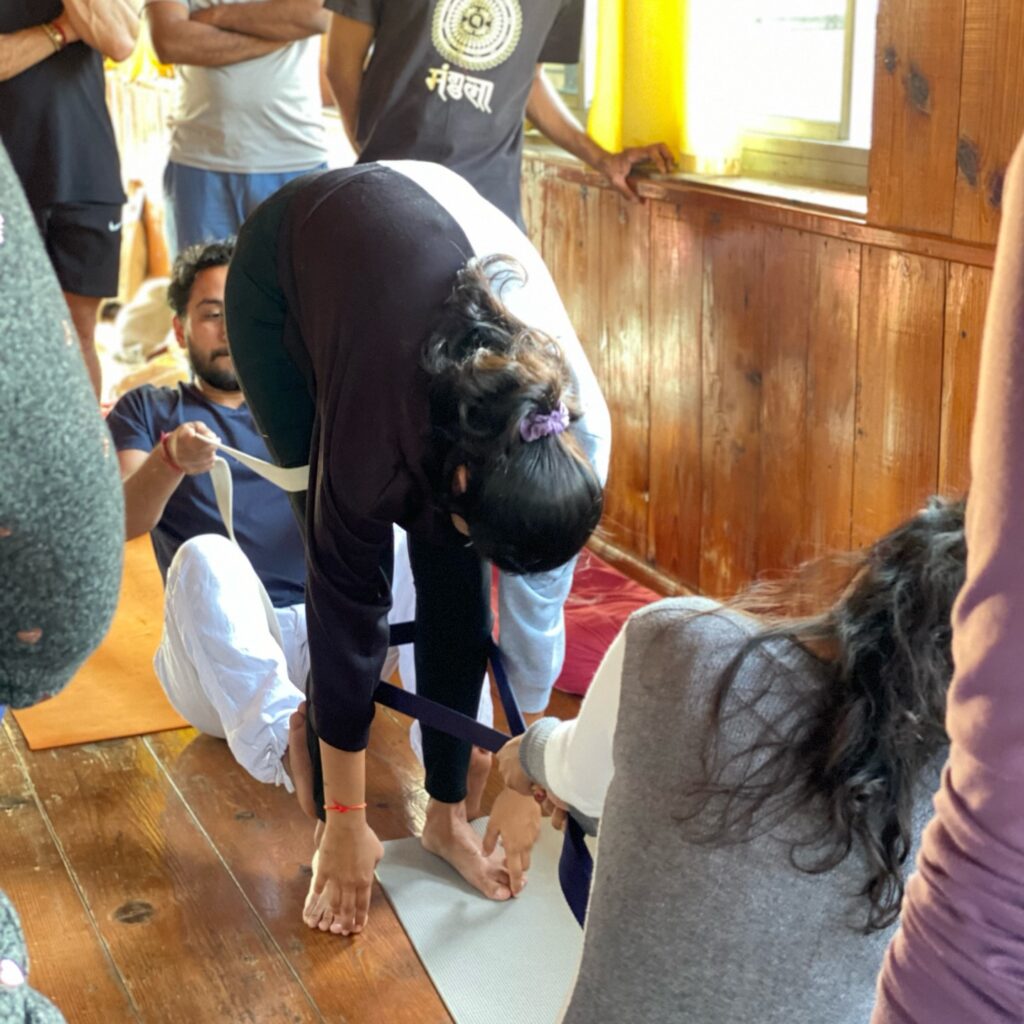
Place your fingertips or palms flat on the floor beside your feet. Can’t reach? That’s completely fine — rest your hands on your shins, ankles, or on yoga blocks. All three options are equally valid.
6- Let your head hang free
Release all tension in your head and neck. Don’t try to hold them up — just let gravity gently pull them down. It’s a surprisingly wonderful feeling once you let go.
7 -Breathe your way deeper
On every inhale, try to lengthen your front torso slightly. On every exhale, let yourself sink just a little deeper into the fold. Let your breath do the work — no forcing needed.
8 – Hold and breathe
Stay here for 30 seconds to 1 minute, breathing slowly and deeply. Notice how each breath creates a little more space in the pose.
9- Come out slowly and mindfully
Bend your knees slightly, place your hands on your hips, and engage your core. Then inhale as you slowly roll up one vertebra at a time — or rise with a flat back if that feels better. Take your time. There’s no rush.
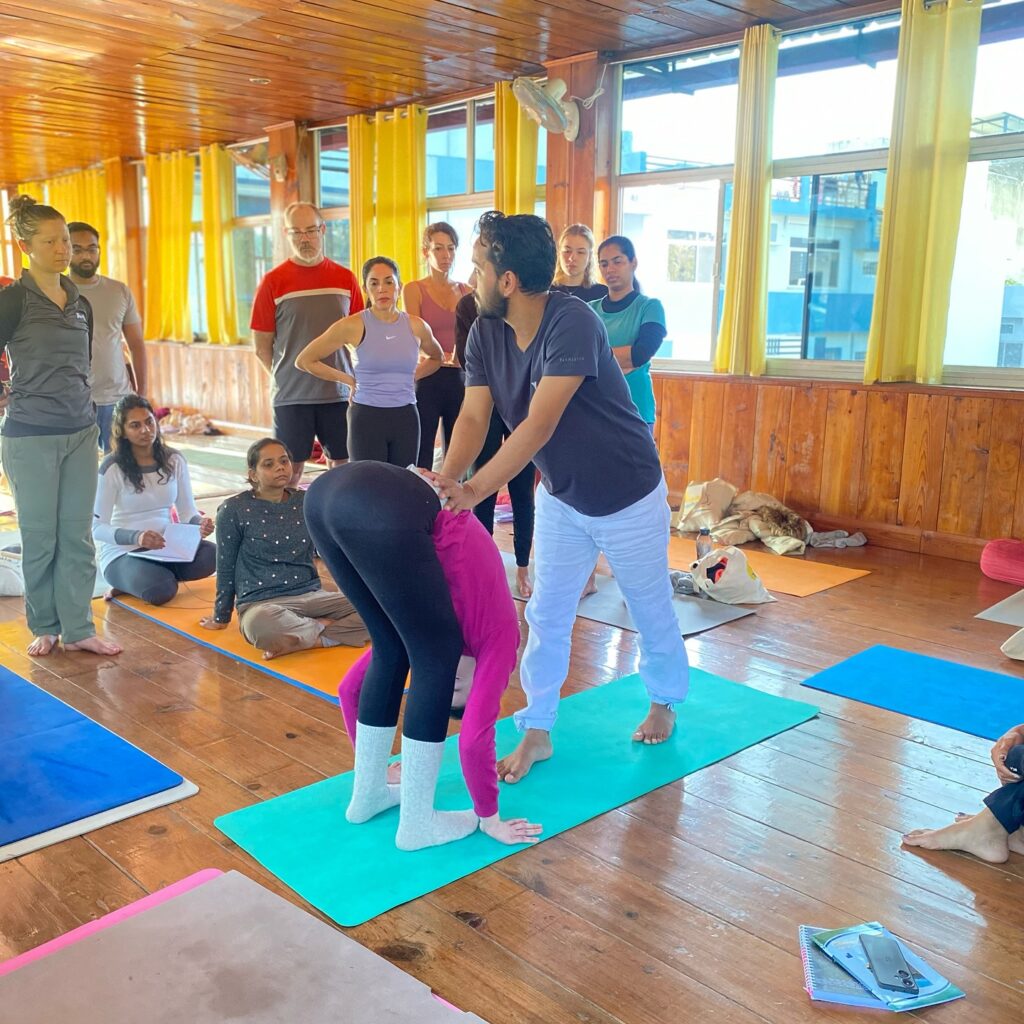
Benefits of Standing Forward Bend or Uttanasana
Using targeted muscles during the proper execution of this can have many health benefits. The following are some possible advantages of the Uttanasana posture:
- Improves Posture: This pose softly stretches the calves, hamstrings, and spine. Your regular practice can improve your posture by lengthening the spine and relieving stress in the back muscles. By lengthening the spine, Uttanasana counteracts the effects of prolonged sitting and helps prevent the development of rounded shoulders and forward head posture.
- Boosts Blood Circulation –When your head is lower than your heart, gravity helps blood flow to your brain. This increases oxygen and nutrient delivery to your brain, helping you feel more alert, refreshed, and mentally clear. The improved circulation also benefits your cardiovascular system and can even reduce tension in the head, neck, and shoulders.
- Enhances Balance: While Uttanasana may seem like a simple forward fold, it requires a delicate balance between stability and surrender. When you bend forward, you give in to gravity’s pull while also using your core muscles to stay stable. This balancing act strengthens the core and improves proprioception, which is crucial for maintaining equilibrium in everyday movements.
- Relieves Tension: It is an excellent posture for releasing tension and stress accumulated in the body, particularly in the neck, shoulders, and lower back. The gentle inversion created in the pose encourages blood flow to the brain, calming the mind and promoting relaxation. Additionally, the elongation of the spine helps relieve compression in the vertebrae, alleviating discomfort associated with poor posture and sedentary lifestyles.
- Improves Focus and Concentration- Because Uttanasana encourages inward attention, it can help quiet the mind and enhance mental focus. Practising this pose regularly teaches you to tune in to your breath, body alignment, and the sensations in your muscles. This mindfulness translates off the mat, helping with better concentration and mental clarity throughout the day.
- Stimulates Digestion: Forward folds like Uttanasana stimulate the abdominal organs, including the liver, kidneys, and spleen. This gentle massage aids in digestion, alleviates bloating, and may help relieve symptoms of indigestion and constipation. Incorporating this into your daily routine can promote digestive health and enhance overall well-being.
- Cultivates Mindfulness: Practising the standing forward bend encourages mindfulness and introspection. By focusing on the breath and sensations within the body, practitioners cultivate present-moment awareness and deepen their mind-body connection. The meditative aspect of this allows individuals to let go of distractions and find stillness amidst the chaos of daily life.
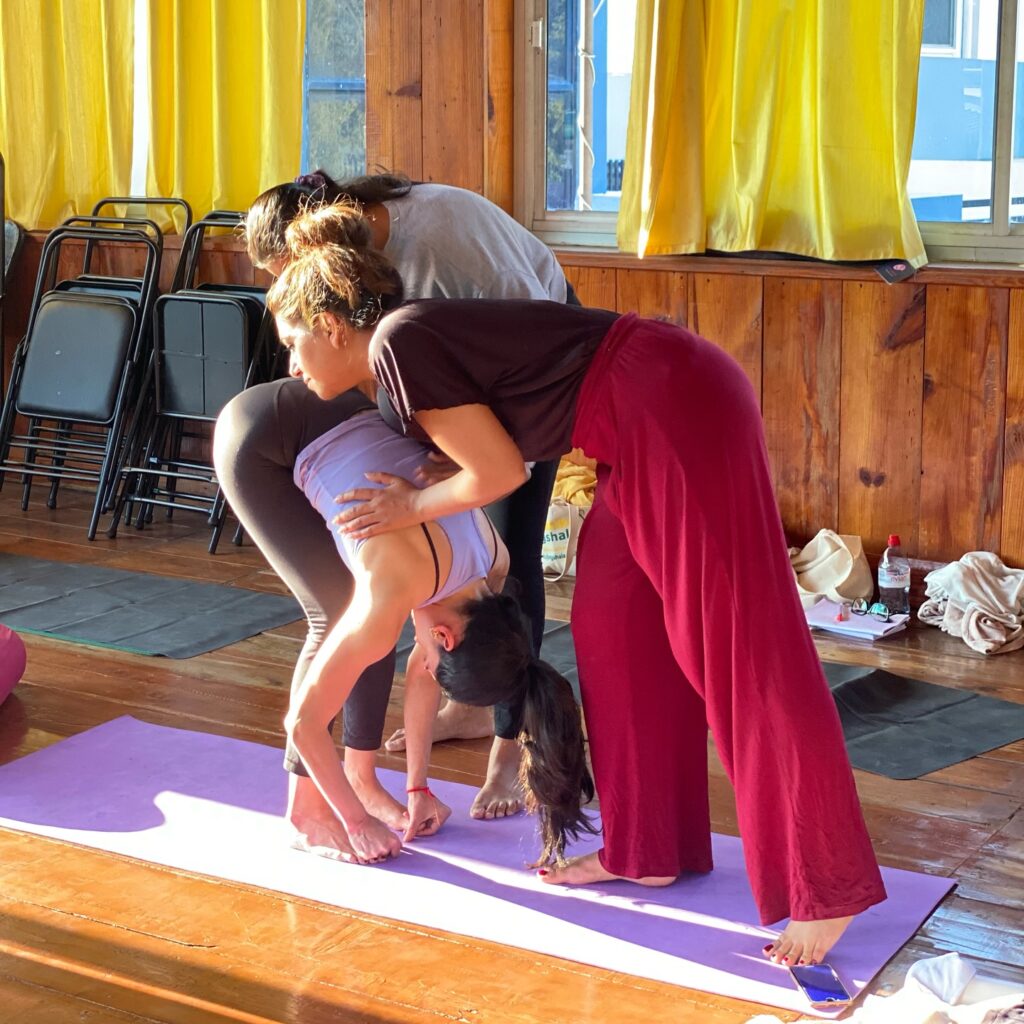
Uttanasana Variations: From Beginner to Advanced
Whether you’re just starting out or looking to deepen your Uttanasana or the standing forward bend pose, there is a variation for every level. These versions help you safely explore and enjoy the benefits of Uttanasana.
Beginner Modification
- Block-supported Uttanasana
Put yoga blocks under your hands so you don’t have to stretch all the way to the floor. This helps you stay in the right position without forcing your body.
- Wall-supported forward fold
Stand about half a metre from a wall, fold forward, and rest your hands on it for support. The wall gives you something to lean into, making this ideal if your lower back is sensitive or you’re easing back in after an injury.
Intermediate Modification
- Standing forward bend with shoulder opener
Interlace your fingers behind your back before you fold. As you descend, let your arms naturally extend overhead. The chest and shoulders open beautifully in this version.
- Wide-legged forward fold
Stand with your feet placed wider than your hips, then gently bend forward from your hips. This variation provides a deeper stretch for your inner thighs and helps open your legs further.
Advanced Modification
- Uttanasana with a Twist
From your full forward bend, place one hand on the floor under your shoulder and stretch your other arm up toward the ceiling. This gently opens the upper back and feels very relaxing — especially helpful if you hold tension between your shoulder blades.
- Eka Pada Uttanasana (one-legged forward bend)
Stay in your full forward fold and lift one leg out behind you. This one demands real hip flexibility and solid balance — it challenges your body in multiple directions at once. Approach it with patience and a steady breath.
Preparatory Poses for Uttanasana
| Pose Name | Purpose |
| Mountain Pose | Improves posture, balance and body awareness, creating a strong foundation for forward folds. |
| Cat-cow pose | Warms up the spine, improves flexibility, and releases back stiffness. |
| Downward Facing Dog | Stretches hamstrings, calves, and spine, preparing the body for Uttanasana. |
| Standing side stretch | Lengthens the sides of the body, improving flexibility and easing into the forward fold. |
Common Mistakes to Avoid in the Standing Forward Bend
The standing forward bend may look like one of the simplest poses out there, but a few small habits can quietly get in the way of its benefits or even cause unnecessary strain. Here’s what to keep an eye on:
- Rounding your back: It’s tempting to just curl forward, but the fold should come from the hips, not the lower back. Think of it as hinging, not hunching.
- Locking your knees: Straight doesn’t mean stiff. Keeping a soft, slight bend in the knees protects the joints and actually helps the stretch feel better.
- Forcing the stretch: This pose rewards patience, not force. Let the body ease into it gradually rather than pushing for a deeper fold than it’s ready for.
- Holding your breath: This one sneaks up on a lot of people. Slow, steady breathing is what helps the body relax and release — so don’t forget to breathe.
Tips to Practice Uttanasana Safely
To make the most of Uttanasana and enjoy all its benefits, follow these practical tips:
- Take your time getting into and out of the pose. Listen to your body, and avoid rushing or forcing the fold. Slow, mindful movement reduces the risk of injury and increases the stretch’s effectiveness.
- Even a few gentle stretches or a short sun salutation sequence helps prepare your hamstrings, spine, and calves for the fold.
- Activating your thigh muscles slightly protects your knees and keeps your legs active, which helps maintain balance and alignment in the pose.
- If your hamstrings are tight, a small bend in the knees prevents strain and helps you fold more comfortably while still feeling the stretch.
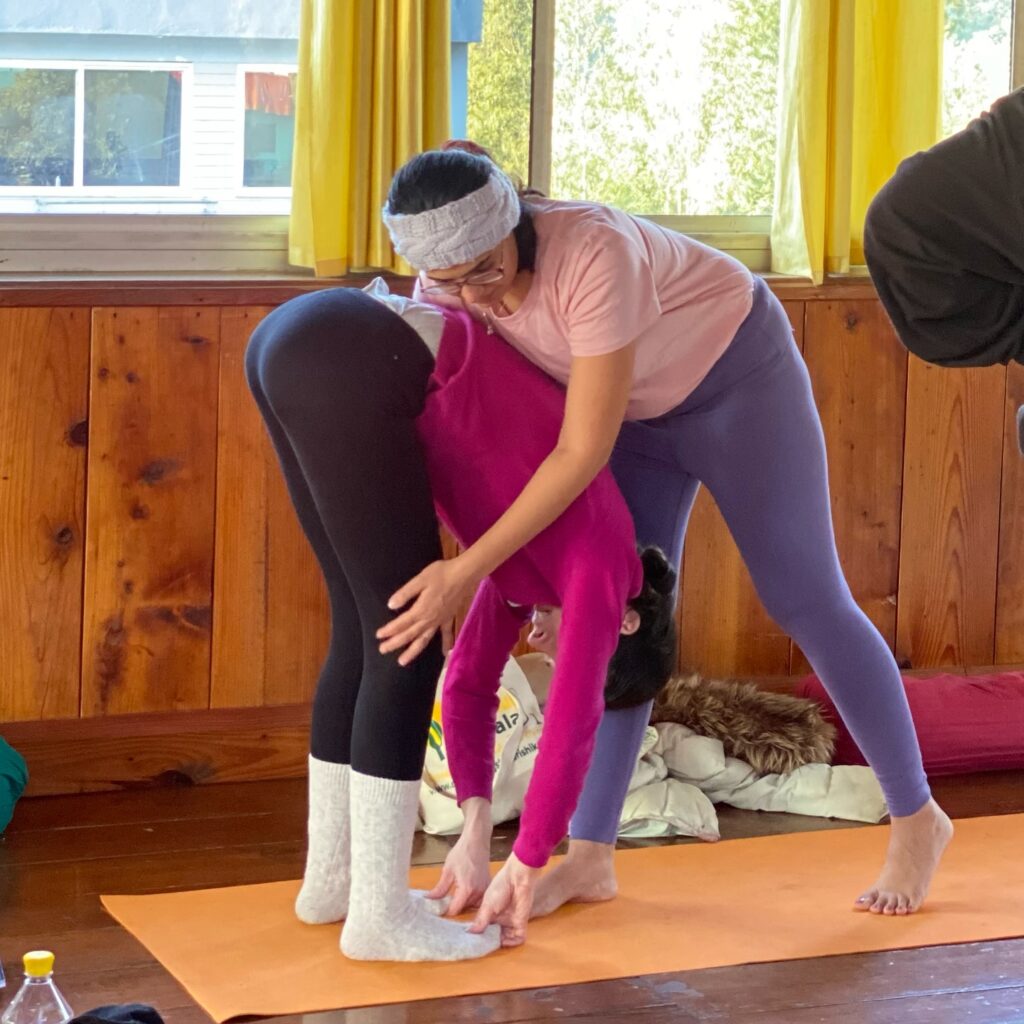
Who Should Be Careful with Uttanasana?
Uttanasana is a gentle and accessible pose for most people, but like any physical practice, a little awareness goes a long way. Certain conditions call for extra care or simple modifications before diving in.
1. Retinal Conditions: In Uttanasana, the head drops below the heart, which can increase pressure in the eyes. Anyone with serious eye conditions like glaucoma or retinal issues is better off skipping this one or choosing an alternative pose.
2. Pregnancy: This one depends on the stage:
- First trimester — generally safe for most.
- Second trimester — widen the feet a little and avoid any compression around the belly.
- Third trimester — deep forward folds are best avoided; a prenatal yoga specialist can suggest safer alternatives
3. Recent Surgery (Back, Hip, or Knee): If there’s been recent surgery in any of these areas, it’s important to wait for a doctor’s or surgeon’s clearance before practising. Modifications will likely be needed, so professional guidance is key.
This pose is deeply practiced and explored during the 200 Hour Yoga Teacher Training in Rishikesh at Rishikul Yogshala, where students experience its full therapeutic benefits firsthand.
When and How Often Should You Practice Uttanasana?
- Desk break [Every 90 minutes of sitting]- If you spend hours at a desk, a 60-second forward fold every 90 minutes works wonders. It counteracts the tightening of your hip flexors and hamstrings, relieves the pressure that builds in your spine, and gives your focus a genuine reset.
- Post-workout cool-down [After running, cycling, or training]- Uttanasana is a perfect closer after any workout. It directly targets the hamstrings, calves, and lower back — precisely the muscles that work hardest during most forms of exercise — and helps your body transition out of effort mode gracefully.
- Evening wind-down [Before bed]- Holding the pose for 1–2 minutes in the evening gently activates your parasympathetic nervous system — your body’s natural “rest” mode. Pair it with long, slow breaths, and it becomes a genuinely powerful stress-relief ritual that prepares you for deep sleep.
How Often?
For best results, practice Uttanasana daily. Even 2-3 minutes per day consistently will produce noticeable improvements in hamstring flexibility, spinal health, and stress levels within 4-6 weeks.
Also Read: Downward Facing Dog Pose: Unveiling Physical and Mental Strength
Conclusion
Adding Uttanasana to a daily yoga routine is like giving the body a gentle, full-body reset. This Standing Forward Bend is about so much more than touching the toes — it’s about releasing tension in the hamstrings, spine, and calves, quieting a busy mind.
Even a few minutes make a real difference. Whether it’s a quick stretch during a desk break or a calming ritual before bed, Uttanasana has a quiet way of helping the body feel less tense, more open, and genuinely at ease. Explore the variations, move at a comfortable pace, and treat each fold as a small act of care for both the body and the mind.
It’s a simple pose, but over time, that simplicity is exactly what makes it so powerful.
Frequently Asked Questions About Utanasana Yoga Pose
Q1. What muscles does Uttanasana target?
Uttanasana gives your hamstrings, calves, and glutes a deep, satisfying stretch. At the same time, your quads, core, and hip flexors are quietly working to hold the pose and keep you stable.
Q2. Can absolute beginners do Uttanasana?
Absolutely yes! Uttanasana is genuinely one of the most beginner-friendly poses in yoga. Bend your knees, use yoga blocks. The pose is about releasing and lengthening, not about how far you can reach.
Q3. Is Uttanasana good for back pain?
For most people, yes — it can feel genuinely relieving. The pose loosens up tight back muscles and stretches the hamstrings, which are a surprisingly common contributor to lower back discomfort.
Q4. Does Uttanasana improve digestion?
Yes, the gentle compression of the abdomen in this forward bend can massage your digestive organs, helping to improve digestion and relieve bloating.
Q5. Can Uttanasana help with headaches?
Forward bends like Uttanasana increase blood flow to the head, which may relieve mild tension headaches. Always practice slowly and mindfully, especially if you feel dizzy.

Last Modified Date: 26-03-2026