








Diaphragmatic Breathing: A Gentle Beginner’s Guide to Belly Breathing
Table of Contents
- What is Diaphragmatic Breathing?
- How Diaphragmatic Breathing Promotes Overall Health
- 5 Steps to Practice Diaphragmatic Breathing for Beginners
- Benefits of Diaphragmatic Breathing
- Improved Oxygenation
- Stress Reduction
- Better Digestion
- Lowers Heart Rate and Blood Pressure
- Strengthening The Diaphragm And Posture
- Conclusion
Before any pranayama practice, before any meditation, there is just breath — quiet, deep, and from the belly. Diaphragmatic breathing is exactly this: the soft rise and fall of the belly as you breathe, the way you breathed as a baby before the world taught you to hold your chest tight. It is the foundation of every pranayama that follows. In this guide, we’ll walk through five gentle steps to find belly breathing again, and look at why it helps so much.
This article discusses diaphragmatic breathing and its steps so that even beginners can master it and unlock all its physical and mental benefits.
What is Diaphragmatic Breathing?
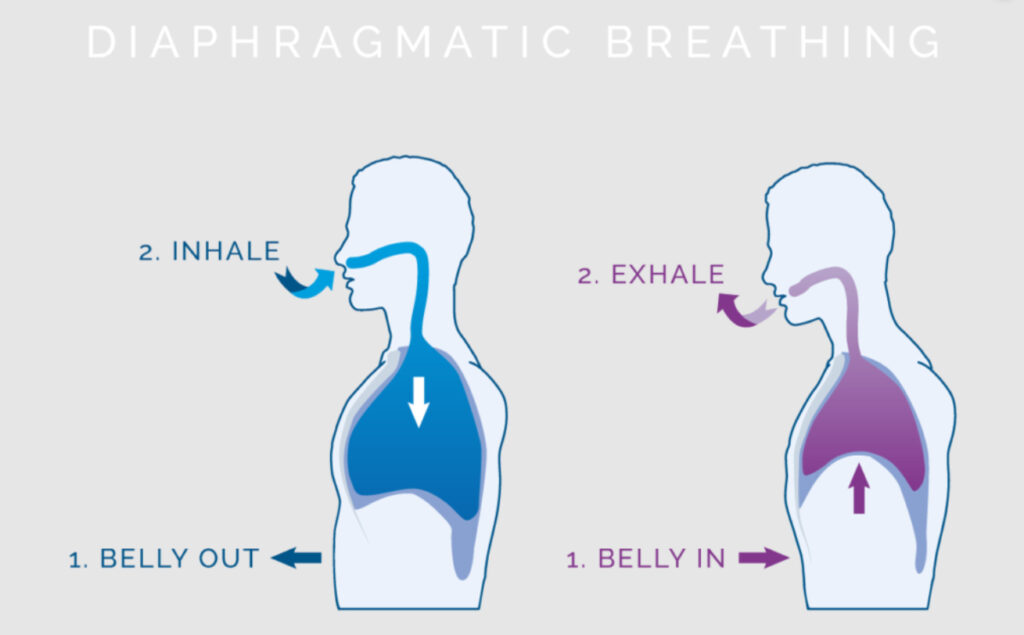
Diaphragmatic breathing, also known as abdominal breathing or belly breathing, is a technique that involves deep breaths that fully engage the diaphragm, a large, dome-shaped muscle located at the base of the lungs. Unlike shallow chest breathing, which primarily uses the upper chest and neck muscles, diaphragmatic breathing draws air deep into the lungs, allowing maximum oxygen exchange and promoting relaxation. This method of deep breathing is an important part of various practices, including yoga and meditation, and is recognized for its numerous health benefits, such as reducing stress, improving lung function, and enhancing overall well-being.
How Diaphragmatic Breathing Promotes Overall Health
We can breathe in two ways: chest breathing, also known as shallow breathing, and diaphragmatic breathing, which involves breathing deeply. Most people breathe shallowly from the chest, which limits oxygen intake and can lead to various health problems. On the contrary, diaphragmatic breathing provides more oxygen to the body and brain and activates the parasympathetic nervous system, which promotes better health and relaxation. This breathing technique activates the body’s natural healing processes and supports overall well-being.
5 Steps to Practice Diaphragmatic Breathing for Beginners
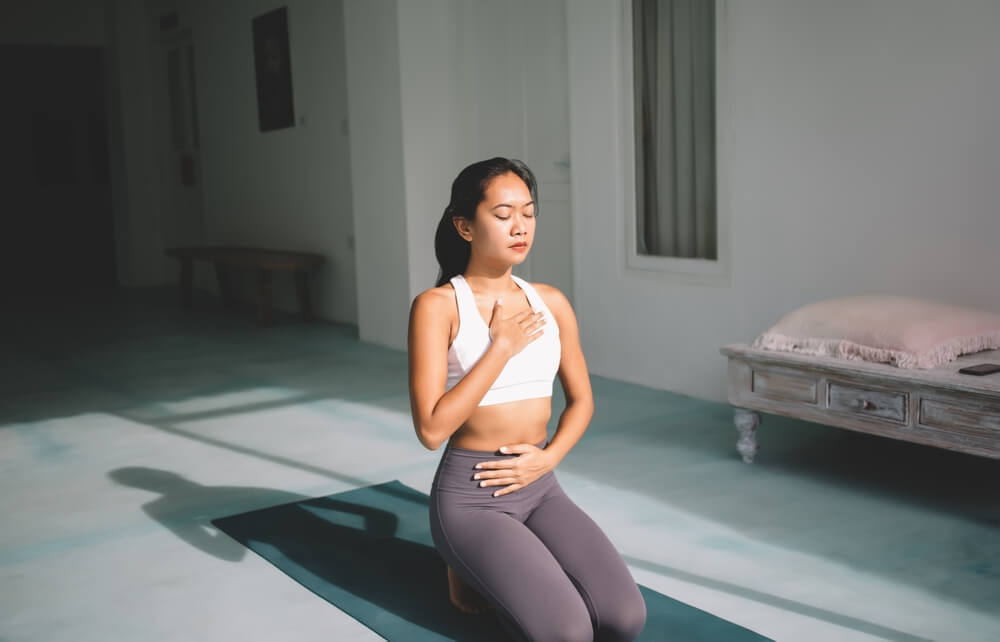
While diaphragmatic breathing can be practiced sitting upright, beginners may find it easier to learn the technique by lying down and following the steps mentioned below:
- Find a quiet and comfortable place to practice diaphragmatic breathing. Wear loose, comfortable clothes that allow your stomach to move freely.
- Lie on a flat surface with your knees slightly bent and feet flat on the ground. If needed, placing a pillow under your feet will give you extra support to keep your knees up.
- Now, place one hand on your chest and the other on your stomach, just below your rib cage, to track your breathing. Keep your shoulders, neck, and head relaxed.
- Take slow and deep breaths through your nose. Remember to fill your stomach with the breath. As you inhale, notice your stomach rising while the hand moves upward, and keep the other hand steady on your chest.
- Exhale as much air as possible and feel your hand on your stomach moving downwards. Continue exhaling until you feel you have exhaled as much air as possible.
Beginners may start with 5-10 minutes of diaphragmatic breathing 2-3 times a day and gradually increase the duration as they become more comfortable. Practice regularly for incredible benefits and the best results.
Benefits of Diaphragmatic Breathing

Learning diaphragmatic breathing benefits your body, mind, and soul, leading to overall well-being. Deep breathing is the foundation of almost all relaxation and meditation practices, making it an essential part of our 200-hour yoga teacher training course in Rishikesh. Below are some of the benefits of diaphragmatic breathing.
Improved Oxygenation
This breathing practice increases oxygen intake and helps eliminate carbon dioxide more effectively. It improves overall respiratory efficiency and supports better physical function.
Stress Reduction
This breathing practice activates the body’s “relax and digest” system, known as the parasympathetic nervous system. It helps reduce stress and anxiety levels, thereby increasing calm and relaxation and promoting the overall well-being of the individual.
Also Read: Cooling Pranayama Practice for Summer: Beat the Heat Naturally
Better Digestion
The rhythmic movement of the diaphragm helps the internal organs function better and increases blood flow in the digestive system. Regular diaphragmatic breathing can help reduce digestive problems like bloating, indigestion, and constipation, thus promoting a more efficient digestion Process.
Lowers Heart Rate and Blood Pressure
This breathing practice helps lower heart rate and blood pressure by activating the body’s relaxation response. Deep and slow breathing helps the heart beat slowly and efficiently. Reducing Stress hormones also relax the blood vessels, lowering blood pressure.
Strengthening The Diaphragm And Posture
Deep breathing exercises the diaphragm, making this muscle stronger and more efficient. The strong diaphragm improves breathing ability and reduces tension in the neck and shoulders. It helps us breathe more oxygen, increase stamina and energy levels, and promote better posture.
Conclusion
Mastering diaphragmatic breathing is a valuable skill for enhancing physical and mental health. Beginners and all yoga enthusiasts can reap the benefits of this powerful breathing method by understanding this technique and practicing it regularly. Remember, patience and consistency are the keys. Over time, This breathing practice can become a natural and effortless part of your daily life, improving overall health.
Our Yoga School in Rishikesh takes pride in teaching diaphragmatic breathing and other Pranayama techniques to beginners and advanced Yoga Practitioners. We offer training in various Yoga TTC programs to individuals wishing to deepen their yoga practice and become certified yoga teachers, including the 200 Hour Yoga TTC in Rishikesh and other advanced courses.
For those interested in deepening their yoga journey, consider enrolling in a yoga teacher training program. Rishikul Yogshala, a leading Yoga school in Rishikesh, offers comprehensive courses like the 100 Hour Yoga Teacher Training In Rishikesh, 200 Hrs Yoga TTC In Rishikesh, 300 Hour Yoga Teacher Training In Rishikesh, and 500 Hour Yoga Teacher Training Rishikesh. These programs are designed to help you master your practice and share the transformative power of yoga with others.
This article is for general information and is not medical advice. If you have a respiratory or heart condition, are pregnant, or are unsure whether these practices suit you, please speak to your doctor before beginning.

 +91-8433225327,
 Rishikul Yogshala Rishikesh, Narayan Kunj, Jonk Village, Ram Jhula, Swarg Ashram, Rishikesh, Uttarakhand 249304
 By Airway
 By Railway
 By Bus/Cabs