






In today’s screen-bound world, our bodies quietly fold in on themselves. Shoulders hunch forward, the chest tightens, and every breath feels a little shallower than it should. And it’s not just a posture problem; this closed, collapsed position affects how we feel mentally and physically.
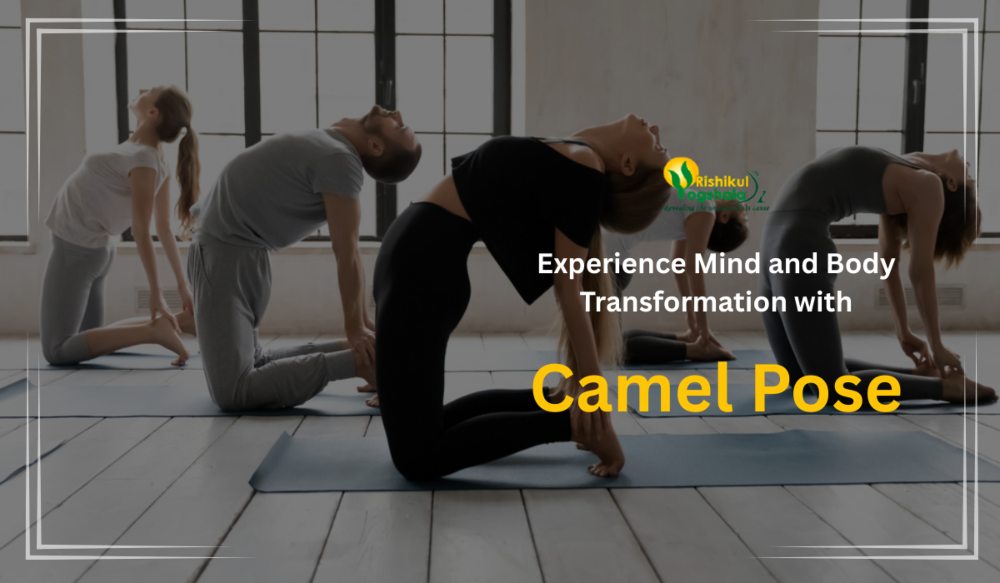
The good news? Yoga offers a gentle, effective way out of this cycle, and among all the poses, Camel Pose (Ustrasana) is one of the most powerful. This graceful backbend opens the chest, stretches the shoulders, and strengthens the spine and back muscles — all in one beautiful and flowing movement.
Even celebrities have discovered its power and made it a regular part of their wellness routine. In May 2020, Bollywood actress Kalki Koechlin shared a photo of herself practising Camel Pose as part of her postpartum fitness routine after welcoming her daughter, showing how yoga supported her recovery journey (as reported by The Indian Express). A beautiful reminder that every journey back to wellness starts with a single, mindful step.
This guide walks you through everything you need to know — how to do Camel Pose step by step, variations from beginner to advanced, and the real benefits it brings to everyday life. All it takes is a few minutes, a little mindful breathing, and the willingness to open up.
Meaning and Origin of Camel Pose (Ustrasana)
Ustrasana comes from Sanskrit —Ustra, meaning camel, and asana, meaning pose. The name is inspired by the graceful arch of the back in the pose, which resembles the hump of a camel.
Rooted in ancient Hatha Yoga traditions, Camel Pose was designed with a clear purpose to open the chest, stretch the entire front body, and build a strong, flexible spine.
The pose as we know and practise it today was largely shaped in the 20th century by two of yoga’s most influential teachers, B.K.S. Iyengar and Pattabhi Jois. They brought Ustrasana into the spotlight, emphasising not just its physical benefits but also its ability to encourage emotional openness and inner freedom.
How to Do Camel Pose
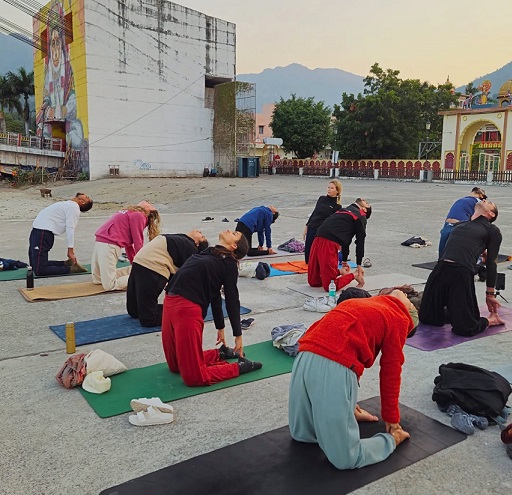
Kneel on your mat with your knees hip-width apart and your thighs straight up like two pillars supporting you. Take a few deep breaths here.
- Rest both hands on your lower back with your fingers pointing downward. This hand placement isn’t just for comfort; it actively supports and lifts your spine as you move into the backbend. Think of your hands as a gentle safety net.
- Take a deep inhale and let your chest rise toward the ceiling. Gently draw your shoulder blades together and feel your heart space opening. This is the moment the pose truly begins, and it already feels wonderful.
- Slowly and gently lean backwards. Keep your hips pressing forward directly over your knees.
- When you are ready, reach back and place your hands on your heels — one hand at a time. Keep your chest lifted and your core gently engaged throughout.
- Stay here for 15 to 30 seconds. Breathe slowly and feel the stretch across your chest and back spine.
- Bring your hands back to your hips, engage your core, and slowly rise back up to an upright kneeling position.
- Sit quietly for a moment and feel the beautiful afterglow of the pose — the openness in your chest and the warmth in your back.
What Are the Benefits of Camel Pose (Ustrasana)?
1. Improves Posture
Sitting at a desk all day rounds your shoulders and curves your spine forward. Camel Pose directly fixes this by opening the chest, pulling the shoulders back, and lengthening the spine. Regular practice helps you stand taller, move better and carry yourself with more confidence.
2. Opens the Chest and Lungs
Camel Pose creates more space in your chest, allowing your lungs to expand fully. This leads to deeper, more relaxed breathing, improved oxygen intake, and an overall feeling of refreshment and energy after every practice.
3. Strengthens the Back Body
Camel Pose actively works your back muscles, glutes, and core throughout. This builds the strength your spine needs to stay protected, reduces lower back strain, and makes everyday movements like lifting and bending easier.
4. Increases Flexibility
Long hours of sitting tighten your abdomen and thighs. Camel Pose stretches all of these areas at once, gradually loosening the tightness and restoring your body’s natural range of motion. Over time, movements that once felt stiff become easy.
5. Boosts Energy Levels
Camel Pose opens the chest, improves circulation, and stimulates the nervous system — giving you a clean, natural energy boost. It’s a great pose to practise when you’re feeling sluggish, tired, or stuck in a midday slump.
6. Reduces Stress and Tension
The chest opening in Camel Pose directly calms the nervous system. It releases tension stored in the shoulders, neck, and upper back — and helps the mind let go of stress and negative thoughts.
7. Supports Better Digestion
Camel Pose gently stretches and compresses the abdominal area, stimulating the digestive organs. This helps improve digestion, reduce bloating, and support overall gut health. A simple but surprisingly effective benefit most people don’t expect.
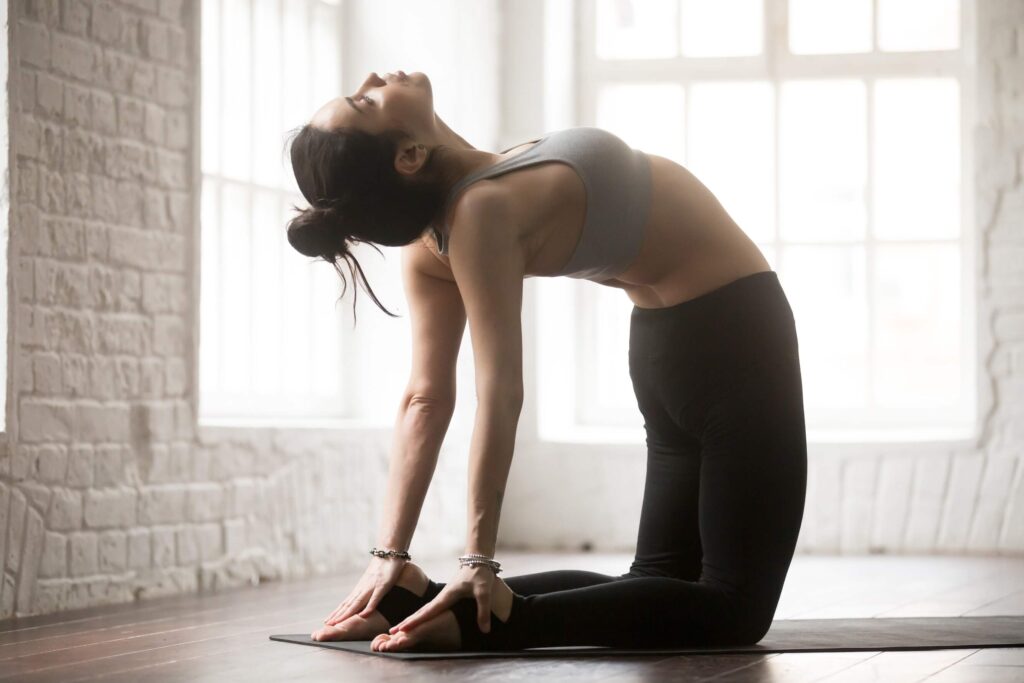
Camel Pose (Ustrasana) Variations – From Beginner to Advanced
From your very first backbend to your most advanced expression of Ustrasana, this heart-opening pose challenges you and rewards you at every single level. Here is your guide to exploring this pose -safely, confidently, and most importantly at your own pace.
Beginner Modification
1. Half-camel Pose
Not ready to reach both heels yet? Start here. Place one hand on your heel while keeping the other hand on your lower back or reaching upward toward the sky. This gentler version reduces the intensity and protects your lower back, and gives your body the time it needs to build flexibility gradually.
2. Supported camel pose with Blocks
Think of yoga blocks as your most supportive friends on the mat. Place them beside your ankles, and rest your hands on top. Instead of forcing your hands all the way to your heels, the blocks meet you halfway, keeping your spine nicely aligned, body comfortable and your practice safe.
Intermediate Modifications
1. Camel Pose with Toes Tucked
This is a small change that makes a big difference. Before going into the pose, tuck your toes under. This lifts your heels slightly so your hands can reach them more easily. It gives you better support while still allowing a deeper backbend than beginner versions.
2. Dynamic Camel Pose
Instead of holding the pose still, try moving with your breath. As you inhale, lift your chest and arms up. As you exhale, slowly lean back into the pose. This gentle flow helps build strength, improve flexibility and makes the movement feel more natural over time. It turns Camel Pose into a smooth, flowing experience.
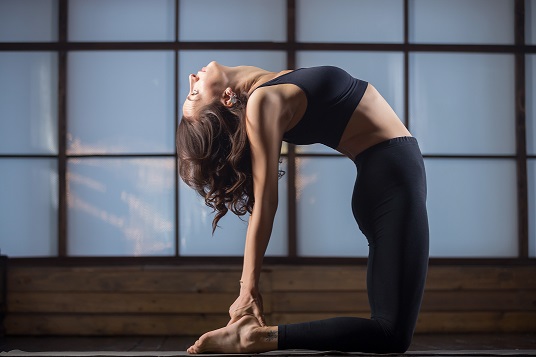
Advanced Modifications
1. Camel Pose with a Twist
From your full Camel Pose, keep one hand grounded on your heel and extend the opposite arm upward or sweep it across your body. This introduces a gentle spinal twist into the backbend — deepening the stretch through your chest and shoulders while adding a whole new dimension to the pose.
2. One-Legged Camel Pose
From your full Camel Pose, slowly lift one leg off the ground while maintaining your balance, stability, and steady breath. Your core fires up, and focus sharpens.
This pose is taught in detail during the 200 Hour Yoga Teacher Training in Rishikesh at Rishikul Yogshala, where students learn proper alignment, breathing, and safe practice techniques.
Preparatory Pose for Ustrasana[ Camel Pose]
| Pose Name | Why it is important |
| Cobra Pose | Prepares your back for deeper backbends without strain |
| Locust Pose | Builds the strength needed to support Camel Pose safely |
| Bow Pose | Prepares the body for strong backbends like Camel Pose |
| Spinix pose | Ideal for beginners to safely prepare for deeper poses |
Take It Easy or Skip It If You Have
- Back pain or spinal injuries — Camel Pose is a deep backbend, and deep backbends can put extra pressure on your lower back. If your back is already unhappy, don’t push it.
- Neck issues — When your neck is healthy, dropping your head back in Camel Pose feels like a beautiful release. But if your neck is already injured, that same movement can do more harm than good.
- A herniated disc or serious spinal condition — this pose puts a lot of strain on the spine. If you are already dealing with serious spinal problems, Ustrasana can make things worse rather than better.
- Recent abdominal surgery — The deep stretch across the abdomen is intense even for healthy bodies. If you’ve recently had surgery, this one’s best avoided for now.
- Knee discomfort or injuries. Camel Pose is a kneeling posture, so your knees are working hard the entire time. If they’re sensitive or injured, that constant pressure won’t feel good. Try placing a folded blanket underneath for extra cushioning, or simply give this one a skip until your knees feel stronger.
Tips for Safe Practice
Camel Pose: This pose has many benefits; it’s important to do it safely to avoid getting hurt. Here are some tips to make sure you practise it safely:
- Warm-Up: Before doing Camel Pose, warm up your body. You can do some easy stretches and other yoga poses to get your muscles and spine ready.
- Use Props: If you are new to this pose or your body isn’t very flexible, you can use things like yoga blocks or a cushion to help you. You can even put a block between your heels to make it easier to reach your hands.
- Use Your Abs Muscles: When you do the pose, remember to use your abs muscles. This will protect your lower back and keep you steady.
- Listen to Your Body: Pay attention to how your body feels. If it hurts or feels uncomfortable, stop and come out of the pose slowly.
Also Read – Ustrasana: the Camel’s Strength for Physical and Spiritual Mastery
Conclusion
The Camel Pose is a powerful yoga pose that can bring significant changes to your body and mind. It makes your spine more flexible, helps you stand up straighter, and can even make you feel better emotionally.
Ustrasana is one of those rare poses that works for everyone, at every stage. If you’re a beginner stepping into your very first backbend, two hands resting gently on your lower back is more than enough to get started. If you are a desk worker carrying hours of tension between your shoulder blades, this pose was perfectly made for you, and if you’re rebuilding strength after having a baby, the way Kalki Koechlin did postpartum, Camel Pose can be one of the most gentle, powerful tools in your recovery.
So take a deep breath. Roll your shoulders back. Lift your chest even just a little. That small movement right there is already the beginning of Camel Pose.
Frequently Asked Questions (FAQs) About Camel Pose Yoga
Q1. What muscles does the Camel Pose work?
Camel Pose stretches the hip flexors, chest, shoulders, and quadriceps. It strengthens the back muscles and improves spinal flexibility.
Q2. How long should I hold Ustrasana?
Beginners can start with 20–30 seconds. Gradually increase to 60 seconds as flexibility improves. Always focus on controlled breathing.
Q3. Can beginners do the Camel Pose?
Yes! Beginners can modify by keeping their hands on the lower back or using blocks. Gradual practice ensures safety and benefits.
Q4. How does Camel Pose help in daily life?
Camel Pose benefits include improved posture, reduced back stiffness, increased energy, and better digestion—all contributing to healthier daily movement.
Q5. Is Camel Pose safe for seniors?
Seniors can practice modified Camel Pose with blocks and avoid deep backbends. Gentle practice improves spinal flexibility and opens the chest safely.
Q6. Can I do Camel Pose if I have neck or back pain?
If you have severe neck or back problems, it’s best to modify the pose or avoid it. Use blocks or keep your hands on your lower back, and always consult a yoga instructor or healthcare professional.