








International Yoga Day 2026 (21 June): Origins, and How It Is Celebrated
Table of Contents
- Origin of International Yoga Day
- Why is International Yoga Day Celebrated on 21 June?
- Why Does the International Yoga Day Theme Change Every Year?
- How is International Yoga Day Celebrated Around the World?
- 1. Mass Yoga Sessions
- 2. Workshops and Seminars
- 3. Online Yoga Programs
- 4. Government-Led Events
- 5. Institutional Participation
- What Is the Importance of International Yoga Day?
- 1. Global Awareness
- 2. Promotion of Health
- 3. Unity and Peace
- 4. Promotes Overall Health
- 5. Improves Mental Health
- 6. Creates Job Opportunities
- What Were the Major Milestones of International Yoga Day Celebrations?
- Practical Ways to Celebrate International Yoga Day
- 1. Start with Pranayama
- 2. Attend a Yoga Class
- 3. Sit for Meditation
- 4. Read a Yoga Text
- 5. Introduce Someone Else to Yoga
- 6. Practice Gratitude
- 7. Commit to One Healthy Change
- How Rishikul Yogshala Rishikesh Celebrates International Yoga Day?
- Starting the Day with the Global Yoga Community
- Yoga and Wellness Activities
- Final Words
- Frequently Asked Questions
- 1. When was International Yoga Day first celebrated?
- 2. Who proposed International Yoga Day?
- 3. Why is Yoga Day celebrated on 21 June?
- 4. How many countries participate in International Yoga Day?
- 5. What was the theme for Yoga Day 2025?
- 6. What is the theme for International Yoga Day 2026?
- 7. Where will International Yoga Day 2026 be celebrated in India?
- 8. How can I participate in International Yoga Day 2026?
- 9. What is the Common Yoga Protocol (CYP)?
- 10. Is International Yoga Day a public holiday?
- 11. What Guinness World Records have been set on International Yoga Day?
- 12. What is the difference between International Yoga Day and World Yoga Day?
- 13. What does “Adiyogi” have to do with International Yoga Day?
- 14. Can beginners participate in International Yoga Day events?
- 15. How is International Yoga Day different from a regular yoga class?
You have seen the photos. Thousands of people on yoga mats in parks, on beaches, in stadiums, move together on the same morning. But how did an ancient practice that emerged in India thousands of years ago become the world’s largest single-day wellness movement?
In 2014, India made a proposal at the United Nations. Within 90 days, 177 countries said yes, the fastest-adopted resolution in UN history. On 21 June 2015, 35,985 people from 84 nationalities practised together on a single road in New Delhi, breaking two Guinness World Records on Day One.
But most people only know the surface. Why was 21 June specifically chosen? What ancient story sits behind this date?
This blog has all the answers, the real history, the facts, and everything you need to know before 21 June.
Origin of International Yoga Day

Yoga originated in India thousands of years ago, with references to yogic practices appearing in ancient texts such as the Rigveda. Over time, yoga evolved into a structured system comprising physical postures, breathing techniques, meditation, and purification practices.
The biggest turning point came on 27 September 2014, when Prime Minister Narendra Modi proposed an International Day of Yoga at the United Nations General Assembly. The idea received massive global support, as 177 member states co-sponsored the resolution, leading to the UN’s official declaration of 21 June as International Yoga Day through Resolution 69/131 on 11 December 2014.
The first celebration took place on 21 June 2015 at Rajpath, New Delhi, where PM Modi led 35,985 participants in a mass yoga session, setting two Guinness World Records for the largest yoga class at a single venue and the most nationalities (84) participating together. Events were held across more than 190 countries on that same day.
Why is International Yoga Day Celebrated on 21 June?
International Yoga Day is celebrated on 21 June because it falls on the Summer Solstice, the longest day of the year in the Northern Hemisphere. Across many cultures, this day symbolises vitality, balance, and renewal, making it a meaningful date for a global celebration of yoga.
In yogic tradition, the period following the Summer Solstice is believed to be particularly favorable for spiritual growth and inner transformation. Some traditions also associate this time with the beginning of the transmission of yogic knowledge by Adiyogi (the first yogi) to the Saptarishis (seven sages).
When proposing the Yoga International Day at the United Nations in 2014, India suggested 21 June because of its global significance as the Summer Solstice. The United Nations subsequently adopted the date, linking the ancient practice of yoga with a universally recognized natural event.
Why Does the International Yoga Day Theme Change Every Year?
Every year, International Yoga Day is celebrated with a different theme. The theme serves as the main message for that year’s celebrations and highlights a specific aspect of yoga that is relevant to current global needs. While the purpose of Yoga Day remains the same, the theme changes annually to bring attention to different health, wellness, and social issues.
Example
For 2025, PM Narendra Modi announced the theme Yoga for One Earth, One Health during his Mann Ki Baat address on 30 March 2025. The theme sends a simple but important message: your personal health and the health of the planet are not two separate things.
How is International Yoga Day Celebrated Around the World?
Since its first celebration in 2015, International Yoga Day has grown into one of the world’s largest wellness events, bringing millions of people together across countries and cultures.
1. Mass Yoga Sessions
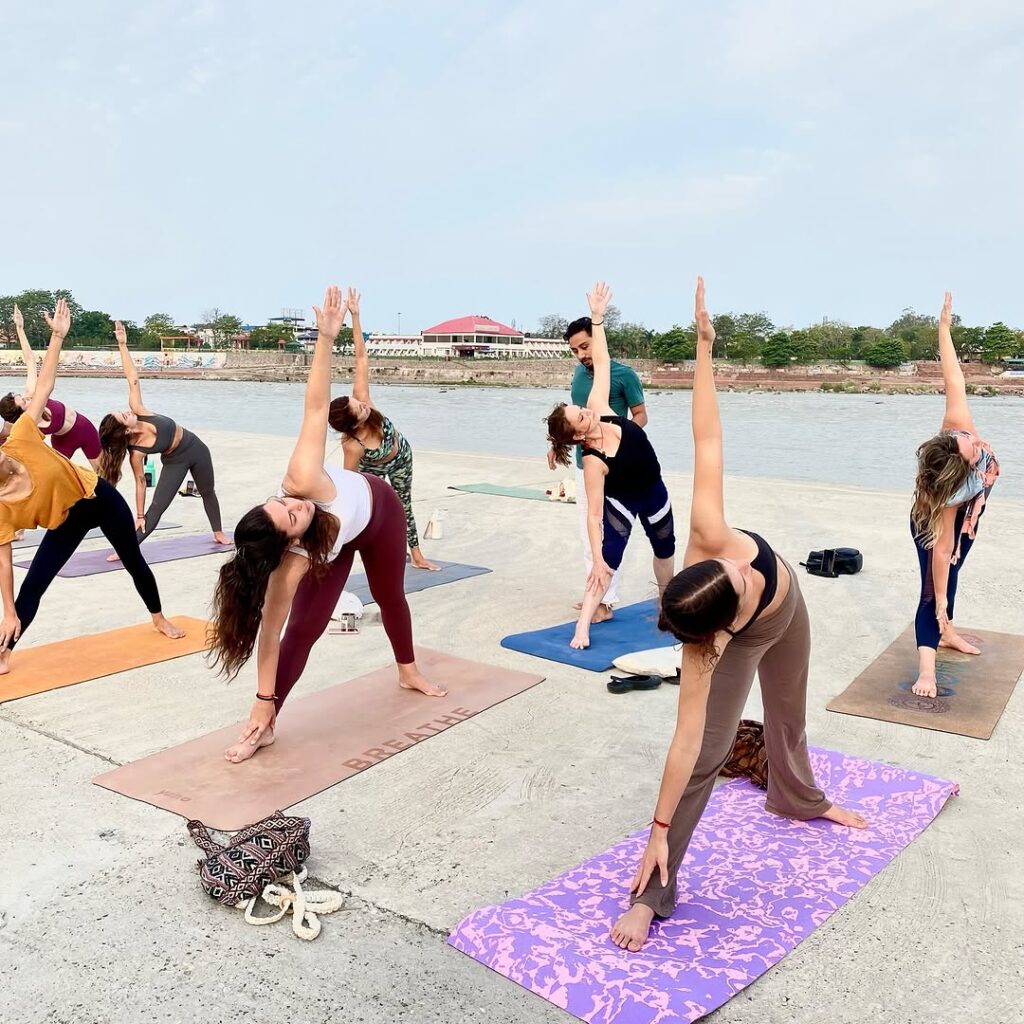
Large group yoga sessions are held in open public spaces, parks, beaches, stadiums, heritage sites, riverbanks, and town squares. People of all ages and fitness levels come together and practice as one.
2. Workshops and Seminars
Yoga schools, colleges, hospitals, and community centers organize workshops and awareness programs. Beginners get to learn the basics while regular practitioners get a chance to go deeper into their practice.
3. Online Yoga Programs
Since 2020, online yoga sessions and live-streamed classes have become a big part of Yoga Day, making it possible for anyone, anywhere in the world, to join and participate.
4. Government-Led Events
In India, the Ministry of AYUSH promotes the Common Yoga Protocol (CYP) — a set yoga sequence practiced across thousands of locations in the country and at Indian embassies around the world.
5. Institutional Participation
Schools, workplaces, hospitals, and public organisations actively take part in Yoga Day. In some regions, defence forces and correctional institutions also organise yoga programs as part of their wellness efforts.
What Is the Importance of International Yoga Day?
1. Global Awareness
Every year, International Yoga Day brings the world’s attention to something truly valuable: the physical, mental, and spiritual benefits of yoga.
2. Promotion of Health
This day encourages people everywhere to step back from their busy lives and choose better health.
3. Unity and Peace
When people from different countries, cultures, and backgrounds come together on one day to practice yoga, something powerful happens: a genuine feeling of unity and peace takes its place.
4. Promotes Overall Health
Yoga is not a single-dimensional practice. By bringing together physical movement, breath control, and meditation, it takes care of the whole person, body, mind, and soul, all at once.
5. Improves Mental Health
Stress, anxiety, and depression are real struggles for millions of people today. Yoga directly addresses all of these, sharpening mental clarity, steadying emotions, and giving people a natural and lasting way to feel better from the inside.
6. Creates Job Opportunities
As yoga’s global reach grows year after year, so do the opportunities it creates. Yoga teachers and trained practitioners now have a worldwide platform to share their knowledge, build their careers, and touch lives across borders.
What Were the Major Milestones of International Yoga Day Celebrations?
| Year | Venue | Noble Highlights |
| 2015 | Rajpath, New Delhi | First International Yoga Day celebration. Around 35,985 participants joined the mass yoga session, setting two Guinness World Records. Participants from 192 countries took part in Yoga Day events worldwide. |
| 2016 | Capitol Complex, Chandigarh | Prime Minister Narendra Modi led a mass yoga session attended by around 30,000 participants. |
| 2019 | Ranchi, Jharkhand | Prime Minister Narendra Modi led the national celebration at Prabhat Tara Ground, with over 30,000 participants. |
| 2023 | Surat, Gujarat & United Nations Headquarters, New York | Celebrated under the theme “Yoga for Vasudhaiva Kutumbakam” (One Earth, One Family, One Future). Surat set a new Guinness World Record with approximately 1.53 lakh participants performing yoga together in a single session. |
| 2024 | Srinagar, Jammu & Kashmir | Held at the Sher-i-Kashmir International Conference Centre (SKICC) on the banks of Dal Lake under the theme “Yoga for Self and Society.” The picturesque venue symbolized yoga’s message of harmony between individual well-being and social welfare. |
| 2025 | Visakhapatnam, Andhra Pradesh | Prime Minister Narendra Modi led the 11th International Yoga Day celebrations. Yoga Sangam events were organized across more than 1 lakh locations nationwide, with official reports also highlighting participation at over 3.5 lakh locations across India. |
Practical Ways to Celebrate International Yoga Day
You do not need to attend a large event to mark 21 June meaningfully. Here are genuinely useful ways to participate:
1. Start with Pranayama
Begin your morning by sitting quietly and breathing slowly for 10 to 15 minutes. Two easy breathing techniques to try are Anulom Vilom and Bhramari. Both are simple to learn and help calm the mind quickly.
2. Attend a Yoga Class
Many yoga schools and apps offer free classes on 21 June. If you have never tried yoga before, this is the perfect day to start. There is no pressure and no experience needed.
3. Sit for Meditation
Find a quiet spot, sit comfortably, close your eyes, and focus on your breath for 10 to 15 minutes. Done regularly, meditation reduces stress, lowers blood pressure, and helps you feel more balanced emotionally. Even a short daily practice makes a real difference over time.
4. Read a Yoga Text
Two books worth picking up:
- Yoga Sutras of Patanjali, written around 2,000 years ago, it covers the complete science of yoga and its eight limbs
- Bhagavad Gita — explores yoga as a path of action, devotion, and self-understanding
Reading even one chapter on Yoga Day opens up a side of yoga that physical practice alone cannot give you.
5. Introduce Someone Else to Yoga
Show a friend or family member a few simple poses or a breathing exercise. Share what yoga has done for you personally. Teaching someone else is one of the best ways to deepen your own understanding.
6. Practice Gratitude
After your yoga or meditation session, take a few quiet minutes to think about what you are thankful for, a good meal, a person who cares for you, a body that lets you breathe and move. Make this a daily habit. When you train your mind to notice what is good, stress loses its grip, your mood lifts, and a little more happiness finds its way into everyday life.
7. Commit to One Healthy Change
Use 21 June as a starting point, drink more water, reduce screen time before bed, spend 20 minutes walking in nature, or eat one extra vegetable per day. Small, consistent changes lead to lasting results.
How Rishikul Yogshala Rishikesh Celebrates International Yoga Day?
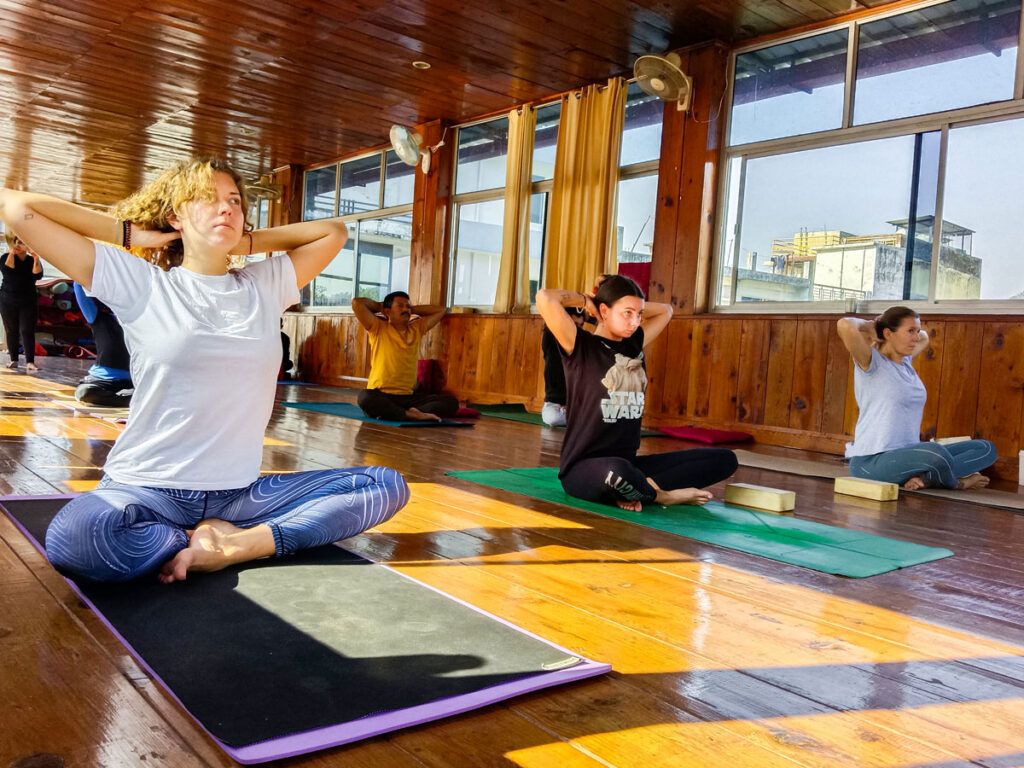
International Yoga Day is one of the most-awaited days at Rishikul Yogshala Rishikesh. Every year on 21 June, students and teachers come together to celebrate yoga and its timeless teachings.
Starting the Day with the Global Yoga Community
The day begins early with large public yoga gatherings at some of Rishikesh’s most well-known spiritual spots, including Parmarth Niketan. Students from yoga schools across the city gather in one place to practice together, creating a real sense of togetherness and shared purpose. For Rishikul Yogshala students, it is a special chance to join group yoga sessions, alignment workshops, and guided practices near the sacred Ganga River.
Yoga and Wellness Activities
After the public events, students carry the celebration forward through activities rooted in traditional yogic living:
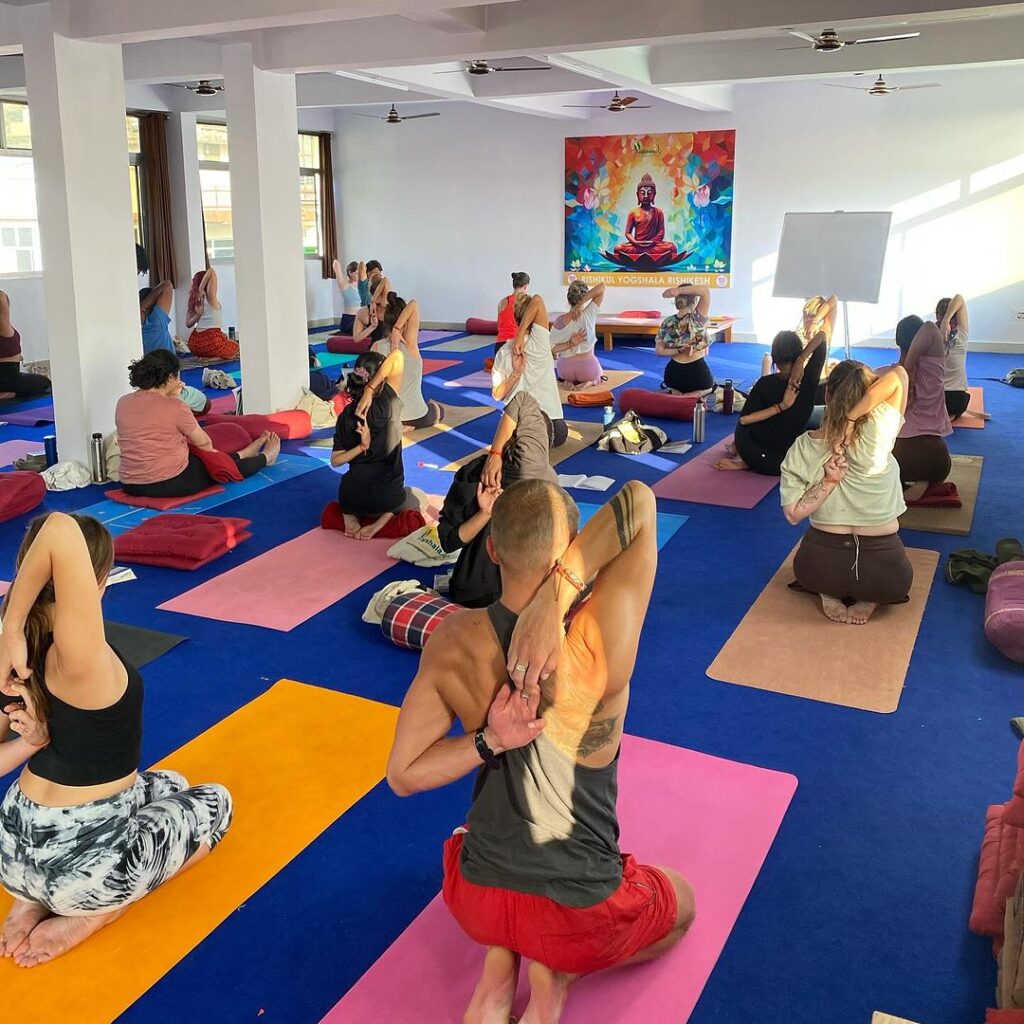
- Asana, Pranayama, and Meditation: Group practice sessions that go beyond physical postures, connecting breath, movement, and awareness
- Yoga Philosophy and Satsang: Teachers lead open discussions on yogic principles and how to apply them in daily life
- Community Gatherings: Students and teachers sit together, share their experiences, and celebrate yoga as one family
For students in the 200-Hour, 300-Hour, and 500 Hour Yoga Teacher Training Course in Rishikesh, this day is an important part of their learning. It takes yoga beyond the classroom and shows them how this practice has the power to bring people together across cultures and backgrounds.
Also Read: Visiting Rishikesh in June: A Gentle Guide to International Yoga Day and the Edge of Monsoon
Final Words
International Yoga Day, celebrated every year on 21 June, is far more than an annual event. It is a global reminder that every human being, regardless of where they live or who they are, shares the same need for health, stillness, and connection, and yoga offers a practical, time-tested path to all three.
Whether you are stepping onto your mat for the very first time on 21 June, joining a community event, or deepening your practice at a certified school in Rishikesh, you are part of something that crosses every border.
Frequently Asked Questions
1. When was International Yoga Day first celebrated?
The first International Yoga Day was celebrated on 21 June 2015 at Rajpath, New Delhi, where PM Modi led 35,985 participants from 84 nationalities, setting two Guinness World Records on Day One.
2. Who proposed International Yoga Day?
Indian Prime Minister Narendra Modi proposed it at the United Nations General Assembly on 27 September 2014. The resolution was adopted by 177 co-sponsoring countries in just 90 days, the fastest adoption of any UN resolution in history.
3. Why is Yoga Day celebrated on 21 June?
21 June is the Summer Solstice, the longest day of the year in the Northern Hemisphere. It holds deep significance in yogic tradition, as it is believed to be the day Adiyogi (Lord Shiva) began transmitting the knowledge of yoga to the seven sages (Saptarishis). Many cultures also associate this day with renewal and transformation.
4. How many countries participate in International Yoga Day?
More than 190 countries take part in International Yoga Day celebrations every year, making it one of the most widely observed days in the UN calendar.
5. What was the theme for Yoga Day 2025?
The theme for 2025 was “Yoga for One Earth, One Health” — announced by PM Narendra Modi during his Mann Ki Baat address on 30 March 2025. It highlights that personal well-being and the health of the planet are deeply connected.
6. What is the theme for International Yoga Day 2026?
The official theme for International Yoga Day 2026 is “Yoga for Healthy Ageing”, announced by the Ministry of Ayush. The theme highlights yoga’s expanding role in promoting physical, mental, and emotional resilience as global life expectancies continue to climb. The announcement was made by Union Minister of State for Ayush, Prataprao Jadhav, during the Yoga Mahotsav 25-Day Countdown to IDY 2026, held at the Khajuraho group of monuments.
7. Where will International Yoga Day 2026 be celebrated in India?
The main celebration of IDY 2026 will be held in Kolkata, West Bengal, on 21 June, organised in partnership with the Morarji Desai National Institute of Yoga (MDNIY) and the Ministry of Ayush.
8. How can I participate in International Yoga Day 2026?
You can participate in several ways: attend a free public yoga session in your city, join an online live-streamed class, practice at home with your family, or enrol in a yoga workshop at a local school or community centre. In Rishikesh, events are organised at prominent spiritual locations along the Ganga, including gatherings in which yoga schools like Rishikul Yogshala actively participate.
9. What is the Common Yoga Protocol (CYP)?
The Common Yoga Protocol is a standard yoga sequence developed by India’s Ministry of AYUSH. It is practiced across thousands of locations in India and at Indian embassies worldwide on International Yoga Day. It is designed to be suitable for all age groups and fitness levels.
10. Is International Yoga Day a public holiday?
No, 21 June is not a public holiday in India or in most countries. It is an international observance day declared by the United Nations, meant to encourage participation and awareness rather than a day off work.
11. What Guinness World Records have been set on International Yoga Day?
The first Yoga Day in 2015 set two records: the largest yoga class at a single venue (35,985 participants) and the most nationalities practicing yoga together (84). In 2023, Surat broke a new record with approximately 1.53 lakh participants performing yoga together in a single session.
12. What is the difference between International Yoga Day and World Yoga Day?
They refer to the same day, 21 June. “International Yoga Day” is the official UN name. “World Yoga Day” is a term sometimes used informally in media and everyday conversation.
13. What does “Adiyogi” have to do with International Yoga Day?
In yogic tradition, Adiyogi — Lord Shiva — is considered the first yogi and the source of all yogic knowledge. It is believed that on the day of the Summer Solstice, he turned south (a position called Dakshinayana) and began transmitting yoga to the Saptarishis. This ancient story is one of the reasons 21 June was chosen as the date for International Yoga Day.
14. Can beginners participate in International Yoga Day events?
Absolutely. International Yoga Day events are designed for everyone — no experience or flexibility is required. The Common Yoga Protocol used at most public events includes simple postures and breathing exercises that any beginner can follow comfortably.
15. How is International Yoga Day different from a regular yoga class?
A regular yoga class is a personal or group practice. International Yoga Day is a global movement — millions of people across 190+ countries stepping onto their mats on the same morning, united by the same intention. It is less about the postures and more about the collective reminder that health, stillness, and connection are needs every human being shares.
This article is for general information and is not medical advice. If you have a respiratory or heart condition, are pregnant, or are unsure whether these practices suit you, please speak to your doctor before beginning.

 +91-8433225327,
 Rishikul Yogshala Rishikesh, Narayan Kunj, Jonk Village, Ram Jhula, Swarg Ashram, Rishikesh, Uttarakhand 249304
 By Airway
 By Railway
 By Bus/Cabs