








Ten Gentle Yoga Poses for Stress and Anxiety: A Kind Guide for Hard Days
Table of Contents
- 10 Best Yoga Poses for Anxiety and Stress Relief
- Yoga for Anxiety
- 1. Child’s Pose (Balasana)
- 2. Corpse Pose (Savasana)
- 3. Bridge Pose (Setu Bandhasana)
- Yoga Poses for Depression
- 4. Legs Up the Wall Pose (Viparita Karani)
- 5. Extended Puppy Pose (Uttana Shishosana)
- 6. Cat-Cow Pose (Marjaryasana–Bitilasana)
- Best Yoga Poses for Stress and Anxiety
- 7. Tree Pose (Vrksasana)
- 8. Hero Pose (Virasana)
- 9. Warrior Pose II (Virabhadrasana II)
- 10. Seated Forward Bend (Paschimottanasana)
- Conclusion
- FAQ – Stress and Anxiety Relief through Yoga Poses
- Q1. Can yoga really help with anxiety and stress?
- Q2. Which yoga poses are best for anxiety relief?
- Q3. How often should I practise yoga for anxiety?
- Q4. How quickly does yoga reduce anxiety?
- Q5. Is breathing important in yoga for anxiety?
- Q6. Can yoga replace medication for anxiety?
- Q7. What time is best to practise yoga for stress relief?
- Q8. Are there any precautions while doing yoga for anxiety?
- Q9. What makes yoga different from other exercises for anxiety?
- Q10. Can beginners do yoga for anxiety at home?
10 Best Yoga Poses for Anxiety and Stress Relief
Stress and anxiety often live in the body before they’re named in the mind — a tight chest, shallow breath, shoulders climbing toward the ears. Yoga doesn’t push these feelings away. Instead, it gives the body somewhere to soften, somewhere to rest, somewhere to breathe more deeply. In this guide, we’ll meet ten gentle yoga poses for stress and anxiety — the kind you can return to on the hardest days.
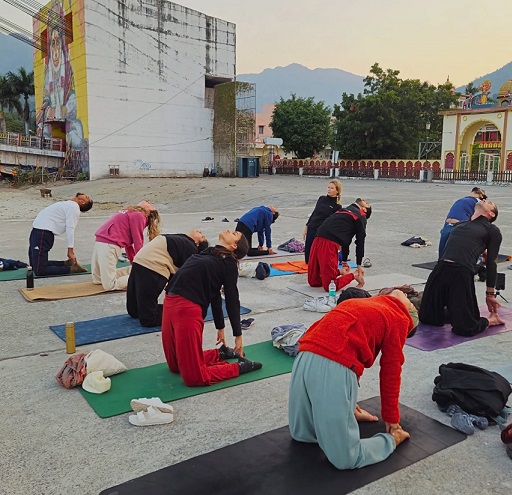
Yoga for Anxiety
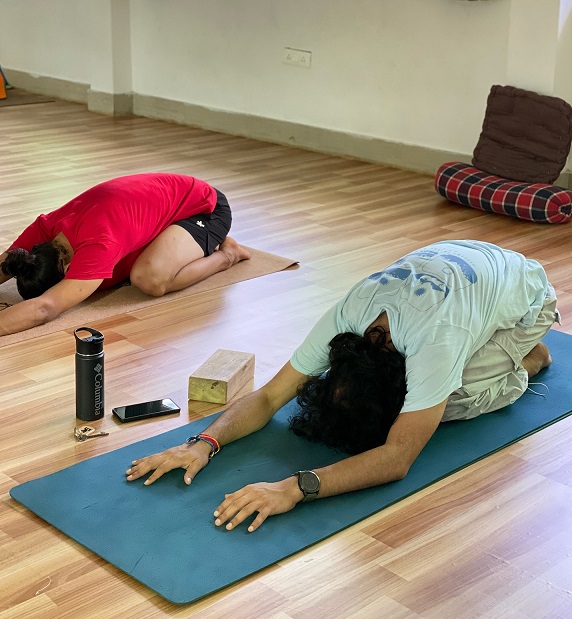
1. Child’s Pose (Balasana)
Balasana is the first place most yoga teachers send an anxious student, and for good reason. This pose immediately creates a sense of physical safety. The forward fold quiets the mind, the forehead touching the ground encourages a natural withdrawal of the senses, and the elongation of the spine releases held tension in the lower back. This is one of the best yoga for anxiety disorders.
How to practise:
• Begin by kneeling on your mat with your big toes touching and knees spread hip-width apart or wider
• Sit back towards your heels, then slowly walk your arms out in front of you
• Let your forehead rest gently on the mat
• Allow your chest to release downward with each exhale
• Stay here for 1 to 3 minutes, breathing slowly and deeply into the back body
Why it works: The compression of the abdomen against the thighs stimulates vagal tone, while the grounding of the forehead sends a calming signal to the nervous system.
2. Corpse Pose (Savasana)
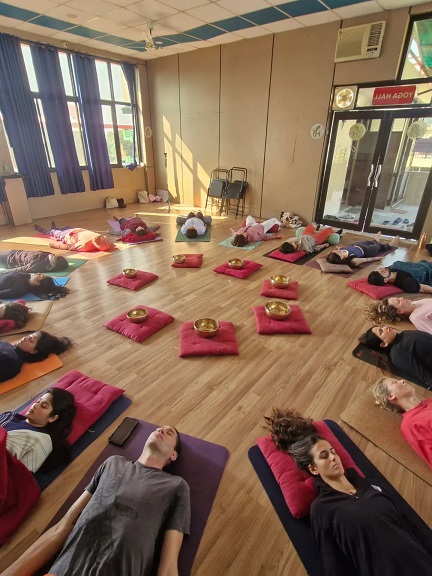
Savasana is often called the most important yoga pose — and the hardest. Lying completely still and surrendering conscious effort is far more challenging than any arm balance. Yet it is in this stillness that the body integrates all the work of the preceding postures and the nervous system fully resets.
How to practise:
• Lie flat on your back with legs slightly apart and arms resting away from the body
• Turn palms to face upward and close the eyes
• Allow the feet to fall open naturally
• Consciously soften each part of the body from the toes upward
• Let the breath return to its natural rhythm without any control
• Remain here for 5 to 15 minutes
Why it works: Savasana is where the parasympathetic nervous system consolidates its response. Skipping it is like charging a phone for two minutes — the real benefit comes from giving the body sufficient time to complete the process.
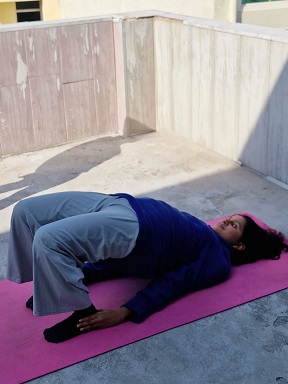
3. Bridge Pose (Setu Bandhasana)
Bridge Pose is both energising and calming — an unusual combination that makes it particularly useful when anxiety is layered with fatigue. It opens the chest, strengthens the back, and activates both the nervous and endocrine systems in a gentle, controlled way.
How to practise:
• Lie flat on your back with knees bent and feet flat on the floor, hip-width apart
• Place arms alongside the body with palms facing downward
• On an exhale, press firmly through your feet and lift your hips off the floor
• Gently squeeze the shoulders together beneath you to lift the chest
• Engage the legs, glutes, and Mula Bandha (root lock) to stabilise the pose
• Hold for 4 to 8 breaths, then slowly lower the spine vertebra by vertebra on an exhale
Why it works: The gentle chest opening counteracts the collapsed, protective posture that often accompanies anxiety, while the inversion of the hips above the heart has a mildly calming effect on the cardiovascular system. This is one of the best yoga for anxiety disorders.
Yoga Poses for Depression
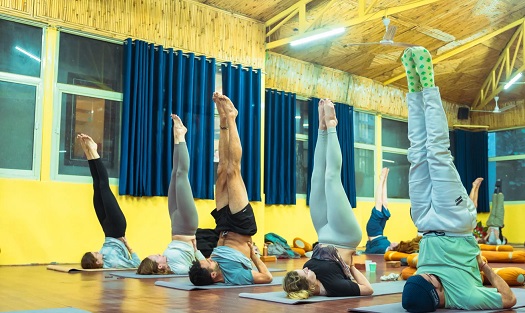
4. Legs Up the Wall Pose (Viparita Karani)
Viparita Karani is one of the most restorative postures in the entire yoga canon. It requires no flexibility, no strength, and very little effort, which makes it ideal when anxiety has depleted your energy.
How to practise:
• Sit sideways close to a wall
• Swing your legs up the wall as you lower your upper body to the floor
• Position your buttocks as close to the wall as is comfortable
• Rest your arms out to the sides with palms facing upward
• Close your eyes and let your body be completely supported
• Remain here for 5 to 15 minutes
Why it works: This gentle inversion improves venous return, reduces the heart rate, and creates an immediate shift from sympathetic to parasympathetic dominance. It is particularly effective for anxiety that comes with physical restlessness.
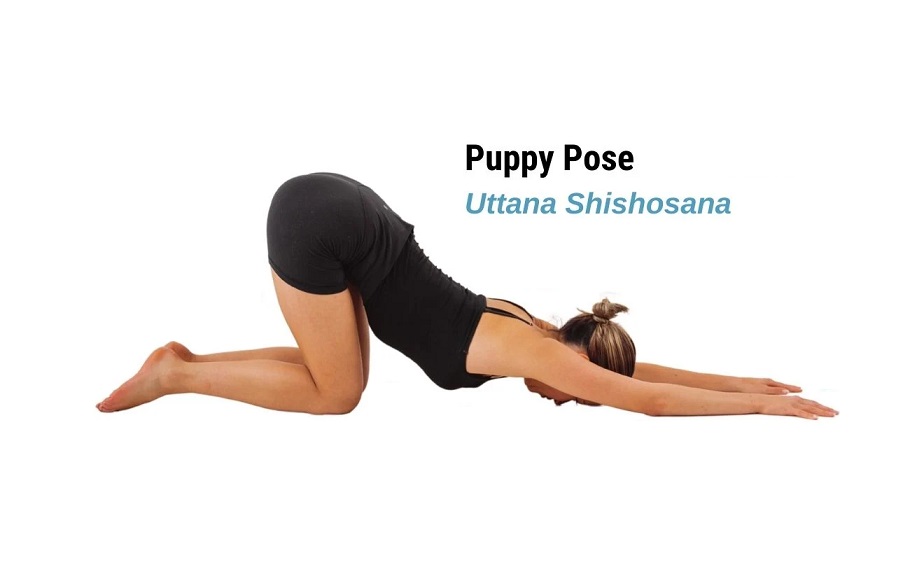
5. Extended Puppy Pose (Uttana Shishosana)
A hybrid between Child’s Pose and Downward Dog, this pose releases the upper back and shoulders — areas where anxiety tends to accumulate as tension. It also energises the body mildly, making it useful when anxiety is paired with low energy.
How to practise:
• Begin on all fours in a tabletop position
• Walk your hands forward while keeping your hips above your knees
• Allow your chest to drop toward the floor and your forehead to rest on the mat
• Keep your elbows lifted off the ground
• Breathe into the upper back and let the chest soften with each exhale
• Hold for 1 to 2 minutes
Why it works: The stretch along the thoracic spine and the shoulder girdle directly releases the muscular holding patterns created by chronic tension and screen-forward posture.
6. Cat-Cow Pose (Marjaryasana–Bitilasana)
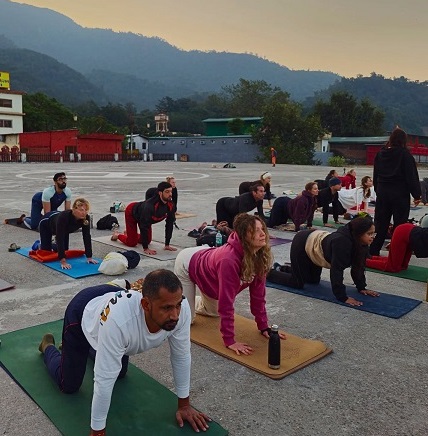
Cat-Cow is a gentle, rhythmic movement that connects breath with motion. It is often used at the beginning of a practice to release stiffness from the spine and bring awareness inward. For those experiencing anxiety, this flowing sequence helps regulate breathing and creates a calming, meditative effect on the mind.
How to practise:
• Begin on your hands and knees in a tabletop position, with wrists under shoulders and knees under hips
• As you inhale, drop your belly toward the mat, lift your chest and tailbone upward (Cow Pose)
• As you exhale, round your spine toward the ceiling, drawing your chin toward your chest (Cat Pose)
• Continue moving slowly between these two shapes, syncing each movement with your breath
• Keep your movements smooth and controlled, without forcing the stretch
• Repeat for 1 to 3 minutes, maintaining steady, deep breathing
Why it works: The coordinated movement of breath and spine helps calm the nervous system. It releases tension stored in the back and neck while encouraging mindful breathing, which naturally reduces anxiety.
Best Yoga Poses for Stress and Anxiety
7. Tree Pose (Vrksasana)
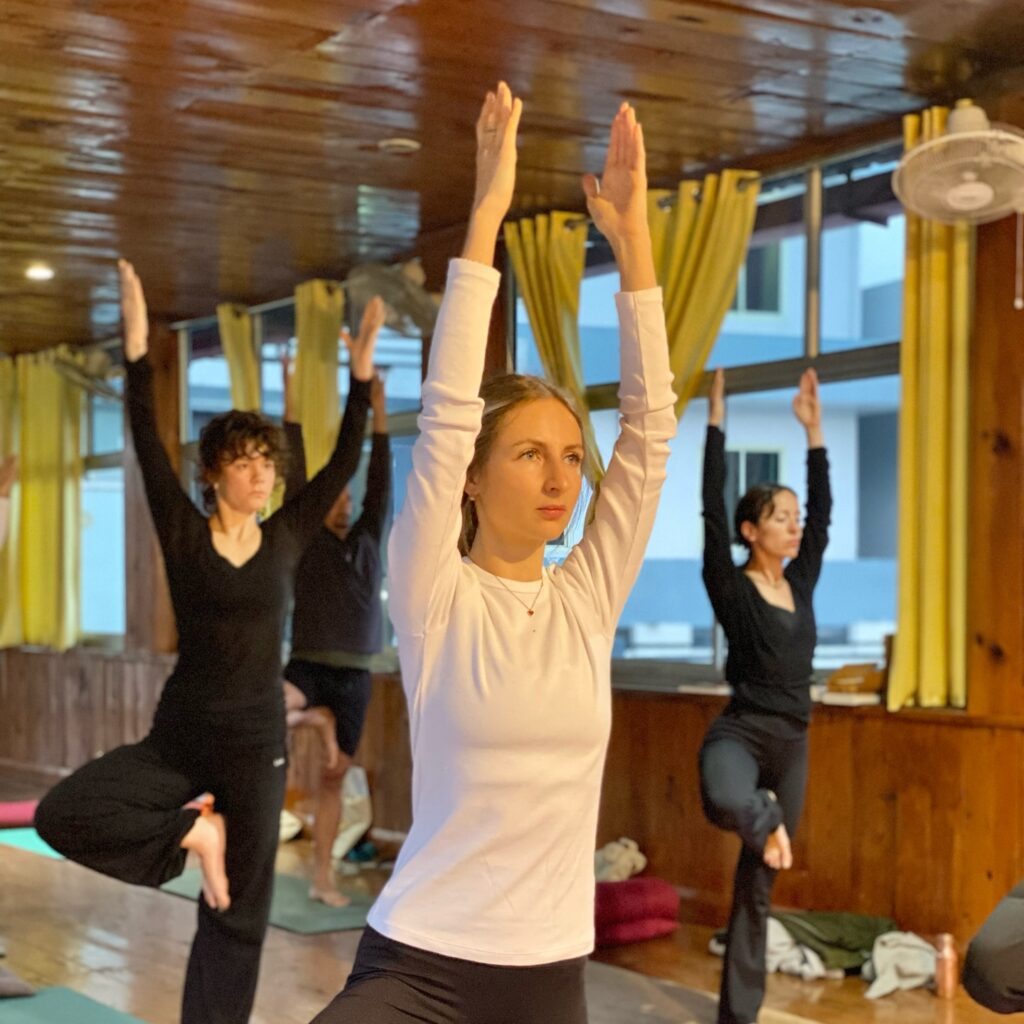
Balance postures work on anxiety in a unique way: they demand complete present-moment focus. When you are balancing on one foot, your mind simply cannot be elsewhere. This enforced presence is one of the most effective short-term interruptions to anxious thought spirals.
How to practise:
• Stand tall and shift your weight onto your right foot
• Slowly lift your left foot and place it on your inner right calf, thigh, or ankle — avoid the knee
• Bring hands to prayer position at the chest or extend them overhead
• Fix your gaze on a still point (drishti) at eye level
• Hold for up to 2 minutes, then switch sides
Modification: If balance is challenging, keep the lifted toe on the floor for support. Even a light touch is enough to shift weight and benefit.
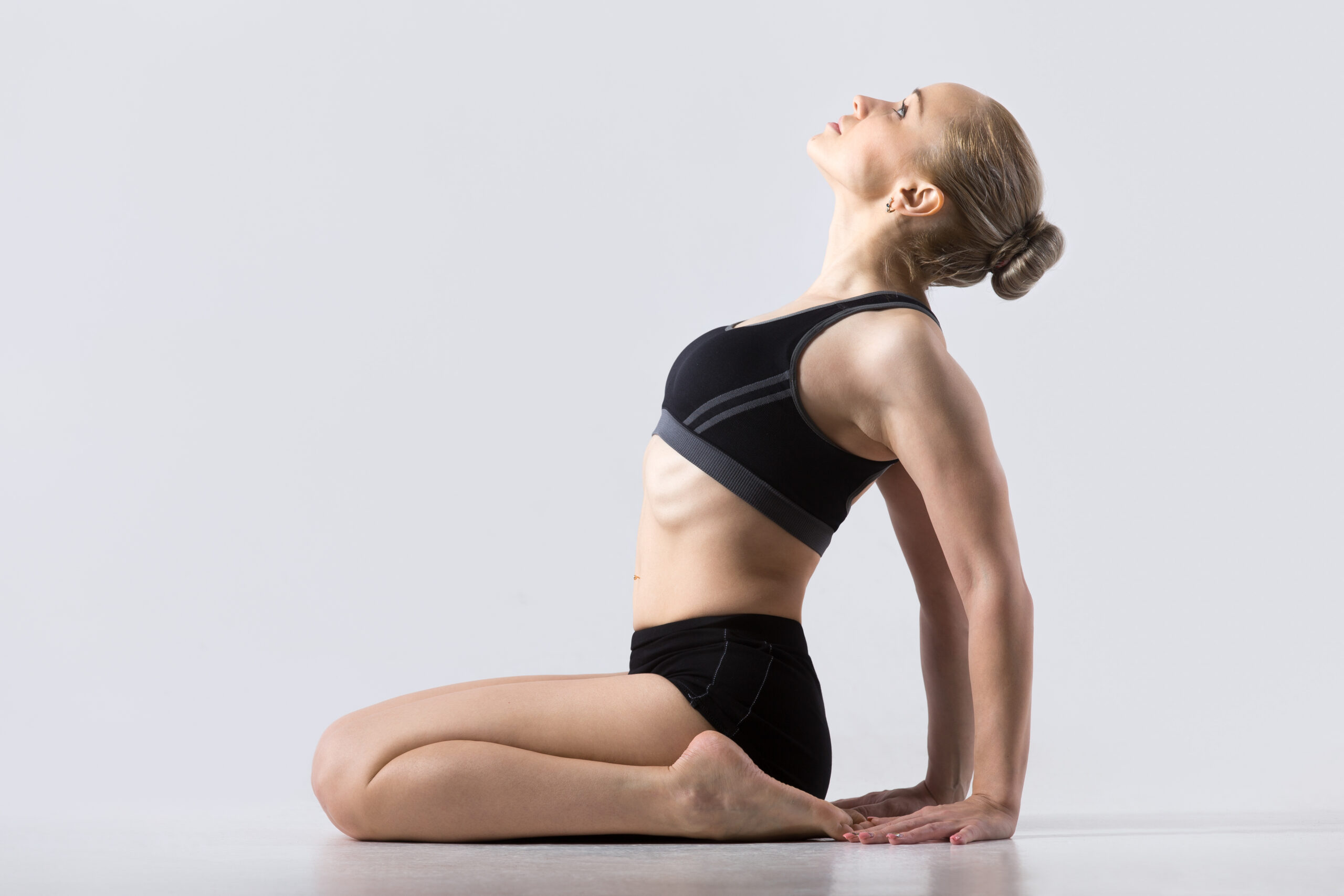
8. Hero Pose (Virasana)
Hero Pose teaches you to be still and present — arguably the most important skill for managing anxiety. Sitting in this grounded position and focusing entirely on the breath anchors the wandering mind.
How to practise:
• Kneel on the mat with feet slightly wider than hip-width apart
• Lower your seat between your feet (use a block or folded blanket if the seat does not reach the floor)
• Rest your hands on your thighs and sit tall
• Draw the shoulders back and breathe into the chest
• Focus entirely on the natural rhythm of the breath
• Hold for 2 to 5 minutes
Why it works: The upright seated position facilitates deeper diaphragmatic breathing, and the physical stillness creates a container for the mental stillness that anxious minds crave but rarely experience.
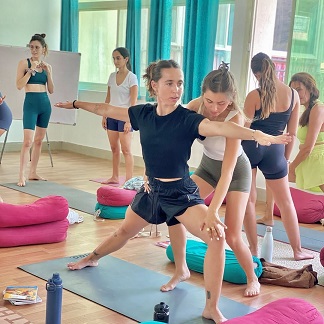
9. Warrior Pose II (Virabhadrasana II)
Warrior II is a strong, grounding posture that builds both physical stability and mental focus. During moments of stress or overwhelm, this pose helps you feel more rooted and present. It encourages strength, confidence, and a steady mind.
How to practise:
• Stand tall and step your feet about 3 to 4 feet apart
• Turn your right foot outward and slightly angle your left foot inward
• Bend your right knee so it stacks above your ankle
• Extend both arms out to the sides, parallel to the floor
• Keep your gaze softly focused over your front fingertips
• Engage your legs and core while keeping your shoulders relaxed
• Hold for 5 to 10 breaths, then switch sides
Why it works: This pose builds a sense of grounding and inner strength. The steady gaze (drishti) improves concentration, while the strong stance helps reduce feelings of restlessness and instability often linked to anxiety.
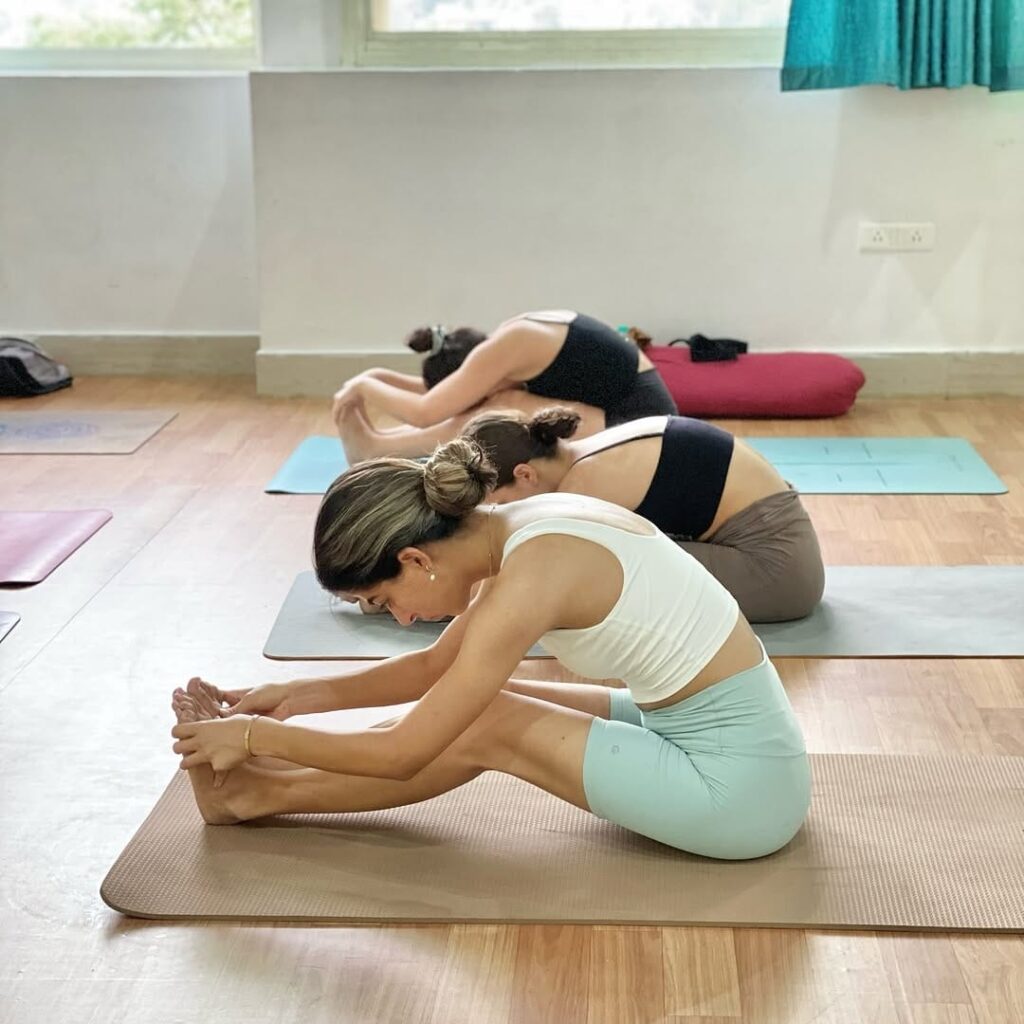
10. Seated Forward Bend (Paschimottanasana)
Seated Forward Bend is a deeply calming posture that encourages introspection and relaxation. Forward folds are known for their soothing effect on the nervous system, making this pose especially helpful when the mind feels overactive.
How to practise:
• Sit with your legs extended straight in front of you
• Inhale and lengthen your spine upward
• As you exhale, hinge forward from your hips, reaching toward your feet
• Hold your shins, ankles, or feet—wherever is comfortable
• Allow your head and neck to relax completely
• With each breath, gently deepen the fold without strain
• Stay in the pose for 1 to 3 minutes, breathing slowly
Why it works: The forward folding action quiets the mind and stretches the entire back body. It also stimulates the parasympathetic nervous system, which helps the body shift into a state of rest and calm.
These yoga poses are taught in depth at Rishikul Yogshala Rishikesh as part of the 200 hour Yoga Teacher Training Course in Rishikesh.
Conclusion
Anxiety and stress have quietly become a part of everyday life, but they don’t have to control how you feel. Sometimes, the most effective support comes from slowing down and reconnecting with your breath and body. Yoga offers that space — a way to pause, release tension, and bring your mind back to a place of calm.
The poses shared above are simple, but their impact can be deep when practised with awareness. You don’t need a perfect routine or long sessions. Even a few minutes of gentle movement and mindful breathing can help you feel more balanced and steady.
What matters most is consistency. Listen to your body, move at your own pace, and allow your practice to be a quiet time for yourself. Over time, you may notice not just physical relaxation, but also a calmer, more grounded state of mind.
FAQ – Stress and Anxiety Relief through Yoga Poses
Q1. Can yoga really help with anxiety and stress?
Ans: Yes, regular yoga practice can help calm the mind and reduce anxiety. It works by slowing down the breath, relaxing the body, and bringing your focus to the present moment. Over time, this helps reduce overthinking and improves emotional balance.
Q2. Which yoga poses are best for anxiety relief?
Ans: Some of the most effective poses include Child’s Pose, Cat-Cow, Forward Bends, Legs-Up-the-Wall, and Seated poses. These postures gently relax the nervous system and help release tension stored in the body.
Q3. How often should I practise yoga for anxiety?
Ans: Yes, beginners can easily start at home with simple poses. Choose a quiet space, move slowly, and focus on your breathing. There is no need to push your body—gentle practice works best for anxiety relief.
Q4. How quickly does yoga reduce anxiety?
Ans: Some people feel calmer after just one session, especially with breathing and relaxation poses. However, long-term benefits usually come with consistent practice over weeks.
Q5. Is breathing important in yoga for anxiety?
Ans: Breathing is one of the most important parts. Slow, deep breathing signals the body to relax and helps reduce stress levels naturally. It also improves focus and emotional control.
Q6. Can yoga replace medication for anxiety?
Ans: Yoga can support mental health, but it should not replace medical treatment without professional advice. It works best as a complementary practice alongside proper care and guidance.
Q7. What time is best to practise yoga for stress relief?
Ans: Morning practice helps set a calm tone for the day, while evening practice helps release built-up stress. Choose a time that fits your routine so you can stay consistent.
Q8. Are there any precautions while doing yoga for anxiety?
Ans: Avoid forcing any pose or holding your breath. If a posture feels uncomfortable or increases anxiety, come out of it gently. Always listen to your body and practise at your own pace.
Q9. What makes yoga different from other exercises for anxiety?
Ans: Unlike regular workouts, yoga combines movement, breath, and awareness. This combination not only relaxes the body but also helps manage thoughts and emotions more effectively.
Q10. Can beginners do yoga for anxiety at home?
Ans: Yes, beginners can easily start at home with simple poses. Choose a quiet space, move slowly, and focus on your breathing. There is no need to push your body—gentle practice works best for anxiety relief.
This article is for general information and is not medical advice. If you have a respiratory or heart condition, are pregnant, or are unsure whether these practices suit you, please speak to your doctor before beginning.

 +91-8433225327,
 Rishikul Yogshala Rishikesh, Narayan Kunj, Jonk Village, Ram Jhula, Swarg Ashram, Rishikesh, Uttarakhand 249304
 By Airway
 By Railway
 By Bus/Cabs