








Padahastasana (Hand-to-Foot Pose): A Gentle Guide to Steps, Benefits, and Modifications
Table of Contents
- What Is Padahastasana?
- How to Do Padahastasana?
- Breathing Pattern in Padahastasana Yoga
- 7 Amazing Padahastasana Benefits
- 1. Goodbye, Stiff Hamstrings
- 2. Your Back Finally Gets a Break
- 3. A Natural Stress Reliever
- 4. Stronger Core, Better Posture
- 5. Wrist and Hand Relief
- 6. Boosts Digestion Naturally
- 7. Improves Your Sleep Quality
- Common Mistakes to Avoid
- Beginner Modifications and Props for Hand to Foot Pose
- What is the Difference Between the Padahastasana vs Uttanasana?
- Are There Any Precautions or Contraindications for Practising Padahastasana?
- Follow-Up Poses (Counterposes)
- When and How Often Should You Practise Padahastasana?
- Final Thoughts
- Frequently Asked Questions About Padahastasana
- I cannot touch my feet at all. Can I still practise Padahastasana?
- Q2. How long should I hold Padahastasana?
- Q3. What is the difference between Padahastasana and Uttanasana?
- Q4. Is Padahastasana safe for people with lower back pain?
- Q5. Can I practise Padahastasana every day?
- Q6. Why does my lower back round so much when I fold forward?
We all know that feeling — the end of a long day, when your lower back carries the weight of every hour spent hunched over a screen and your hamstrings feel so tight that even standing up straight feels like an effort. That’s exactly the moment Padahastasana — the Hand-to-Foot Pose — was made for. It’s a deep forward fold that gently lengthens the back of the body and asks the breath to slow. In this guide, we’ll walk through Padahastasana with care, look at modifications for tight hamstrings, and explore when to skip it.
Padahastasana, one of yoga’s most powerful standing forward bend poses, is far more than just a forward fold. Whether you’re a beginner stepping onto the mat for the first time or a seasoned practitioner deepening your Surya Namaskar practice, this ancient Hatha Yoga pose holds transformative potential for your body, mind, and soul.
In this guide, we will explain everything you need to know about Padahastasana pose, from step-by-step instructions to its benefits, common mistakes and precautions.
What Is Padahastasana?
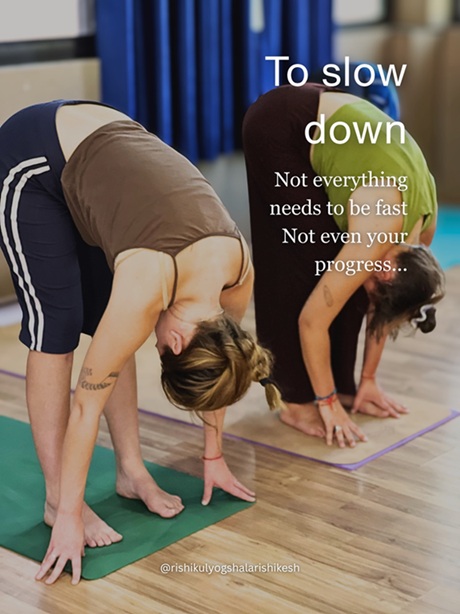
Padahastasana (Hand to foot pose or Hand under Foot pose) is a Sanskrit word composed of three parts, where Pada = Foot, Hasta = Hand, Asana = Posture or Seat. This pose appears as the 3rd and 10th poses in the Surya Namaskar (Sun Salutation) sequence, making it one of the most frequently practised asanas in the world. In traditional Surya Namaskar, the 3rd step represents receiving the sun’s blessings, while the 10th step symbolises bowing before the nurturer of all life — the sun.
How to Do Padahastasana?
Before You Begin
Empty stomach only — mornings are best. Evening practice? Wait 4–5 hours after eating. Warm up for 10 minutes: neck rolls, hip circles, and gentle hamstring stretches.
Step 1 — Stand in Tadasana
Feet together or slightly apart. Weight even on both feet.
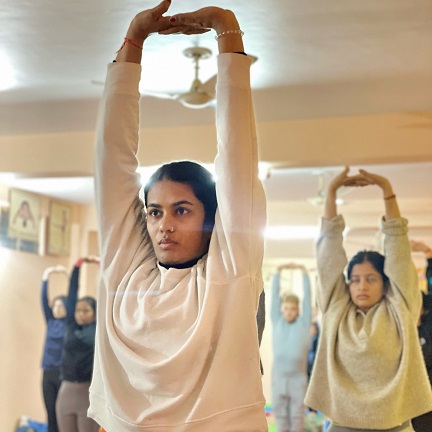
Step 2 — Raise Your Arms Overhead
Arms straight, close to your ears. Feel your spine lengthen from base to fingertips.
Step 3 — Hinge Forward at the Hips
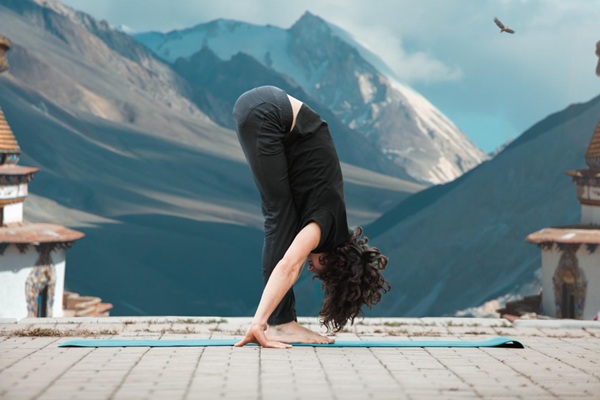
Hinge at the hip joint like a door. Back stays long. Arms, head, and neck hang and relax completely.
Step 4 — Place Your Palms Under Your Feet
Palms face up, fingers pointing toward your heels. Toes should just reach your wrists. Can’t reach yet? Hold your ankles, calves, or shins — perfectly fine.
Step 5 — Work Toward Straight Knees (Gently)
Work towards straight knees, but never force or lock them. A soft bend is fine and much safer.
Step 6 — Hold and Breathe
Engage the core lightly. Let gravity do the work — no forcing. Just breathe and soften.
Step 7 — Stay in the Pose
Beginners: 20–30 seconds. Experienced: up to 1 minute. Inhale to lift and lengthen a little; exhale to sink a little deeper.
Step 8 — Come Back Up Slowly
Exhale and lower your arms. Take a few natural breaths before your next round.
Breathing Pattern in Padahastasana Yoga
Proper pranayama (breath control) is essential to get the full benefit of this pose:
- Inhale while raising the arms overhead
- Exhale as you fold forward – accentuate the abdominal contraction
- Normal breathing (Ucchavasa) while holding the pose — no breath retention
- Inhale as you rise back up to standing
This breathing pattern enhances the internal massage effect on the digestive organs and helps calm the nervous system.
7 Amazing Padahastasana Benefits
1. Goodbye, Stiff Hamstrings
If your legs feel tight after hours of sitting, this pose is made for you. Padahastasana yoga delivers one of the deepest yoga stretches for hamstrings you can get without any equipment. With regular practice, that morning stiffness that slows you down starts to fade, and your legs begin to feel genuinely free and flexible again.
2. Your Back Finally Gets a Break
Think of this pose as a natural decompression for your spine. When you fold forward, each vertebra gently releases the tension that builds up through long hours of sitting, standing, or carrying stress in your body. For anyone dealing with lower back pain, it is one of the simplest and most effective ways to give your back the relief it quietly asks for every single day.
3. A Natural Stress Reliever
There is a reason forward bends are known as calming yoga poses. Padahastasana yoga gently soothes the nervous system, slows the heart rate, and quiets the mental chatter that builds up through the day. Just a few breaths in this pose can shift you from feeling overwhelmed to feeling grounded and calm, making it one of the most accessible yoga poses for stress relief in any practice.
4. Stronger Core, Better Posture
Holding this pose is not passive; your abdominal muscles engage actively to support the fold. Over time, this builds real core strength, which directly improves your posture. A stronger core means less slouching, less back pain, and a body that carries itself with ease and confidence.
5. Wrist and Hand Relief
This is the benefit most people never expect. Because your palms rest flat under your feet, the gentle weight of your body acts like a natural massage for your wrists and hands — releasing tension that accumulates from typing, scrolling, and gripping through the day. For anyone who spends long hours at a desk, this benefit alone makes the pose worth practising.
6. Boosts Digestion Naturally
The gentle compression your abdominal organs experience in this forward fold helps stimulate digestion. Your liver, spleen, and digestive tract get a mild but effective internal massage with every breath. If you often feel bloated or sluggish after meals, a few rounds of Padahastasana are among the most natural yoga poses for digestion you can add to your routine.
7. Improves Your Sleep Quality
When the nervous system is calm, sleep comes more easily. Because Padahastasana yoga has a deeply cooling and settling effect on the mind and body, practising it in the evening can help you unwind, release the tension of the day, and prepare your body for deeper, more restful sleep. It is one of the most underrated calming yoga poses for nighttime use.
Common Mistakes to Avoid
- Bend From the Waist, Not the Hips: The fold must originate at the hip joint. Bending from the waist rounds the lower back excessively and leads to lumbar strain over time.
- Locking or Hyperextending the Knees: Keep the knees “soft” and engaged but not forced straight. Locked knees risk joint injury, especially if your hamstrings are tight.
- Jerking the Body Down: Never force your way into the pose. The descent should be slow, controlled, and guided by your breath, not momentum.
- Holding the Breath: Many beginners unconsciously stop breathing in challenging poses. Steady, normal breathing throughout is not optional — it is what makes the pose work.
- Lifting the Head Up: The head and neck should hang downward naturally. Lifting the head strains the cervical spine and reduces the decompression benefit.
- Shifting Weight Onto the Heels: Balance should be toward the balls of your feet, with the hips lifting upward, not pushing backward.
Beginner Modifications and Props for Hand to Foot Pose
If the full expression is not accessible yet, that is completely normal. Here are some adjustments that allow you to practise safely while still getting all the forward bend yoga benefits:
- Bend your knees slightly to make the forward fold accessible without straining the hamstrings
- Loop a yoga strap around the soles of your feet and hold the ends – same traction, without the overstretch
- Hold the calves or shins instead of placing hands under feet — gradually walk the hands down as you get more flexible
- Place a folded blanket under your heels for extra stability and comfort
- Use yoga blocks on either side of your feet to reduce the distance to the floor
What is the Difference Between the Padahastasana vs Uttanasana?
Many practitioners confuse these two poses, but there is a key distinction:
| Feature | Padahastasana | Uttanasana |
| Hand Position | Palms under the soles of the feet | Hands on the floor or ankles |
| Focus Area | Targets deeper connective tissue and fascia | Focuses on general muscle stretching. |
| Intensity | More Intense | Moderate |
| Difficultly | Intermediate | Beginner-friendly |
| Best For | Deepening hamstrings/spine flexibility. | General forward fold practice |
| Injury Risk | Higher risk if forced without flexibility | Lower risk due to adaptability |
Are There Any Precautions or Contraindications for Practising Padahastasana?
While Padahastasana offers tremendous benefits, it is not suitable for everyone. Exercise caution or avoid this pose entirely if you have the following:
- Severe Back Pain, Herniated Disc, or Sciatica: The forward fold can aggravate these conditions
- High Blood Pressure or Heart Disease: Inversions and increased blood flow to the head can be risky
- Abdominal Hernia: The compression in this pose can worsen hernias
- Recent Abdominal Surgery: The abdominal pressure is contraindicated post-surgery
- Glaucoma or Eye Pressure: The inversion effect can increase intraocular pressure
- Osteoporosis: Especially in older adults, where the hips and spine may be susceptible to fracture
- Pregnancy (second and third trimester): The abdominal compression is inadvisable
- Spinal Injury or Slipped Disc: Avoid entirely without clearance from a medical professional
Follow-Up Poses (Counterposes)
After practising Padahastasana, it is important to gently counter the deep forward fold with the following poses:
- Tadasana: The classic counterpose to neutralise the spine
- Bhujangasana: A gentle backbend to balance the forward fold
- Chakrasana: A deeper backbend for advanced practitioners
- Setubandhasana: A gentle, grounding backbend
It is also recommended to practise Padahastasana yoga after backbending poses like Bhujangasana and Setubandhasana during your yoga session, as this sequence creates a healthy spinal balance.
When and How Often Should You Practise Padahastasana?
- Best Time: Early morning on an empty stomach
- Frequency: Daily practice is ideal; 2–3 rounds per session
- Duration: Hold for 20–30 seconds initially; build up to 60 seconds over time
- Sequence Tip: Practice it as part of Surya Namaskar for maximum holistic benefit
Final Thoughts
Padahastasana yoga is so much more than just bending forward and touching your feet. It is one of those poses that quietly works on multiple levels at once, strengthening your spine, settling your mind, supporting your digestion, and, over time, opening doors to a deeper awareness of yourself.
If you are just starting out, please be kind to yourself. Go only as far as your body comfortably allows today. The yoga for flexibility that everyone seeks does not arrive through force; it arrives through consistency, patience, and breath.
Make it part of your daily yoga sadhana. Practise it with patience, with awareness, and with respect for what your body can do today, and watch how this one timeless standing forward bend yoga pose quietly transforms the way you feel, move, and live.
Frequently Asked Questions About Padahastasana
I cannot touch my feet at all. Can I still practise Padahastasana?
Absolutely, simply bend your knees and hold your calves or shins instead. The pose works beautifully in its modified form, and flexibility follows with consistent practice.
Q2. How long should I hold Padahastasana?
Beginners should aim for 20–30 seconds, gradually building to 60 seconds over time. Never force it; steady breath matters far more than duration.
Q3. What is the difference between Padahastasana and Uttanasana?
In Uttanasana, your hands rest on the floor or legs; in Padahastasana, your palms slide underneath your feet, creating a deeper hamstring stretch and a gentle spinal traction that Uttanasana simply does not offer.
Q4. Is Padahastasana safe for people with lower back pain?
For general tightness, yes, practised gently with soft knees, it actually relieves lower-back tension. However, avoid it entirely if you have a herniated disc, sciatica, or any diagnosed spinal condition.
Q5. Can I practise Padahastasana every day?
Yes, daily practice is actively encouraged, especially as part of your Surya Namaskar routine. Just warm up first and never push beyond your comfortable range.
Q6. Why does my lower back round so much when I fold forward?
Tight hamstrings are almost always the reason they prevent the pelvis from tilting freely, which forces the lower back to compensate. Simply bend your knees more, and the rounding will naturally reduce.
This article is for general information and is not medical advice. If you have a respiratory or heart condition, are pregnant, or are unsure whether these practices suit you, please speak to your doctor before beginning.

 +91-8433225327,
 Rishikul Yogshala Rishikesh, Narayan Kunj, Jonk Village, Ram Jhula, Swarg Ashram, Rishikesh, Uttarakhand 249304
 By Airway
 By Railway
 By Bus/Cabs