








Crown Chakra (Sahasrara): A Gentle Guide to Stillness and Higher Awareness
Table of Contents
- Meaning of Crown Chakra?
- Symbolism and Meaning: The Thousand-Petaled Lotus
- How a Balanced Crown Chakra Feels
- The Blocked vs. Overactive Crown Chakra
- Your Practical Guide to Opening the Crown Chakra
- 1. Crown Chakra Meditation
- 2. Work with Crown Chakra Crystals
- 3. Incorporate Specific Yoga Poses
- 4. Use Essential Oils and Affirmations
- The Crown Chakra’s Role in the Chakra System
- Conclusion: Living in Divine Alignment
At the very top of your head sits the Sahasrara — the crown chakra. It’s the most subtle of the seven and the hardest to describe, because it points to something larger than the everyday self. When it opens, even briefly, life feels quietly connected. In this guide, we’ll explore the crown chakra gently, without rushing into anything mystical, so you can begin to recognise its quiet presence in your own practice.
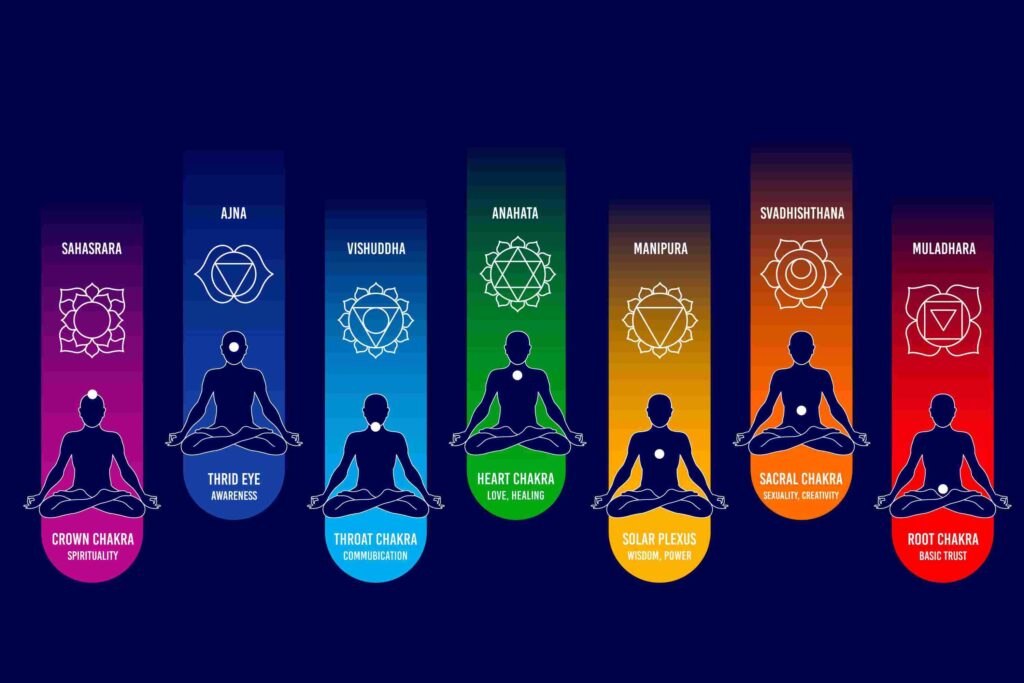
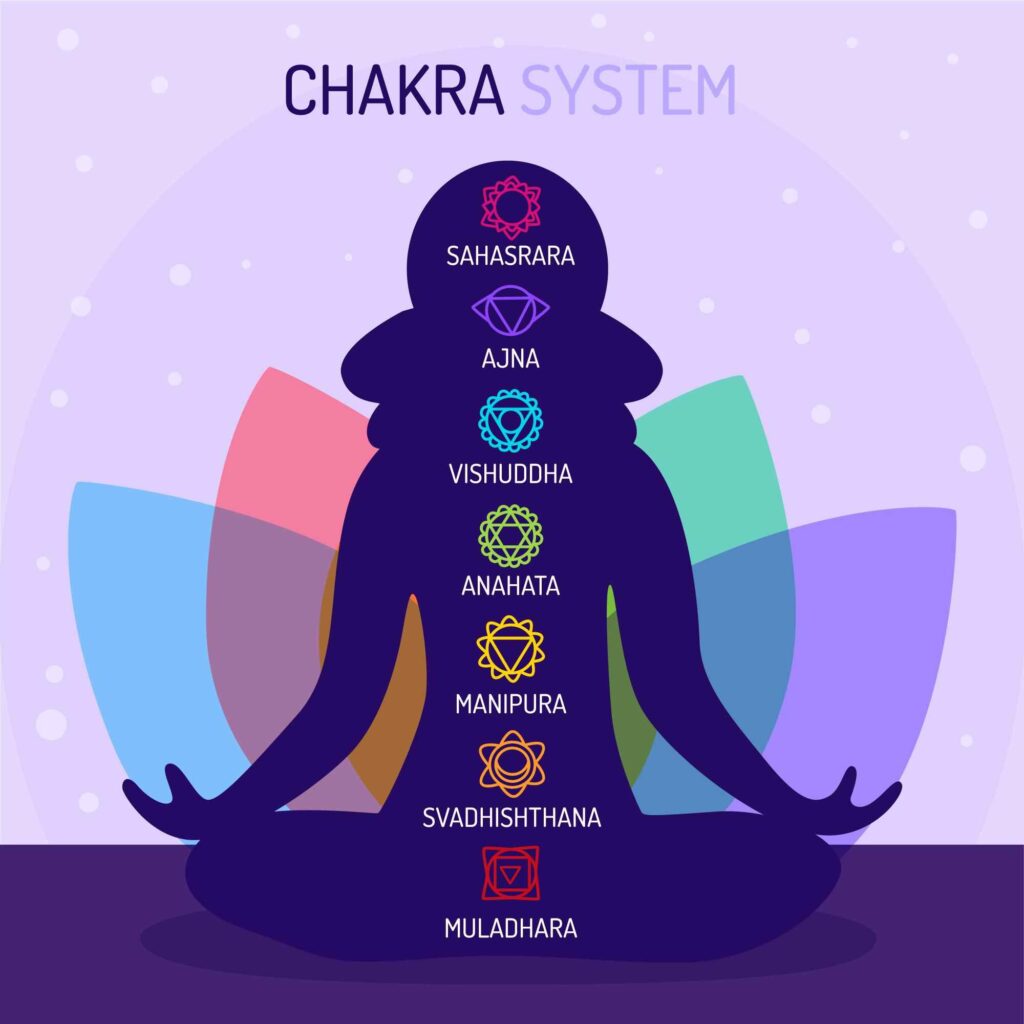
You have probably heard of the chakras—the seven spinning wheels of energy aligned from the base of our spine to the crown of our head. These are the body’s eminent energy centres, which act as transformers, process subtle environmental energy called prana and integrate it into our physical and spiritual being.
When open and balanced, these chakras allow us to perceive ideas and knowledge with greater clarity and purpose. According to vedic philosophies, we have layers of existence, often simplified as:
- The Physical Body and Mind: It is the awareness that works with our physical body.
- The Astral (Subtle) Body and Mind: The consciousness that we experience as emotions and feelings.
- The Causal Body and Mind: The consciousness that is expressed as intelligence and wisdom.
When all chakras function to their highest degree, all the bodies and mind of ourselves harmonise, which unlocks exceptional human potential. This awakening can bring clarity to our existence, helping us understand the meaning of life and our connection to the universe.
Meaning of Crown Chakra?
In sanskrit, the crown chakra is called Sahasrara, which means thousand-petalled. It is the seventh and the highest chakra located at the crown of our head. Sahasrara is considered to be an entrance to the divine and universal consciousness. When it opens and balances, it uplifts you to the state of higher consciousness, deep peace and spirituality. This highest chakra brings all the chakras into an enlightened whole.
Since the chakra is believed to be primarily linked to the pituitary gland and can play a significant role in its activation, the pituitary gland is the master gland of the endocrine system; it regulates major hormones in our bodies. It is a pivotal part of the brain; its proper functioning promotes mood stability and mental and emotional well-being, thus advancing overall brain functioning.
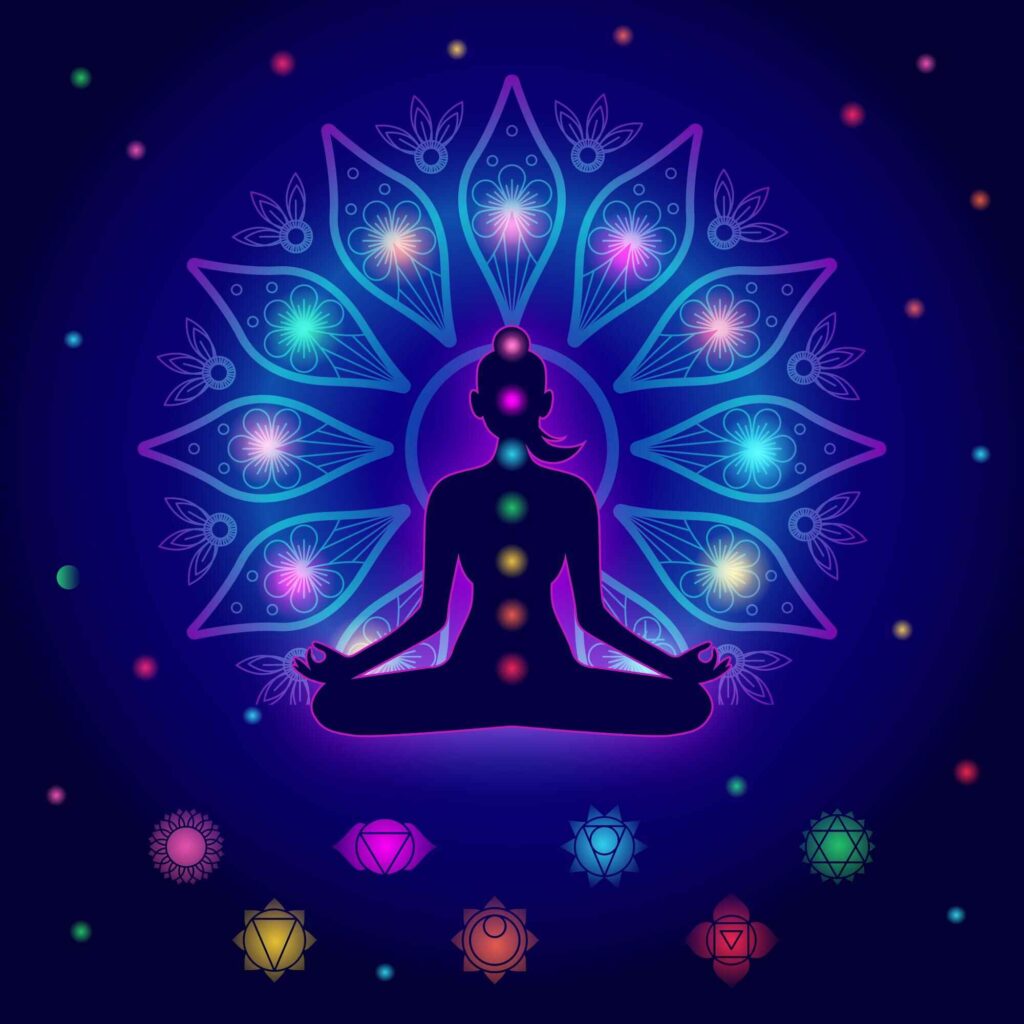
Symbolism and Meaning: The Thousand-Petaled Lotus
The symbol of the Crown Chakra is a bright violet or white lotus with a thousand petals. This beautiful symbol carries deep spiritual meaning.
- The Thousand Petals: Each petal represents growth in awareness. When all petals are open, a person reaches full spiritual enlightenment.
- The Central Circle: Symbolises the full moon, which is believed to be a representation of purity, absoluteness, and the perfectly open and receptive mind.
- The Aum Symbol: It is present in the centre of the crown chakra symbol. This fundamental sound represents the vibrational frequency of the entire Universe, which the Crown Chakra is tuned to receive.
How a Balanced Crown Chakra Feels
An open and balanced crown chakra is the foundation of spiritual well-being. When this energy centre is aligned, it outlines such signs:
Mental & Spiritual Signs:
- One experiences a deep state of inner peace and gains remarkable mental clarity
- You start having a strong intuitive knowing of your life’s purpose
- Feelings of unity and connection with all living beings
- Freedom from rigid, materialistic viewpoints
Physical Signs:
- Restful, restorative sleep
- A natural feeling of energy and good health.
- A healthy, resilient immune system
The Blocked vs. Overactive Crown Chakra
The crown chakra can sometimes get out of balance, either blocked or overactive. When this happens, it can make it harder to think clearly, feel connected, or find purpose in life.
Symptoms of a Blockage:
If your crown chakra is underactive or blocked, you might feel:
- Feeling spiritually lost, negative, or without direction in life.
- Mental fog, confusion, and an inability to focus
- Apathy, depression, or excessive materialism
- Chronic headaches or migraines
Symptoms of an Overactive Chakra:
On the other hand, when the crown chakra is too active, it can cause:
- “Spiritual addiction” means being so focused on spiritual practices that you ignore your everyday duties and responsibilities
- Disconnection from your physical body and the present moment.
- Intellectual arrogance or feeling overwhelmed by complex ideas.
The Greatest Blockage: Attachment
A primary obstacle to a healthy crown chakra is attachment. Having an attachment towards outcomes, identities, and material possessions ties our consciousness to the temporary world that prevents the free flow of divine, universal energy. Letting go is the first step toward opening the crown.
Read More: Solar Plexus Chakra: What It Is and How to Bring It into Balance?
Your Practical Guide to Opening the Crown Chakra
Nurturing your Sahasrara is a gentle, ongoing practice. Here are the most effective ways to begin:
1. Crown Chakra Meditation
This is the most powerful method. Find a quiet space, sit comfortably, and close your eyes.
- Visualising: See the crown chakra’s symbol in its associated colour swirling at the crown of your head.
- Chant OM: Chant OM, which is a seed mantra, and feel the vibration echoing through your head.
- Set a Clear Objective: Say something like, “I am open to learning new things and understanding life more deeply.
2. Work with Crown Chakra Crystals
Crown chakra crystals can help clear blockages and boost your sense of intent. You can keep them by your side while meditating or place them on the top of your head.
- Amethyst: Believed to support spiritual awareness and purification.
- Clear Quartz: Said to be a master healer that amplifies energy and brings mental clarity.
- Selenite: It deepens your connection to the divine light and clears trapped energy.
- Herkimer Diamond: Align yourself with spirituality.
3. Incorporate Specific Yoga Poses
Physical practices improve blood flow, thus helping the cellular system function properly, and support direct energy flow through the crown of our head.
- Headstand (Sirsasana): It directly stimulates the crown chakra.
- Corpse Pose (Savasana): Increases sense perception, acceptance and allows deep integration.
- Tree Pose (Vrikshasana): Promotes balance and symbolises the connection between earth (roots) and sky (crown).
4. Use Essential Oils and Affirmations
- Oils: Diffuse frankincense, sandalwood or lotus to deepen your meditation and create an ideal atmosphere.
- Affirmations: Regularly make positive statements to yourself; it reprograms your brain. Like:
a)“I am connected to the wisdom of the universe, and I am a part of it“
b) “I live by my greatest purpose.”
c) “I let go of attachment and trust the divine flow of life.”
The Crown Chakra’s Role in the Chakra System
Moving through the chakras is like climbing a ladder from the physical to the spiritual state. The crown chakra is the end part of this journey. It cannot be fully opened without building a strong foundation through the lower chakras:
- The Root Chakra (Security) keeps you grounded.
- The Sacral Chakra (Creativity) allows you to flow.
- The Solar Plexus (Desire) gives you personal power.
- The Heart Chakra (Love) connects you with others.
- The Throat Chakra (Truth) allows you to see your true self.
- The Third Eye (Intuition) provides insight and sharpens instincts.
When all these chakras are in harmony, the crown chakra can genuinely be awakened and bring the whole system into a state of enlightenment.
Also Read: What Are The 7 Chakras And Their Connection To Health
Conclusion: Living in Divine Alignment
Activating the crown chakra doesn’t mean distancing yourself from human experience; it is about blessing us with deep meaning, peace, and connection. It is the practice to realise that we are not separate beings alone in this path, but part of a greater universal harmony. By nurturing our Sahasrara chakra, we can step into our true nature and have a profound spiritual experience while fully experiencing the human journey. Start with one practice a day, be consistent, and open yourself to the infinite possibilities that are waiting for you. For guidance and deeper learning, explore more with Rishikul Yogshala Rishikesh.
Frequently Asked Questions
Q1: What is the Crown Chakra?
Ans: The Crown Chakra, or Sahasrara, is the seventh chakra located at the top of the head. It represents spiritual connection, consciousness, and enlightenment.
Q2: What are the signs of a balanced Crown Chakra?
Ans: Clarity of mind, inner peace, spiritual awareness, strong intuition, and a sense of connection with the universe.
Q3: What happens if the Crown Chakra is blocked?
Ans: You may feel disconnected, confused, lack purpose, experience mental fog, or feel spiritually stagnant.
Q4: How can I activate or balance my Crown Chakra?
Ans: Meditation, mindfulness, prayer, yoga, chanting mantras (like “Om”), and spending time in nature can help open the Crown Chakra.
Q5: Which color and element are associated with the Crown Chakra?
Ans: It is associated with the color violet or white and represents the element of thought/energy rather than a physical element.
Q6: Can yoga help with the Crown Chakra?
Ans: Yes, poses like headstands, meditation-focused asanas, and energy-based practices can enhance spiritual awareness and balance this chakra.
Q7: What are the benefits of an open Crown Chakra?
Ans: Greater wisdom, spiritual growth, inner peace, clarity of purpose, and a deeper connection with oneself and the universe.
This article is for general information and is not medical advice. If you have a respiratory or heart condition, are pregnant, or are unsure whether these practices suit you, please speak to your doctor before beginning.

 +91-8433225327,
 Rishikul Yogshala Rishikesh, Narayan Kunj, Jonk Village, Ram Jhula, Swarg Ashram, Rishikesh, Uttarakhand 249304
 By Airway
 By Railway
 By Bus/Cabs