








Meditation for Depression: A Gentle, Honest Guide for Difficult Days
Table of Contents
- How Does Meditation Help With Depression?
- Causes of Depression
- What is Meditation?
- How Does Meditation Help With Depression?
- 6 Key Benefits of Meditation for Depression
- 1. Relaxation and Stress Reduction
- 2. Changing Your Thought Patterns
- 3. Improving Your Focus
- 4. Making Sleep Better
- 5. Connection and Support
- 6. Enhancing Overall Well-being
- Helpful Meditation Tips for Beginners
- 1. Set Aside Some Time
- 2. Find a Comfortable Space
- 3. Bring Mindfulness Into Meditation
- 4. Start Your Meditation
- 5. The Challenge of Focusing the Mind
How Does Meditation Help With Depression?
When depression sits heavy in the body and mind, the idea of meditating can feel like one more thing we’re supposed to do. So let’s be honest from the start: meditation is not a cure for depression. But for many people, it can be a quiet, steady companion through difficult days — a way to soften the harshness of our own thoughts and find small moments of rest. In this guide, we’ll meet meditation gently, look at how it may help, and be clear about when professional support matters more.
Let’s see how meditation and depression go hand in hand.
Causes of Depression
Depression can happen because of many biological factors such as genes, hormonal imbalance, and so on. Many other factors, like stress and overthinking, also lead to depression. One can also say that adverse environmental factors, such as financial troubles and feelings of loneliness, can be a trigger for depression.

What is Meditation?
Meditation is a very powerful tool that creates a positive emotional and mental state. It makes the mind calm and also helps in relaxing the mind from negative thoughts that are negative and not calming. It promotes mindfulness, peace, and gratitude. It helps to reduce emotions like sadness, stress, anxiety, and anger. With meditation, one can see a transformative journey where the person feels livelier, refreshed, and happier.
Some Common Types of Meditation
- Zen Meditation: Here, one focuses on breathing and observing thoughts. This is often associated with Buddhist traditions.
- Mindfulness Meditation: Here, one is aware of one’s thoughts, feelings, and bodily functions without any judgment.
- Guided Meditation: Here, a teacher leads the practitioner through a mindfulness practice session. He/she uses images to guide the experience!
- Loving-Kindness Meditation: Here, one cultivates feelings of compassion and love.
- Transcendental Meditation: This is a mantra-based meditation where the practitioners silently repeat a word or a phrase to reach a state of restful alertness.
How Does Meditation Help With Depression?
Meditation is a very good practice that helps with depression. Many ask, will meditation help depression? And the answer is a definite yes! While meditating, one has to sit quietly, pay attention to their breathing, and also stay in the moment. The main thing in mindfulness is to observe your thoughts without judgement. It allows one to reflect on oneself and discover things that otherwise may not be noticeable! Practice meditation regularly to feel more relaxed, handle tough situations better, and even improve your sleep patterns.
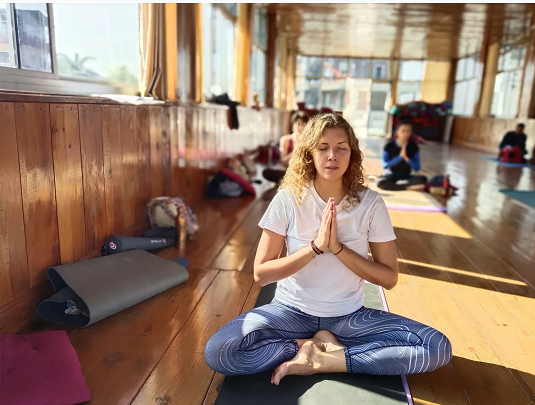
6 Key Benefits of Meditation for Depression
Mindfulness surely helps to reduce depression, and below are just some elaborate ways in which it is good for depression.
1. Relaxation and Stress Reduction
There is no denying that meditation helps reduce stress and makes the mind calmer. By meditating, the body releases more calming hormones, promoting a feeling of peace and reducing stress. So, mindfulness practice surely helps to reduce stress and thus alleviate depression.
2. Changing Your Thought Patterns
It can surely help one notice negative thought patterns. Thus, one can learn to observe one’s thoughts without judgment. This helps to reduce sadness, loneliness, and overall depression.
3. Improving Your Focus
It can help train the brain to focus on the very present moment. This can help in reducing reactions to negative thoughts and emotions.
4. Making Sleep Better
Have difficulty sleeping? Are you surrounded by many negative thoughts that lead to depression? Then it is the way to go. With mindfulness, one can calm their mind and reduce insomnia symptoms.
5. Connection and Support
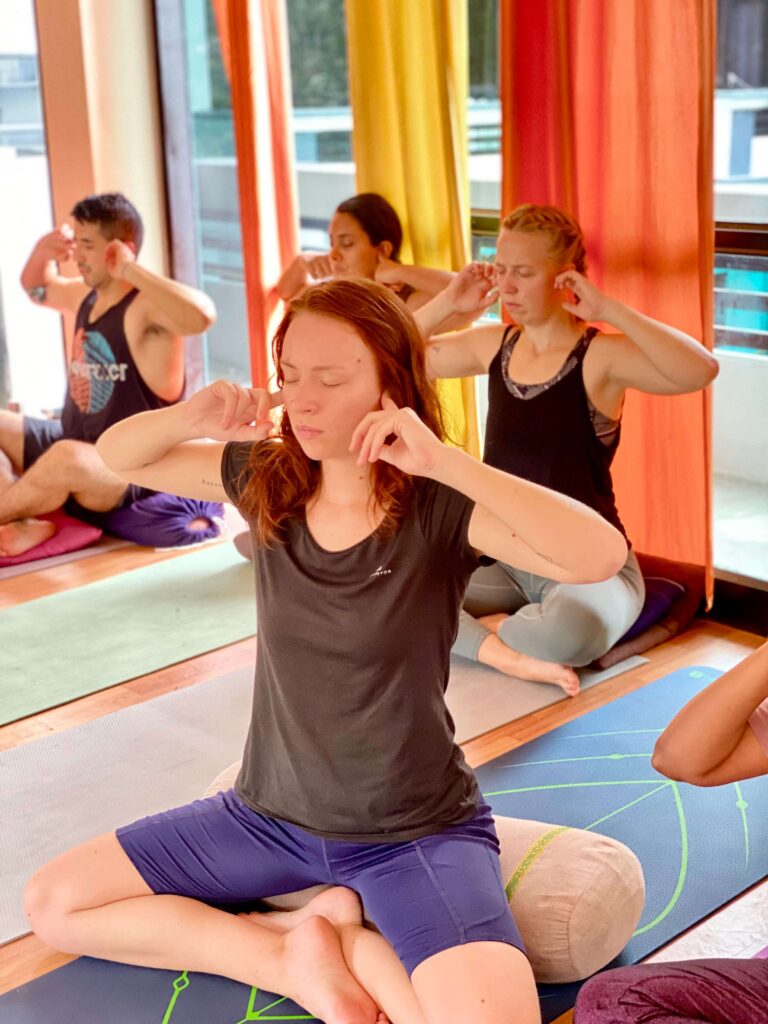
Depression can make one feel completely alone, even though there may be people around. It keeps you isolated from friends and family, and you’re not able to connect with others. Thus, if you practice yoga in these times of loneliness, you will learn to let go of emotions and connect with people around you!
6. Enhancing Overall Well-being
With mindfulness practice, one can find a sense of inner calm and clarity, helping people to feel more grounded. This ultimately enhances an individual’s sense of well-being, even during depressive moments. Once you meditate, you may develop a more balanced and accepting relationship with your thoughts and feelings.
Helpful Meditation Tips for Beginners
1. Set Aside Some Time
It may be difficult to find time, but mindfulness works best with regular sessions. 20 minutes is a good time for this. It is best to meditate at the start of the day. One has to ultimately find some time to meditate and do away with negative thoughts!
2. Find a Comfortable Space
One needs to find a place that is comfortable and warm. One can sit cross-legged on the floor; one should surely use a mat. Others can also sit on a chair or the bed. One must be comfortable and upright.
3. Bring Mindfulness Into Meditation
One should be extremely mindful. This will help in mindfulness practice, as it may help focus one on the present moment. One should be aware of their senses, and once done so, one should close their eyes and focus on other senses as well. By doing this, one will feel more connected to their body and less concerned with negative thoughts.

4. Start Your Meditation
So, when one is comfortable, they can start meditating. Gently breathe in and breathe out. And for the next 20 minutes, focus on the circular breath and say simple words in your head as much as possible.
5. The Challenge of Focusing the Mind
It’s crucial to remember that a wandering mind is a very natural part of mindfulness practice. It’s just a part of learning, and even people who are experienced with mindfulness may have wandering minds. The main core challenge is to notice when one gets distracted by a thought and then bring it back to focus on the breath.
Read More – Mindfulness Meditation: A Research-Proven Way to Reduce Stress
So, meditate every day To Keep Depression Away!
Conclusion
Thus, meditation is a very good practice to deal with depression. By practising it regularly, one can easily do away with negative thoughts and calm their mind. So, we recommend practising this for at least a few minutes every day.
So, mindfulness is very helpful in dealing with depression, and one can learn meditation and yoga practices at Rishikul Yogshala. We at Rishikul Yogshala have many yoga teacher programs and are a leading yoga school in Rishikesh that offers many courses like the 200 Hour Yoga Teacher Training in Rishikesh, 300 Hour Yoga Teacher Training in Rishikesh, and 500 Hour Yoga Teacher Training in Rishikesh. Join these courses to become a master at yoga and see a transformative change in your lifestyle.
This article is for general information and is not medical advice. If you have a respiratory or heart condition, are pregnant, or are unsure whether these practices suit you, please speak to your doctor before beginning.

 +91-8433225327,
 Rishikul Yogshala Rishikesh, Narayan Kunj, Jonk Village, Ram Jhula, Swarg Ashram, Rishikesh, Uttarakhand 249304
 By Airway
 By Railway
 By Bus/Cabs