








Kundalini Yoga: Improve Energy, Body, and Mind
Table of Contents
Kundalini: Path to Higher Awareness
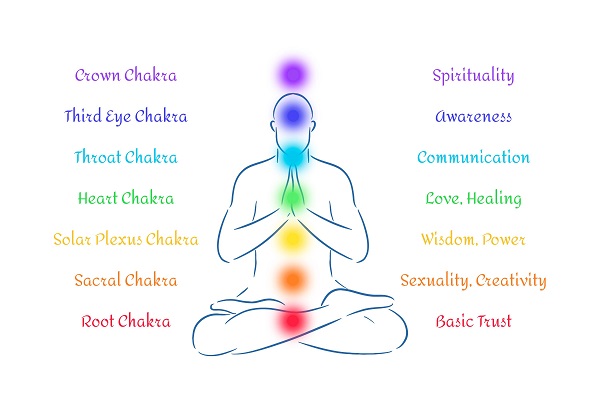
Kundalini Yoga is a powerful spiritual practice that combines physical postures, breathwork, mantra chanting, and meditation to awaken the dormant energy believed to reside at the base of the spine. This energy, known as Kundalini Shakti, is described in classical yogic texts, including the Hatha Yoga Pradipika, as a coiled serpent of creative potential sleeping within every human being. When awakened through disciplined practice, it rises through the seven chakras, ultimately reaching the crown of the head in a state of expanded consciousness and profound inner stillness.
The word Kundalini comes from the Sanskrit “kundal,” meaning coiled. It represents not just energy but awareness itself — the movement of consciousness within us that connects the individual self to the universal. This is why Kundalini Yoga is traditionally called the Yoga of Awareness: its purpose is not simply to make the body stronger or the mind calmer, but to awaken the practitioner to their full human potential.
Kundalini Yoga has been practised within the Tantric and Shaiva traditions of India for thousands of years. It was brought to the Western world in 1969 by Yogi Bhajan, who made this once closely guarded practice accessible to students worldwide. Today it is one of the most respected and transformative styles of yoga — combining the physical rigour of Hatha, the breath science of Pranayama, the vibrational power of mantra, and the depth of Vedic meditation into a single, unified system.
Yogis believe that when Kundalini awakens, it unlocks the Sushumna — the central energy channel — allowing the energy to rise through the seven chakras until it reaches the Sahasrara, the crown chakra at the top of the head. When Kundalini reaches the crown chakra, it is said to unite with Lord Shiva — the deity of transformation — who is the eternal consort of Shakti. This divine union is believed to bring about a state of profound joy known as Blissful Beatitude.
Through this awakening, Kundalini helps practitioners transcend inner duality, develop deep listening and presence, cultivate lasting inner peace, and realise their unlimited potential. As our founder, Bipin Baloni Ji, describes it, “Kundalini is not something you do to your body. It is something you allow your consciousness to experience. The practice creates the conditions; the awakening happens on its own.”
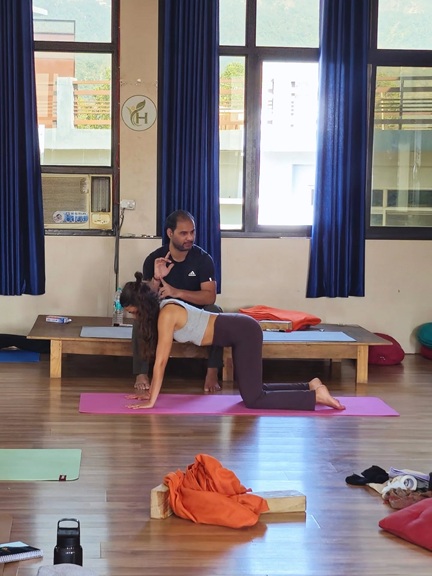
What is Kundalini Yoga?
Yoga is a vast subject with many types, but the most practised styles are around 11 distinct styles, including Kundalini yoga. For those looking to deepen their knowledge, a 300 Hour Yoga Teacher Training offers advanced guidance in Kundalini and other yoga practices.
It is a spiritual yoga practice that combines physical postures, breathing methods, meditation, and mantra chanting, which help awaken the inner energy believed to reside at the bottom of the spine.
Kundalini energy is present in every being, but not everyone successfully experiences it. This hidden Kundalini energy lies at the base of the spine in the Muladhara chakra. It is also considered to be the source of pranic energy and consciousness.
Process of Kundalini Yoga
Kundalini Yoga is typically practised in six key stages, followed in a specific sequence to maximise its energetic and spiritual effects:
- Kundalini Energy Chanting: Every Kundalini Yoga class starts with an opening chant called “tuning in,” which helps you connect with yourself and the practice.
- Pranayama or Warmup: You’ll practice breathing exercises, known as pranayama, and sometimes gentle movements to stretch and wake up your spine. The main goal of pranayama is to help you control your breath and calm your mind.
- Kriya: A kriya is a sequence of actions (postures, pranayama, mudras, sounds, and meditation) that target a particular physical, emotional, or spiritual outcome. The length of kriya relies on your instructor’s understanding of your practice.
- Relaxation: After a whole kriya part, your body must absorb its effects by relaxing. It could be for 7 minutes or more, depending on your yoga instructor. This deep relaxation practice helps you feel calm, as if you’re going beyond your body and discovering something deeper inside yourself.
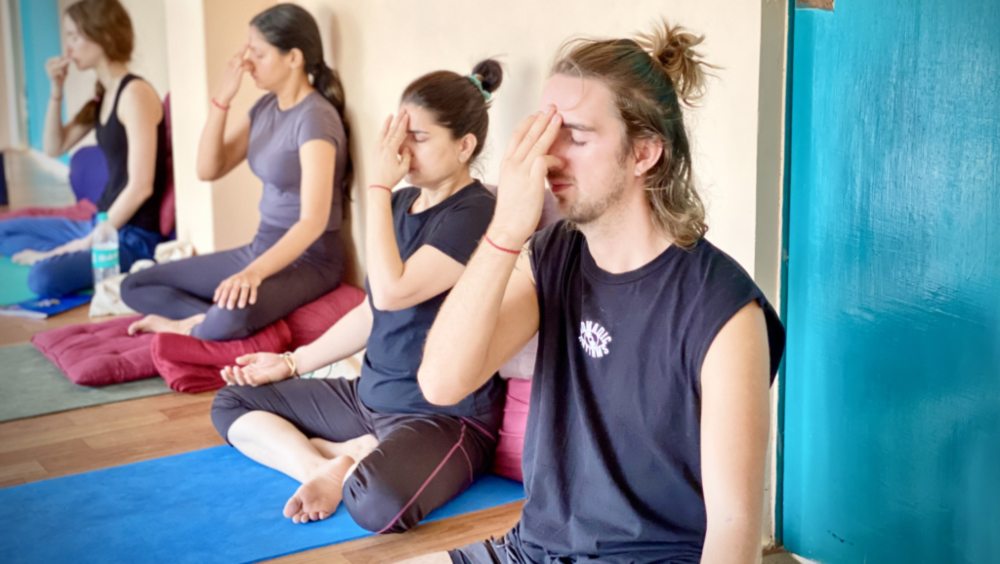
- Meditation: Kundalini meditation is designed to awaken the inactive energy at the base of the spine. During a Kundalini meditation, individuals are instructed to focus on their breath or a specific mantra, chakra focus, or visualisation meditation, depending on their needs.
- Closing Chant: The class ends with a closing chant. The traditional Kundalini closing blessing — “May the long time sun shine upon you, all love surround you, and the pure light within you guide your way on” — is sung together as a collective blessing for all practitioners. The class then concludes with “Sat Nam,” meaning “Truth is my identity,” chanted three times — once with each breath — as a final grounding and closing of the practice.
Note: It’s important to practice Kundalini meditation with a trained teacher because it’s a powerful practice that can profoundly change you. It’s best to learn it safely and correctly.
Also Read – Ten Kundalini Yoga Poses for Beginners: A Gentle Guide to the Practice of Awakening Energy
Stages Of Kundalini Awakening Decoded
Practising Kundalini Yoga helps release energy that travels up the seven chakras along your spine, eventually reaching the top of your head (the Crown). This process creates a powerful shift in practitioner awareness, known as Kundalini awakening, which brings you to a higher state of consciousness.
When the body experiences an awakening, you’ll notice many types of symptoms. But before we discuss those, it’s important to understand the stages of the process.
Arambha
It is the first stage of Kundalini awakening. In this stage, the yoga teacher or Guru chants mantras with highly specific vibrational frequencies. These vibrations help unlock energy centres. During this stage, meditative kriyas and exercises open the Root Chakra, where energy is stored. A range of emotions may arise for those experiencing this process for the first time.
It’s a time of letting go, and you may also feel physical discomfort. In some cases, people report having a near-death experience or intense sensations as the energy begins to move.
In this context, it’s important to understand the granthis clearly. The human body has three core granthis: the 1st Brahma Granthi (perineal knot), the Vishnu Granthi (navel knot), and the Rudra Granthi (forehead knot). This first stage of Kundali awakening helps open the Brahma Granthi.
Ghata
The awakening has already started, and the practitioner has reached the 2nd stage, “Ghata’. In this stage, your doubts will become clear, letting you understand and uncover your problems’ root causes, leading to deeper insight and growth. You may encounter intense emotions at this stage, which could lead to emotional outbursts. Your Guru will guide you in visualization techniques through symbolic release, you will cleanse all the harmful energy and emotions that arise during this process, clearing the way for healing.
As the Sushumna Nadi clears, you transcend your ego, unlocking the Vishnu Knot that has kept the lower chakras blocked. This allows energy to flow freely and breaks the cycle.
Awakening
It is the final stage of Kundalini energy, where practitioners reach their purpose, which is awakening. It encourages the dissolution of boundaries between the individual self and the universe’s immensity. This is the moment when you will engage yourself in pure bliss, a state of deep, unshakable contentment.
Before your awakening takes place, you undo the Rudra Knot. This will prepare you for the final awakening when all sorts of duality vanish, and you will be able to become one with the universe.
This triggers your kundalini shakti, which is free to rise as it has confounded all the obstacles. By this time, your chakras will be cleansed, and you will know the meaning of divine energy because you have experienced it.
This entire process may be draining because of numerous shifts in energy as you undergo spiritual transformation. A wise Guru or teacher will guide you through this process with care and balance. However, it is essential to prioritize rest and allow yourself the space to rejuvenate.
Also Read – 7 Health Benefits of Meditation Practice
Kundalini Yoga Benefits
Kundalini Yoga has physical and spiritual benefits, but the main focus is on the mind and deep spiritual awareness. For those seeking spiritual growth and mental peace, Kundalini Yoga is an excellent choice because it helps deepen your inner connection and promotes a calm, focused mind. Here are some benefits you can expect after practising Kundalini yoga:
- Physical Health: The benefits of kundalini yoga on the body are overall, such as strengthening the body, increasing flexibility, and improving overall physical health. It can also help relieve chronic pain and lower the risk of injuries.
- Mental Clarity: Kundalini Yoga is a powerful practice for boosting mental clarity and focus. With regular practice, anyone can enhance cognitive function, improve memory, and sharpen decision-making skills.
- Boosts Energy Levels: It activates the body’s natural energy centres, boosting stamina. Kundalini Yoga can help combat fatigue and help to absorb glucose properly.
- Reduces Stress and Anxiety: Kundalini Yoga meditation and pranayama work together to lower cortisol levels in the mind, the hormone that activates stress and anxiety.
- Improves Emotional Health: Releasing negative emotions and tension promotes peace and joy.
- Enhances Spiritual Growth: Kundalini yoga is an excellent tool for connecting with one’s inner self and developing a deeper understanding of the universe. Regular practice can help awaken the Kundalini energy and bring out spiritual growth.
- Bring Balance: The combination of chanting, praying, and kriya addresses the physical body, mind, and spirit. You’ll cultivate a sense of balance and well-being through dynamic postures, breathwork, meditation, and mantras.
- Awaken Your Inner Potential: This practice can lead to heightened consciousness and personal growth.
Note: Kundalini yoga should be practised under the guidance of an experienced guru, or if the process is not to be followed correctly. Otherwise, it can reduce its benefits and negatively affect physical and mental health or cause harm.
Why is Kundalini Yoga Dangerous?
There are many benefits of kundalini awakening, but when the energy increases too much, repressed emotions, insecurities, and inner conflicts surface, which can cause serious damage. This includes severe discomfort as the ego’s self-narrative clashes with hidden truths. As energy rises further, intense visions, fears, and even panic or psychotic symptoms may occur, especially in vulnerable practitioners.
Advanced traditions often avoid simply calming the mind, as this could lead to further repression. Instead, they focus on maximizing this tension, believing that the energy will burn itself out at its peak, leading to a mental breakthrough.
The most famous Indian yogic Guru, Sadhguru, explains that it awakens a high-intensity level of energy that shakes people’s inner world, and if you are not prepared for it, it can be hard for you to manage it.
Energy itself doesn’t have a fixed direction, so you must become more powerful in order to guide it effectively.
Conclusion
All yoga aims to bring you closer to that goal, but Kundalini Yoga is focused explicitly on it. In fact, everything in life is about this – people want to experience life more deeply. Some sing, others dance, some drink, and some pray. Why? They all want to feel life more intensely. Everyone is trying to awaken their Kundalini, but often in an unorganised way. When you approach it with a clear, scientific method, that’s what we call yoga.
Frequently Asked Questions
Q1. What is Kundalini Yoga?
Ans: Kundalini Yoga is a spiritual yoga practice that combines postures, breathwork, mantra, and meditation to awaken the dormant energy at the base of the spine. It is called the yoga of awareness and is one of the most powerful transformative practices in the yogic tradition.
Q2. What does Kundalini mean?
Ans: Kundalini comes from the Sanskrit word “kundal,” meaning coiled. It refers to the dormant spiritual energy coiled at the base of the spine in the Muladhara chakra, waiting to be awakened and rise through the seven chakras.
Q3. What is Kundalini awakening?
Ans: Kundalini awakening is the process by which dormant energy at the base of the spine rises through the chakras toward the crown of the head. It unfolds in three stages, Arambha, Ghata, and full awakening, and brings heightened awareness, emotional release, and, in its final stage, a state of profound inner peace.
Q4. Is Kundalini Yoga safe?
Ans: Kundalini Yoga is safe when practised under a qualified teacher. Without proper guidance, advanced energy practices can surface repressed emotions or cause psychological distress. Pregnant women, people with mental health conditions, and complete beginners should always seek an experienced teacher before starting.
Q5. What is the difference between Kundalini Yoga and Hatha Yoga?
Ans: Hatha Yoga focuses on physical postures and breath to build strength and flexibility. Kundalini Yoga combines postures with mantra, meditation, and energy practices to awaken consciousness. Hatha works on the body; Kundalini works on body, mind, and spirit simultaneously.
Q6. What is a Kriya in Kundalini Yoga?
Ans: A Kriya is a specific set of postures, breathing techniques, mantras, and meditation practised in sequence to achieve a targeted outcome — such as balancing the chakras, strengthening the nervous system, or improving mental clarity. Every Kundalini Yoga class is built around a Kriya.
Q7. Why is Kundalini Yoga called the yoga of awareness?
Ans: Kundalini Yoga is called the yoga of awareness because its primary goal is to expand consciousness beyond the physical body. Through the awakening of Kundalini Shakti, practitioners develop a deeper connection to their inner self and universal energy, reaching states of heightened perception and clarity.
Q8. How long does it take to see results from Kundalini Yoga?
Ans: Most practitioners notice improved mental clarity and reduced stress within 2 to 4 weeks of consistent daily practice. Deeper energetic and spiritual shifts typically emerge after 3 to 6 months. Daily practice of 20 to 30 minutes is more effective than occasional longer sessions.
Q9. What are the main benefits of Kundalini Yoga?
Ans: Kundalini Yoga improves mental clarity, reduces stress and anxiety, boosts energy levels, strengthens the immune system, balances the chakras, improves emotional health, and supports spiritual growth. It also lowers cortisol levels through combined pranayama and meditation practice.
Q10. Who brought Kundalini Yoga to the world?
Ans: Kundalini Yoga was brought to the Western world by Yogi Bhajan in 1969. Before that, it was a closely guarded practice taught only in secret within certain yogic lineages in India. Its roots trace back thousands of years through the Tantric and Shaiva traditions of Indian philosophy.
This article is for general information and is not medical advice. If you have a respiratory or heart condition, are pregnant, or are unsure whether these practices suit you, please speak to your doctor before beginning.

 +91-8433225327,
 Rishikul Yogshala Rishikesh, Narayan Kunj, Jonk Village, Ram Jhula, Swarg Ashram, Rishikesh, Uttarakhand 249304
 By Airway
 By Railway
 By Bus/Cabs