








Apana Vayu Mudra: Benefits, Steps, Precautions and How to Do It
Table of Contents
- What is Apana Vayu Mudra?
- Can Apana Vayu Mudra Help During a Heart Attack?
- Apana Vayu Mudra Benefits (अपान वायु मुद्रा के फायदे)
- Simple Steps to Do Apana Vayu Mudra
- Common Mistakes in Apana Vayu Mudra (And How to Fix Them)
- Right Time to Practice Apana Vayu Mudra
- Apana Vayu Mudra (Mrita Sanjeevani Mudra): Tips for Beginners
- Mudra: A Deeper Perspective
- Apana Vayu Mudra as Part of Yoga
- Apana Vayu Mudra vs Apana Mudra — What Is the Difference?
- Side Effects of Apana Vayu Mudra (अपान वायु मुद्रा के नुकसान)
- Can You Practice Apana Vayu Mudra During Pregnancy?
- Conclusion
- FAQ – Apana Vayu Mudra
- Q1: What is Apana Vayu Mudra?
- Q2: How do you do Apana Vayu Mudra?
- Q3: What are the benefits of Apana Vayu Mudra?
- Q4: How long should I practise Apana Vayu Mudra daily?
- Q5: What is the best time to do Apana Vayu Mudra?
- Q6: Who should avoid Apana Vayu Mudra?
- Q7: Can beginners do Apana Vayu Mudra?
- Q8: Does Apana Vayu Mudra help with digestion?
- Q9: What chakras does Apana Vayu Mudra affect?
- Q10: How soon will I see results from Apana Vayu Mudra?
What is Apana Vayu Mudra?
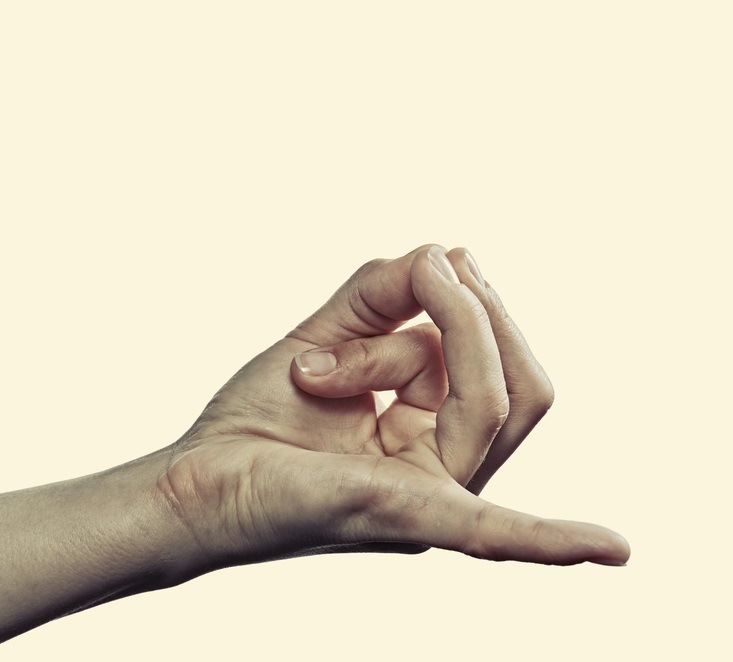
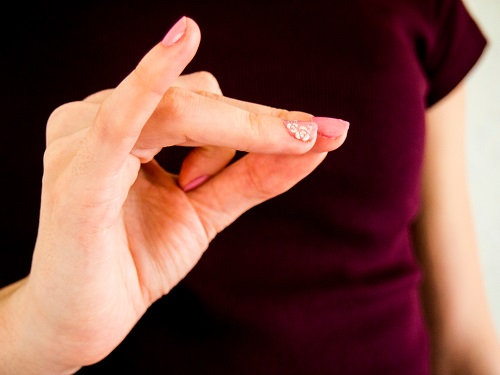
Apana Vayu Mudra is a yogic hand gesture that has been passed down through generations in India, traditionally known as the “lifesaver mudra” or Mrita Sanjeevani Mudra, where Mrita means death and Sanjeevani means life-restoring. It is formed by touching the tips of the ring finger and middle finger to the thumb tip, folding the index finger down to the base of the thumb, and keeping the little finger straight. This specific arrangement of fingers is believed to redirect and balance the body’s vital energy.
In yogic philosophy, “Apana” refers to the downward-moving life force (Apana Vayu) that governs the body’s natural processes of elimination and purification, including the removal of waste, toxins, negative emotions, and stagnant energy. When Apana Vayu becomes weak or blocked, the body struggles to cleanse itself effectively, which can lead to digestive discomfort, high blood pressure, hormonal imbalance, and mental heaviness.
Apana Vayu Mudra works by activating and strengthening this downward energy flow. Regular practice supports digestion, detoxification, heart health, and emotional release. It also balances the earth and space elements in the body, which, according to Ayurveda, directly influence physical strength and mental clarity.
Can Apana Vayu Mudra Help During a Heart Attack?
In Indian homes, this mudra has been passed down for generations. When someone felt chest pain or heaviness, elders would quietly show them this hand gesture. That is why it is called Mrita Sanjeevani, meaning “one that brings back life.”
When you fold the index finger down, it reduces excess air trapped in the chest. Joining the other fingers with the thumb helps settle the heart’s erratic energy. Many people feel relief from chest pressure within a few minutes of holding this mudra.
But here is the truth: this is not a replacement for medical help. If someone is having a heart attack, call emergency services first. You can hold this mudra while waiting for help to arrive.
For long-term heart health, practise it for 15 minutes twice a day — not just in emergencies. That is where the real benefit comes from.
Apana Vayu Mudra Benefits (अपान वायु मुद्रा के फायदे)
There are some outstanding benefits of doing the Apana Vayu Mudra. Read through them below:
- Improves Digestion: Apana Vayu Mudra helps to improve digestion if it is done for around 15 minutes every day. You should do it more than once a day to improve the results. The flow of energy is in the downward direction, which helps in the removal of waste from the body on a regular basis. Acidity, constipation, and gas issues also get solved.
- Detoxifies the Body: Free radicals are removed from the body when you practise this yoga form. This helps in detoxifying the body, and harm to the cells is reduced.
- Boosts the Immune System: The immunity of the human body naturally improves if the toxic wastes from the body are removed regularly. By doing this yoga, one can make their immune system fully healthy and functional.
- Stimulates the Internal Organs of the Body: The internal organs of the body can be activated to their full potential. These organs are the intestine, stomach, liver, kidney, and gallbladder. The urinary tract also becomes clear of all barriers, helping in urination in a comfortable manner.
- Kills Diabetes: People with diabetes can improve their condition through the practice of Apana Vayu Mudra. It improves the functioning of the pancreas and maintains the level of insulin in the body.
- Solves Menstrual Problems: Since the downward flow of the waste from the body increases significantly due to Apana Vayu Mudra, the menstrual cycle in women also becomes regular. Doing this yoga for 30 minutes each day under the proper guidance of a yoga trainer can give beneficial results.
- Relieves Postpartum Back Pain: New moms often feel irritation due to back pain after their delivery. Intense pain can be caused in the body if the Apana Vayu gets blocked. The trapped energy in the body is released through the Apana Vayu Mudra. This will lower your discomfort.
- Calms the Body and Mind: With the continuous removal of waste from the body, the energy levels reach the right height. This helps to keep the body and mind in a state of calm and health.
- Self-Confidence Gets Improved: The self-confidence and creativity in a person get improved due to Apan Vayu Mudra. With this, the present difficulties in the life of a person can certainly be solved.
- Impact on Chakras: The mudra has a balancing effect on the Muladhara Chakra and Swadishtana Chakra. With the right balance, problems such as high body temperature and burning sensations can be cured in the body.
- Impact on Doshas: Bodily functions like excretion, ejaculation, and menstruation are controlled by the apana vata. Other associated vayus also attain balance once this apana vata is balanced by mudra. Pachaka pitta, avalambaka kapha, and udana vata also get balanced through the consistent practice of lifesaver mudra.
- Builds the Tissues: The bones and muscles become more strengthened through Apan Vayu Mudra. It creates a powerful impact on the bones of the thigh, pelvis, hip, and back. The uterus and colon also experience a sharp improvement in their muscular power.
- Reduction in Inflammation: The joints and muscles may undergo pain at times, which can be reduced via the Apan Vayu Mudra. This can be done by touching the thumb’s base with the index finger.
Best tip: To obtain the top benefits of the apana vayu mudra for the heart, it is important that you practice it with other yoga forms such as Paschimottanasana, Pawanmuktasana, Vajrasana, and Mandukasana.
Also Read – 5 Yoga Mudras for Good Sleep and Cure Insomnia
Simple Steps to Do Apana Vayu Mudra
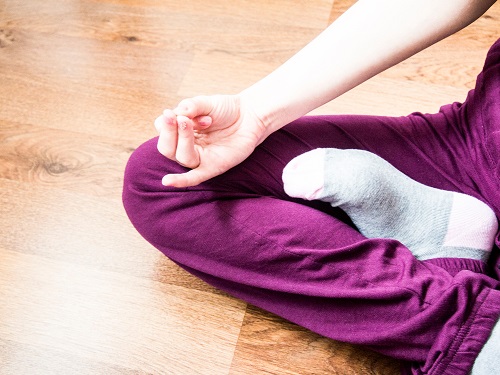
- Sit down in a comfortable meditation pose. You can opt for padmasana or sukhasana.
- Keep your spine straight and hands on your knees or thighs with your palms facing upwards.
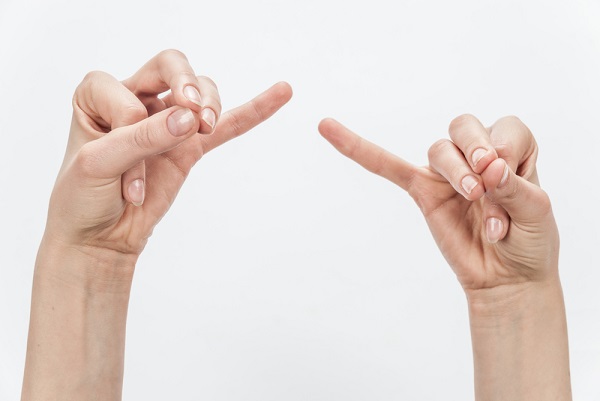
- The thumb’s tip must be touched by the ring and middle fingers’ tips. While doing this, you are supposed to keep the little and index fingers in a straight line. Do this practice with both hands.
- Inhale in a relaxed and deeper way while keeping your eyes closed.
- Maintain concentration on your breath and energy flow in the body.
- Remain in the position for 15-30 minutes.
- It is best to do the yoga in the early morning, or if you have eaten food, then do the yoga form after 2-3 hours of having your food.
- When you place your hands on your thighs, leave your fingers free. Relax in the current position.
- Once relaxation has been achieved, you can begin with your daily chores.
Common Mistakes in Apana Vayu Mudra (And How to Fix Them)
Most people learn this from a quick video and miss small but important details. Check if you are making any of these:
- Not folding the index finger: The most common mistake. Three fingers touching the thumb is not enough. The index finger must fold down to the thumb’s base. Without this, you are doing a different mudra entirely.
- Pressing the fingers too hard: This is a light seal, not a tight grip. Pressing hard creates tension and actually blocks the energy flow. Keep the touch gentle.
- Doing it right after eating: Always wait at least 2 hours after a meal. Practising on a full stomach can cause discomfort or nausea.
- Quitting too early: Three minutes will not show results. Minimum 15 minutes per session. The body needs time to respond.
- Lying flat while doing it: Always sit upright — on the floor, a chair, or even standing. Lying down reduces the effectiveness.
- Using only one hand: Always use both hands together. This completes the energy circuit in the body.
Right Time to Practice Apana Vayu Mudra
- Morning hours are the topmost priority hours for doing the Apana Vayu Mudra. However, you can also do it at any time during the day.
- Doing yoga without having any food is the best way to perform it. You are supposed to do yoga after 2 hours if you have already eaten food.
- Usually, it is recommended that you practise the Apana Vayu Mudra for 30-45 minutes daily. You can also do it three times a day for 10-15 minutes every day.
- You can do it while sitting on a chair or in a standing posture.
- By doing yoga for 6-8 weeks, you will be able to see amazing results.
Apana Vayu Mudra (Mrita Sanjeevani Mudra): Tips for Beginners
- If it is your first time doing the Apana Vayu Mudra, then do it for a short time interval.
- Initially, you can do yoga for 2 minutes. You can change the duration of doing yoga when you become used to it.
- When you are comfortable, then only increase the duration of the yoga.
- You can also keep the elbow on the cushion for support.
Mudra: A Deeper Perspective
The life force is directed through hand gestures, also known as mudra. Mudra science is a field of study in which the hand and finger arrangements are studied. Spiritual growth has a huge place in the science of mudra, Ayurveda, and yoga. There are also therapeutic benefits to the same.
Different texts in yoga reflect the various mudras along with tips to perform and explain why, how, and when you can use a mudra. Different kinds of energy can be flowed through the body using the different mudras.
The main benefit of the mudra is that it restores the balance in the five elements that make up the human body and humours. Further, they also affect the mood and can make us less or more stressed. The biological functioning of the body is improved manifold, as mudras have a positive effect on the reproductive, digestive, and respiratory systems.
Apana Vayu Mudra as Part of Yoga
In Prana, the life force, Apana is considered one of the subcategories. Ayurveda also mentions the practice of Apana. It is important to keep the Apana Vayu Mudra strong to ensure proper elimination of the wastes from the body. These wastes do not just mean any physical form of waste, like urine or feces, but also include other unnecessary elements existing in the body. These could be your negative emotions and thoughts. You may feel emotionally or mentally suffocated due to such things existing in your body.
You can perform the following yoga poses too to balance the Apana Vayu in your body.
- Vrikshasana, or Tree Pose
- Balasana or child’s pose
- Tadasana, or mountain pose
- Baddhakonasana, or bound angle pose
Also Read: Ashwini Mudra: The Powerful Yogic Gesture for Health and Vitality
Apana Vayu Mudra vs Apana Mudra — What Is the Difference?
These two mudras look almost the same. Most people confuse them. But there is one key difference: the index finger.
Apana Mudra: Touch the tips of the middle finger and ring finger to the thumb tip. Index finger stays straight. Little finger stays straight.
Apana Vayu Mudra: Same as above, but fold the index finger down so its tip touches the base of the thumb. Little finger stays straight.
That one folded finger changes everything. It actively reduces excess air from the body, which is why Apana Vayu Mudra specifically helps with heart issues, chest pressure, and breathlessness.
Simple rule to remember:
- For digestion and detox, both mudras work
- For heart, chest, and breathing, always use Apana Vayu Mudra with the folded index finger
If you have been keeping the index finger straight, you have been doing Apana Mudra this whole time. Still good, but not the same.
Side Effects of Apana Vayu Mudra (अपान वायु मुद्रा के नुकसान)
Apana Vayu Mudra is generally safe, but a few things are worth keeping in mind.
People with low blood pressure should avoid this mudra as it can cause dizziness or sudden weakness.
Overdoing it without breaks can leave you feeling fatigued or restless. Also, if the fingers are not placed correctly, you won’t get the right benefits and may even feel strain in your fingers over time.
Always practice under a trained yoga teacher, especially if you have any existing health conditions.
Can You Practice Apana Vayu Mudra During Pregnancy?
This is a common question, and the honest answer is: it depends on which month you’re in.
Apana Vayu Mudra strengthens the body’s downward-flowing energy. In the first eight months of pregnancy, most yoga teachers and traditional texts advise against it, because that downward pull is linked to contractions and, in traditional belief, an increased risk of early labor or miscarriage.
In the final month (roughly from week 32 onward), many prenatal yoga teachers actually use a closely related mudra — Apana Mudra — to help the body prepare for delivery, since the same downward energy that’s risky earlier on can support labor once the baby is full-term.
So the practical guidance is:
- First and second trimester: avoid this mudra.
- Third trimester, before week 32: avoid it unless your doctor and a certified prenatal yoga teacher say otherwise.
- From around week 32–36 onward: it may be introduced, but only under the direct guidance of a certified prenatal yoga instructor and with your doctor’s approval.
Never start this practice on your own during pregnancy based on a blog post; this is exactly the kind of thing that needs a trained teacher watching you do it in person.
Conclusion
Apana Vayu Mudra asks very little of you. No mat, no special clothing, no hour carved out of the day. You can sit with it on a train, at your desk, or in the last ten quiet minutes before sleep. That ease is also the reason most people abandon it — something this simple doesn’t feel like it is doing enough.
Give it six weeks before you judge it. Fifteen minutes, both hands, index finger folded down properly to the base of the thumb. Digestion usually settles first. The steadier chest and quieter mind take longer.
One honest caution: a mudra is not medicine. If your blood pressure runs low, if you are pregnant, or if you already have a heart condition, talk to your doctor before making it a daily habit.
And if this has left you curious about where mudras actually sit in the wider practice — how they relate to pranayama, the five vayus, and the way energy is understood to move through the body — that understanding comes from studying properly, not from reading one article. A yoga teacher training in India puts mudra science next to asana, anatomy and philosophy, taught the way it has been taught in Rishikesh for generations. You stop performing the gesture and start understanding why the fingers go where they go.
FAQ – Apana Vayu Mudra
Q1: What is Apana Vayu Mudra?
Apana Vayu Mudra is a yogic hand gesture that stimulates the downward flow of energy in the body. It supports digestion, detoxification, and purification, and is also called Mrita Sanjeevani Mudra.
Q2: How do you do Apana Vayu Mudra?
Touch the tips of your ring finger and middle finger to your thumb tip, fold the index finger to the thumb’s base, and keep the little finger straight. Hold with both hands for 15–30 minutes while sitting comfortably.
Q3: What are the benefits of Apana Vayu Mudra?
It improves digestion, detoxifies the body, boosts immunity, regulates menstruation, supports heart health, reduces joint inflammation, balances chakras, and promotes mental calm and self-confidence.
Q4: How long should I practise Apana Vayu Mudra daily?
Practise for 30–45 minutes daily, either in one session or three sittings of 10–15 minutes each. Beginners can start with just 2 minutes and build up gradually.
Q5: What is the best time to do Apana Vayu Mudra?
Early morning between 4–6 a.m. is ideal. It can also be done at any time of day, preferably on an empty stomach or 2–3 hours after eating.
Q6: Who should avoid Apana Vayu Mudra?
Pregnant women and people with low blood pressure should avoid it. Those with osteoarthritis or conditions that make finger folding painful should also refrain or consult a doctor first.
Q7: Can beginners do Apana Vayu Mudra?
Yes. Beginners should start with 2 minutes per session and gradually increase. Use a cushion for elbow support if needed and ensure the practice feels comfortable and relaxed.
Q8: Does Apana Vayu Mudra help with digestion?
Yes. It activates the downward flow of energy, stimulating the intestines, stomach, liver, and kidneys. It relieves acidity, bloating, gas, and constipation when practised for at least 15 minutes daily.
Q9: What chakras does Apana Vayu Mudra affect?
It balances the Muladhara (Root) Chakra and Swadishtana (Sacral) Chakra, helping relieve burning sensations, high body temperature, and emotional imbalance.
Q10: How soon will I see results from Apana Vayu Mudra?
Most people notice improvements within a few weeks. Significant results are typically visible after 6–8 weeks of consistent daily practice.
This article is for general information and is not medical advice. If you have a respiratory or heart condition, are pregnant, or are unsure whether these practices suit you, please speak to your doctor before beginning.

 +91-8433225327,
 Rishikul Yogshala Rishikesh, Narayan Kunj, Jonk Village, Ram Jhula, Swarg Ashram, Rishikesh, Uttarakhand 249304
 By Airway
 By Railway
 By Bus/Cabs