








Five Yoga Mudras for Better Sleep: A Gentle Guide to Hand Gestures That Quiet the Mind
Table of Contents
- Five Yoga Mudras For Better Sleep
- 1. Gyan Mudra (Mudra of Knowledge)
- How to Perform Gyan Mudra:
- Gyan Mudra Benefits for Sleep:
- Gyan Mudra Practice Tip:
- 2. Shuni Mudra (Mudra of Patience):
- How to Perform Shuni Mudra:
- Shuni Mudra Benefits for Sleep:
- Shuni Mudra Practice Tip:
- 3. Prana Mudra (Mudra of Life):
- How to Perform Prana Mudra:
- Prana Mudra Benefits for Sleep:
- Prana Mudra Practice Tip:
- 4. Apana Mudra (Mudra of Digestion):
- How to Perform Apana Mudra:
- Apana Mudra Benefits for Sleep:
- Apana Mudra Practice Tip:
- 5. Shakti Mudra (Mudra of Power):
- How to Perform Shakti Mudra:
- Shakti Mudra Benefits for Sleep:
- Shakti Mudra Practice Tip:
- Best Time to Practice These Mudras for Sleep
- How to Combine Mudras with Breathing for Better Sleep
- Precautions to Keep in Mind
- Mudras vs Sleep Medication
- Conclusion
- Frequently Asked Questions – Yoga Mudras
- Which mudra is best for deep sleep?
- How long should I hold a mudra for sleep?
- Can I practice these mudras lying down in bed?
- How many days does it take for mudras to improve sleep?
- Can children practice yoga mudras for sleep?
- Is it okay to do multiple mudras in one session?
- Can yoga mudras replace sleep medicine?
- What is the best mudra for anxiety-related insomnia?
- Should I combine mudras with pranayama for better results?
- Can I practice these mudras every day?
Five Yoga Mudras For Better Sleep
Yoga mudras are some of the practice’s smallest gestures and quietly most surprising teachings. A simple touch of finger to thumb, held for a few minutes, can subtly settle the nervous system in ways that are hard to explain until you try them. For sleep, especially, mudras work beautifully alongside breath and stillness. In this guide, we’ll meet five gentle mudras for better sleep, Gyan, Shuni, Prana, Apana, and Shakti — and explore how to weave them into an evening practice.
1. Gyan Mudra (Mudra of Knowledge)
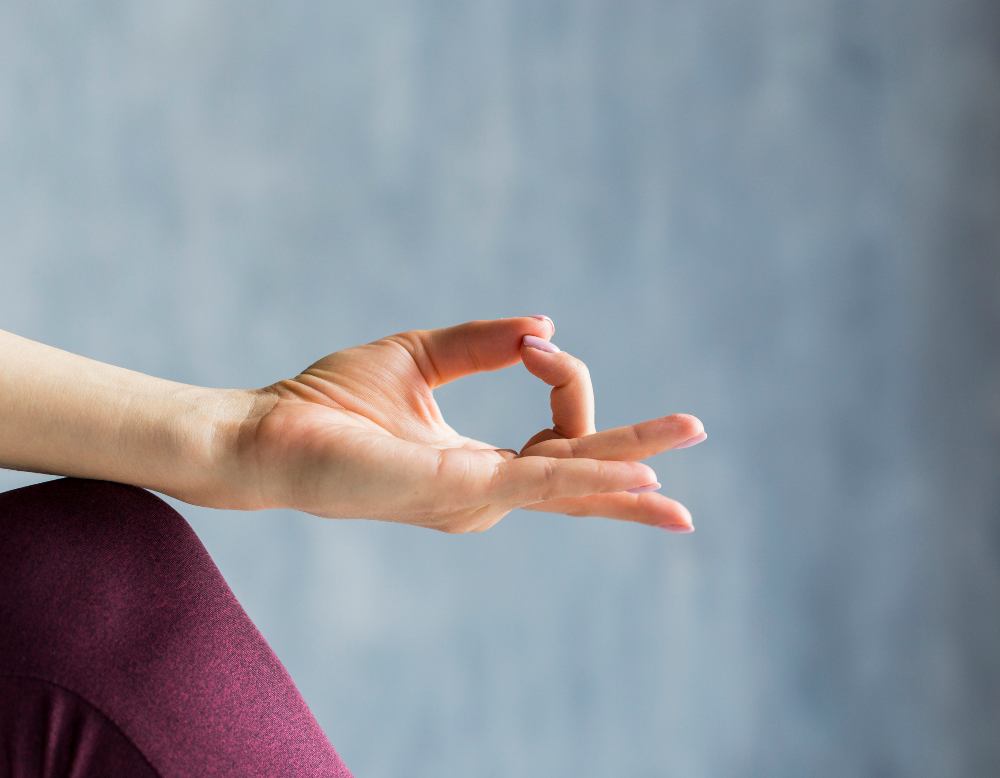
Gyan Mudra is one of the most commonly practiced mudras in yoga. When performed with palms facing down, it is also known as the Chin Mudra. This mudra represents the merging of personal and collective consciousness. It is believed to enhance concentration, improve memory, and promote a sense of calm and relaxation. This is also the best mudra for sleep and anxiety.
How to Perform Gyan Mudra:
- First, you have to sit in a comfortable position, preferably in a cross-legged pose like Sukhasana (Easy Pose) or Padmasana (Lotus Pose).
- Then, you have to touch the tip of your index finger to the tip of your thumb, forming a circle.
- Maintain the remaining three fingers relaxed and straight.
- With your palms fronting up, position your hands on your knees.
- Shut your eyes and inhale deeply and slowly.
Gyan Mudra Benefits for Sleep:
- It calms the mind and reduces stress.
- Promotes mental clarity and reduces anxiety.
- It helps to balance the nervous system, aiding in better sleep quality.
Gyan MudraPractice Tip:
You can perform Gyan Mudra for 15-30 minutes daily, preferably in the morning or before bedtime. Pair it with deep breathing exercises for enhanced effects.
Read More About Gyan Mudra
2. Shuni Mudra (Mudra of Patience):
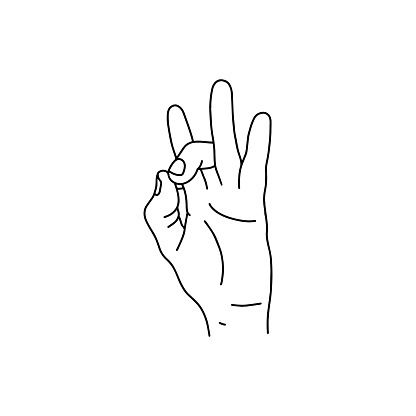
Shuni Mudra, also known as Shoonya Mudra or the Mudra of Patience, is a powerful gesture that promotes patience, discipline, and stability. It is particularly effective in balancing the elements within the body and calming the mind.
How to Perform Shuni Mudra:
- Your back must be straight when you sit comfortably.
- Make a circle by touching the tips of your thumb and middle finger together.
- Maintain the remaining three fingers relaxed and straight.
- With your palms looking up, set your hands on your knees.
- At last, shut your eyes and take calm, deep breaths.
Shuni Mudra Benefits for Sleep:
- Reduces stress and anxiety.
- Promotes inner peace and mental clarity.
- It helps to balance the elements of air and ether in the body, which are associated with nervous system function.
Shuni Mudra Practice Tip:
You can practice Shuni Mudra for 15-20 minutes daily. It is particularly beneficial when practiced during meditation or while performing pranayama (breathing exercises).
3. Prana Mudra (Mudra of Life):
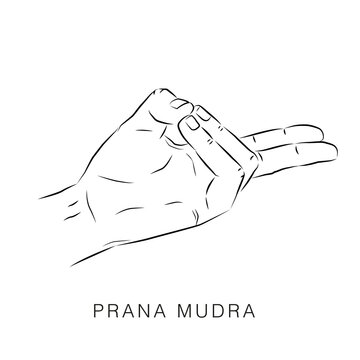
Often, people get confused about which mudra is good for sleep, but the Prana Mudra is a simple and effective option. This mudra calms the mind, reduces stress, and helps balance energy, making it ideal for improving sleep quality. Prana Mudra is known as the Mudra of Life because it symbolizes the vital life force within the body. This mudra activates the dormant energy in the body and improves vitality. It is especially beneficial for those suffering from fatigue, stress, and sleep disorders.
How to Perform Prana Mudra:
- First, you have to sit in a comfortable position with your back straight.
- Then, touch the tips of your ring finger and little finger to the tip of your thumb.
- Keep the other two fingers straight.
- Then, set your hands on your knees with your palms meeting up.
- Shut your eyes and inhale deeply and slowly.
Prana Mudra Benefits for Sleep:
- Reduces fatigue and enhances vitality.
- It calms the nervous system and reduces stress.
- It improves circulation and oxygen flow, promoting better sleep.
Prana Mudra Practice Tip:
You can perform Prana Mudra for 15-30 minutes daily. It can be practiced at any time of the day, but it is particularly effective when done before bedtime.
If sleeplessness has become a nightly struggle, practicing the right mudra for sleeplessness like Shakti Mudra or Prana Mudra before bed can help calm your nervous system and bring back restful sleep naturally.
4. Apana Mudra (Mudra of Digestion):
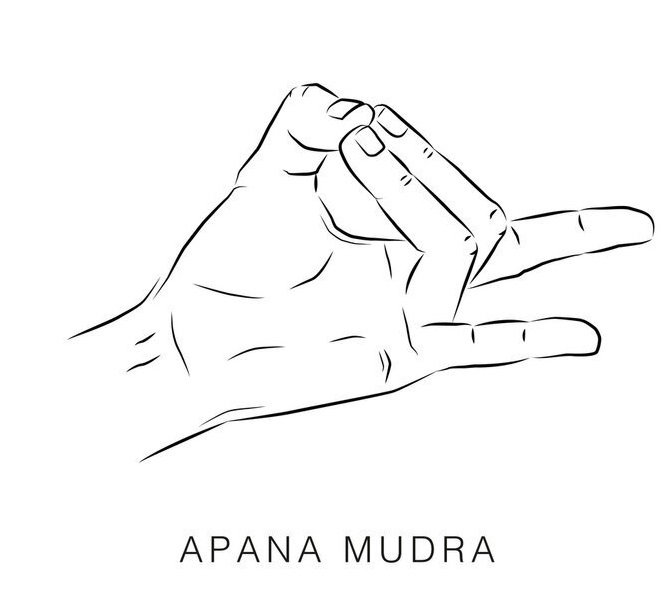
Apana Mudra, also known as the Mudra of Digestion, is primarily used to aid digestion and the elimination of waste from the body. However, it also has a calming effect on the mind and can help alleviate insomnia caused by digestive issues.
How to Perform Apana Mudra:
- First, you have to maintain a straight back when posing in a comfortable position.
- Place your ring and middle fingertips against the tip of your thumb.
- Straighten the other two fingers.
- With your palms engaging up, position your hands on your knees.
- Shut your eyes and take calm, deep breaths.
Apana Mudra Benefits for Sleep:
- It aids in digestion and alleviates digestive discomfort.
- Soothes the mind and eases stress and anxiety.
- It helps eliminate toxins from the body, promoting overall well-being and better sleep.
Apana Mudra Practice Tip:
You can practice Apana Mudra for 15-20 minutes daily, preferably after meals or before bedtime. It can also be combined with gentle yoga poses that aid digestion.
5. Shakti Mudra (Mudra of Power):
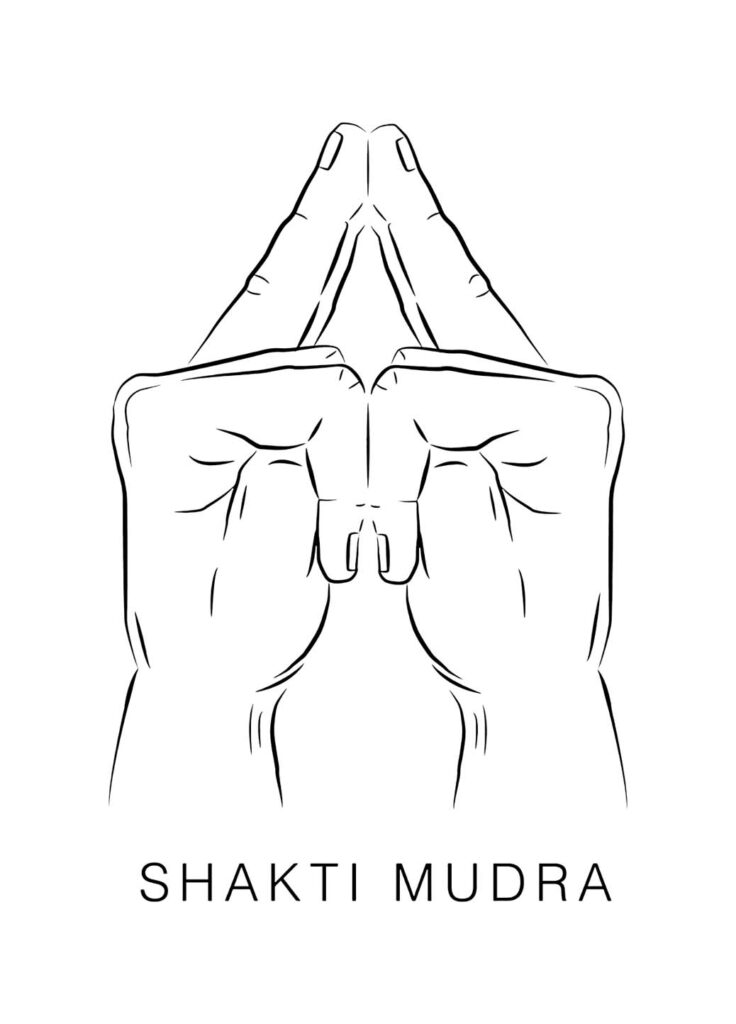
Shakti Mudra is named after the Hindu goddess Shakti, who symbolizes power and energy. This mudra is particularly effective in promoting relaxation and calming the nervous system. It is beneficial for those who are suffering from insomnia, restlessness, and anxiety. This is the best mudra for good sleep.
How to Perform Shakti Mudra:
- First, you have to sit in a comfortable position with your back straight.
- Fold your thumbs inside your palms.
- Bring the tips of your ring fingers and little fingers together.
- Fold your index and middle fingers over your thumbs and bring the knuckles of these fingers together.
- Position your hands on your lap with palms facing upwards.
- At last, close your eyes and take deep, slow breaths.
Shakti Mudra Benefits for Sleep:
- It promotes deep relaxation and reduces restlessness.
- It calms the nervous system and alleviates anxiety.
- It helps to improve overall sleep quality and duration.
Shakti Mudra Practice Tip:
You can perform Shakti Mudra for Sleep for 15-20 minutes daily, preferably before bedtime. For enhanced effects, pair it with a relaxing bedtime routine, such as a warm bath or gentle stretches.
Read More – 7 Yoga Mudras To Balance The Mind And The Body
Best Time to Practice These Mudras for Sleep
Morning is great for most yoga practices, but for sleep mudras, bedtime is where they work best. Practice them 20 to 30 minutes before you sleep, either sitting on your bed or lying down in a comfortable position. Keep the lights dim, breathe slowly, and let your body naturally settle into a relaxed state. Even 15 minutes of consistent practice each night can make a noticeable difference within a few weeks.
How to Combine Mudras with Breathing for Better Sleep
Mudras work even better when paired with slow, mindful breathing. As you hold the mudra, inhale deeply through your nose for 4 counts, hold for 2, and exhale slowly for 6. This simple breathing pattern activates your body’s natural relaxation response and helps the mudra work faster. Practicing this way for even 10 minutes before bed can quiet a restless mind surprisingly well.
Precautions to Keep in Mind
These mudras are safe for most people, but a few things are worth keeping in mind.
- Do not force your fingers into position. The touch should be gentle, not tight.
- If you feel any discomfort or dizziness during practice, release the mudra and rest.
- Pregnant women and people with serious health conditions should consult a doctor before starting any new yoga practice.
- Avoid practicing immediately after a heavy meal.
Mudras vs Sleep Medication
Many people turn to sleep medication out of habit, but the side effects over time are hard to ignore. Yoga mudras, on the other hand, have no side effects, cost nothing, and can be done anywhere. They work by calming the nervous system naturally rather than forcing the body into sleep. They are not a replacement for medical treatment, but for mild to moderate sleep issues, consistent mudra practice has helped many people reduce their dependence on pills over time.
Conclusion
Yoga hand mudras are simple yet powerful finger gestures that direct the flow of energy in the body and support both physical and mental health. Sleep is not a luxury; it is something your body truly needs. If you have been struggling to get proper rest, these five yoga mudras are worth adding to your nightly routine. They are simple, take very little time, and cost nothing at all.
The key is consistency. A few minutes every night, combined with slow breathing and a calm environment, can slowly but surely transform the quality of your sleep. Many people who once depended on medication have found real relief through these small, mindful practices.
Give it a few weeks, stay regular, and let your body do the rest. And if you want to go deeper into the world of yoga and mudras, the 200 Hour Yoga TTC in Rishikesh at Rishikul Yogshala Rishikesh is the perfect place to start.
Frequently Asked Questions – Yoga Mudras
Which mudra is best for deep sleep?
Shakti Mudra is considered the most effective for deep sleep as it directly calms the nervous system and reduces restlessness before bedtime.
How long should I hold a mudra for sleep?
Practicing for 15 to 20 minutes before going to bed is enough to start seeing results. You can do it while sitting or even lying down.
Can I practice these mudras lying down in bed?
Yes, most sleep mudras like Prana Mudra and Shakti Mudra can be practiced while lying down, making them perfect for a bedtime routine.
How many days does it take for mudras to improve sleep?
Most people notice a difference within 2 to 3 weeks of regular practice. Consistency matters more than duration.
Can children practice yoga mudras for sleep?
Yes, mudras are gentle and safe for children. Gyan Mudra and Prana Mudra are especially good for kids dealing with restless sleep.
Is it okay to do multiple mudras in one session?
You can, but it is better to focus on one or two mudras per session so your body can respond properly rather than switching too quickly between gestures.
Can yoga mudras replace sleep medicine?
Mudras are a natural support practice, not a medical treatment. If you are on prescribed sleep medication, always consult your doctor before making any changes.
What is the best mudra for anxiety-related insomnia?
Gyan Mudra and Shuni Mudra work well for people whose sleep problems are driven by overthinking, stress, or anxiety.
Should I combine mudras with pranayama for better results?
Absolutely. Pairing mudras with slow, deep breathing like Anulom Vilom or Bhramari can make them significantly more effective for calming the mind before sleep.
Can I practice these mudras every day?
Yes, daily practice is encouraged. The more regularly you do them, the better and faster the results on your sleep quality.
This article is for general information and is not medical advice. If you have a respiratory or heart condition, are pregnant, or are unsure whether these practices suit you, please speak to your doctor before beginning.

 +91-8433225327,
 Rishikul Yogshala Rishikesh, Narayan Kunj, Jonk Village, Ram Jhula, Swarg Ashram, Rishikesh, Uttarakhand 249304
 By Airway
 By Railway
 By Bus/Cabs