








Ardha Padmasana (Half Lotus Pose): A Gentle Guide to the Intermediate Step Toward Full Lotus
Table of Contents
Ardha Padmasana — the Half Lotus Pose — is the kind intermediate step between Easy Pose and Full Lotus. One foot rests on the opposite thigh, the other tucks comfortably beneath. The hips need to rotate, but only on one side at a time, making this far gentler than the full Padmasana. In this guide, we’ll meet Half Lotus carefully, walk through the steps, and explore its place in the patient progression toward Full Lotus — or as a beautiful seat in its own right that you may never need to deepen further.
Understanding Ardha Padmasana
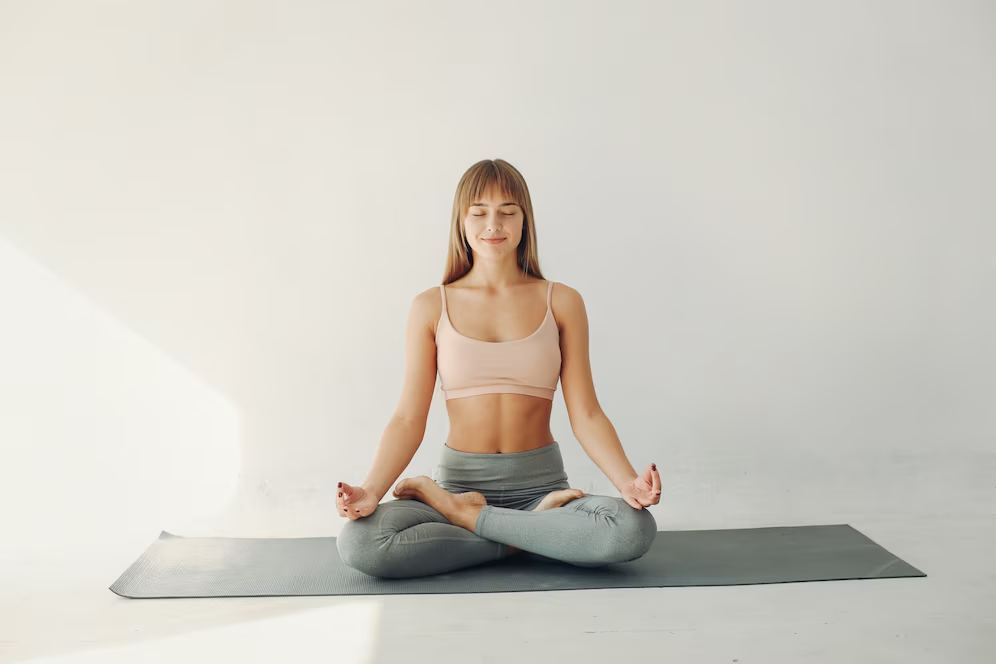
The name Ardha Padmasana comes from Sanskrit, where ‘Ardha’ means half and ‘Padma’ refers to the lotus. As it sounds, this pose models the shape of a half-open lotus flower representing purity, balance and enlightenment. Where the full Lotus Pose (Padmasana) needs both feet sitting atop opposite thighs, the Half Lotus Pose just has one foot within the other thigh, with any remaining leg stretched out before it. Forward fold (modified) For a more accessible forward fold that can provide similar benefits, from increasing relaxation and balance to which are perfect for when you need a little help focusing or concentrating.
Steps to Perform Ardha Padmasana
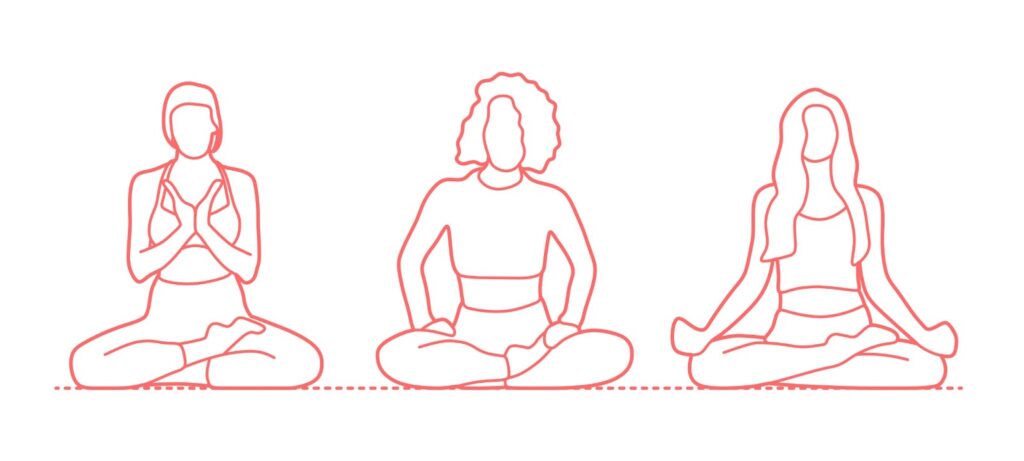
Let’s delve into the steps to perform Ardha Padmasana-
- Prepare Your Space: Begin by finding a quiet, serene space conducive to your practice. Lay down a yoga mat or a soft surface to provide cushioning and support.
- Assume a Comfortable Seated Position: Sit on the mat with your legs extended in front of you, and make your spine erect, and your shoulders relaxed.
- Bend Your Right Knee: Bring your right foot towards your left hip crease, allowing the sole of your right foot to face upward.
- Place Your Left Foot: Flex your left knee and gently place your left foot on your right thigh, drawing it towards your right hip crease. The sole of your left foot should face upward, and the heel should rest near your navel.
- Adjust Your Position: Ensure that your pelvis remains grounded and your spine elongated. Find a comfortable position for your hands, such as placing them on your knees, in a mudra, or simply resting them on your thighs.
- Maintain the Pose: Once in Ardha Padmasana, focus on your breath. Inhale deeply, expand your chest, and exhale slowly, releasing any tension in your body. Hold the pose for a duration that feels comfortable, gradually increasing it with practice.
- Release with Care: To come out of the pose, slowly relax your legs and take a seat again. Take a moment to notice any sensations or changes in your body before transitioning to the next posture.
Precautions and Modifications
While Ardha Padmasana offers numerous benefits, it’s essential to approach it with mindfulness and respect for your body’s limitations. Here are some adjustments and safety measures to think about:
- Avoid Overexertion: If you experience discomfort or strain while attempting Ardha Padmasana, refrain from pushing your body beyond its limits. Instead, focus on gentle stretching and gradual progress over time.
- Use Props: If sitting in Ardha Padmasana feels challenging, you can place a folded blanket or cushion beneath your hips for added support. This modification helps elevate the hips and reduce strain on the knees and ankles.
- Alternative Leg Positioning: If placing the foot on the opposite thigh feels inaccessible, you can opt for a modified version by placing the foot on the inner thigh of the opposite leg or simply cross-legged.
- Consult a Teacher: If you’re new to yoga or have any pre-existing injuries or medical conditions, it’s advisable to seek guidance from a qualified yoga instructor. They can offer personalised modifications and ensure that you practice safely.
Also Read – Lotus Pose (Padmasana): What is a Lotus Pose?
Variations of Ardha Padmasana
- Ardha Padmasana Twist: From Ardha Padmasana, inhale deeply, and as you exhale, twist your torso towards the bent knee. Place your opposite hand on the outer thigh and the other hand behind you for support. Hold the twist for a few breaths, then gently release and switch sides.
- Ardha Padmasana Forward Fold: Extend your arms forward as you fold your torso over the bent leg. Keep your spine long and reach towards your foot. Hold the forward fold for several breaths, then slowly release and switch sides.
- Ardha Padmasana with Mudra: Incorporate hand mudras such as Chin Mudra (thumb and index finger touching) or Gyan Mudra (thumb and index finger touching, other fingers extended) while holding Ardha Padmasana to deepen your meditative experience.
Conclusion
Ardha Padmasana serves as a gateway to inner peace and physical well-being, inviting practitioners to explore the delicate balance between effort and ease. By incorporating this pose into your yoga practice with mindful awareness and respect for your body, you can unlock its myriad benefits and begin a journey of self-discovery and transformation. Remember to approach Ardha Padmasana benefits with patience, curiosity, and a willingness to embrace the present moment, allowing its profound wisdom to unfold organically on your path to holistic wellness.
Rishikul Yogshala stands as a beacon of traditional wisdom and modern enlightenment in the serene environs of Rishikesh, often hailed as the world’s yoga capital. As a distinguished Yoga School in Rishikesh, we embody the essence of ancient yogic teachings while offering a contemporary 200 Hour Yoga TTC in Rishikesh. Rooted in authenticity, the school provides comprehensive Yoga courses in Rishikesh, empowering individuals to start a transformative journey of self-discovery and holistic well-being.
This article is for general information and is not medical advice. If you have a respiratory or heart condition, are pregnant, or are unsure whether these practices suit you, please speak to your doctor before beginning.

 +91-8433225327,
 Rishikul Yogshala Rishikesh, Narayan Kunj, Jonk Village, Ram Jhula, Swarg Ashram, Rishikesh, Uttarakhand 249304
 By Airway
 By Railway
 By Bus/Cabs