








Padmasana (Lotus Pose): Steps, Benefits, and Modifications for Your Comfort
Table of Contents
- What is Lotus Pose (Padmasana)?
- How to Do a Padmasana
- Mudras in a Lotus Yoga Pose
- What Are the Benefits of Padmasana?
- 1. Supports a Stable Meditation Posture
- 2. Encourages an Upright Posture
- 3. Improves Hip Mobility
- 4. Encourages Body Awareness
- 5. Supports a Calm Yoga Practice
- Can Padmasana Improve Flexibility?
- How Can Beginners Practice Padmasana?
- What Are the Common Mistakes to Avoid in Padmasana?
- Forcing the knees down
- Pulling the feet into position
- Rounding the back
- Ignoring knee or ankle discomfort
- Staying in the pose for too long
- What Are the Easier Variations of Padmasana?
- 1. Sukhasana (Easy Pose)
- 2. Ardha Padmasana (Half Lotus)
- 3. Supported Sitting
- Who Should Avoid Padmasana?
- How Long Should You Hold Padmasana?
- Conclusion
- Frequently Asked Questions
- Is Lotus Pose bad for your knees?
- Why do my knees hurt in Padmasana?
- Can everyone do full Lotus Pose?
- How long does it take to learn Lotus Pose?
- How long should you sit in Padmasana?
- Do I need Lotus Pose to meditate?
- Which leg goes on top first?
- Can I do Padmasana after eating?
- What’s the difference between Padmasana and Sukhasana?
What is Lotus Pose (Padmasana)?
Padmasana, also known as Lotus Pose, is a traditional seated yoga posture in which the legs are crossed and each foot rests on the opposite thigh. The spine is kept upright while the hands rest comfortably on the knees or thighs.
Padmasana is commonly used for meditation and breathing practices because it provides a stable seated position. However, the full pose requires good mobility in the hips, knees, and ankles, so it should not be forced.
If you are new to Padmasana, it is better to first work on hip and leg mobility and gradually build comfort in seated poses.
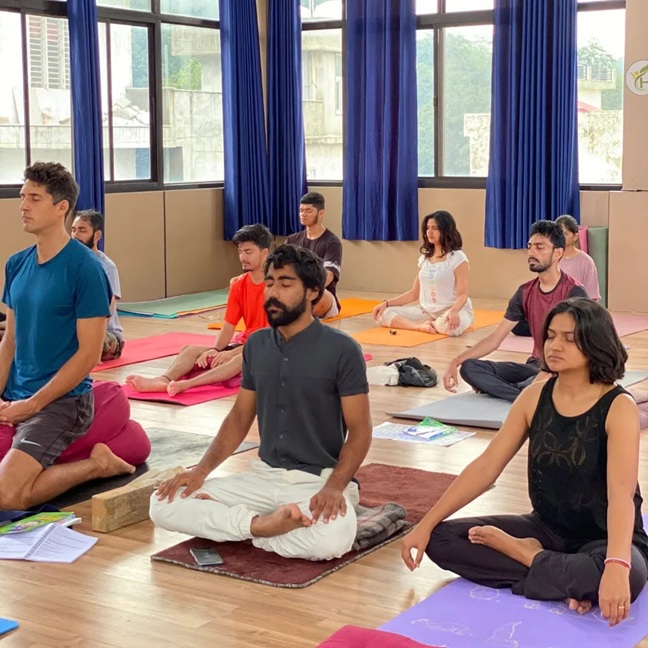
Learn how to do the lotus position and gain the never-ending benefits that come with it!
How to Do a Padmasana
Padmasana requires mobility in the hips, knees, and ankles. If these areas feel tight, trying to force your legs into the full position can make the pose uncomfortable.
Before practicing Lotus Pose, spend a few minutes warming up with gentle movements and seated poses such as:
- Baddha Konasana (Butterfly Pose)
- Sukhasana (Easy Pose)
- Janu Sirsasana (Head-to-Knee Pose)
- Ardha Padmasana (Half Lotus Pose)
- Gentle hip-opening movements
- Ankle and knee mobility exercises
Move slowly and stay within a comfortable range. The goal of these preparatory practices is to help your body become ready for Padmasana rather than forcing the final position.
Mudras in a Lotus Yoga Pose
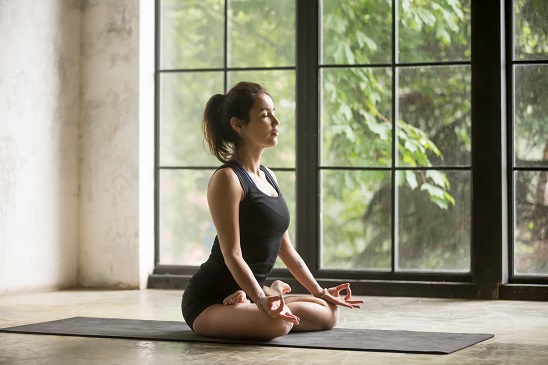
You must have seen all yogis holding a gesture with their hands when they perform the Padmasana posture. Those are called mudras, a symbolic and sacred gesture in Jainism, Hinduism, Buddhism, and yoga. It helps in
- Linking your body and brain
- Stimulate endorphins
- Change your mood
- Increase your vitality
- Soothe pain
There are different mudras in yoga, but while doing the deep lotus pose, you can deepen your meditation by doing the following mudras:
- Brahma Mudra: Hide your thumb in your fist
- Chinmayi Mudra: Join the tips of your index and thumb while the rest of the fingers are closed on your palm
- Chin Mudra: Join the tips of your index and thumb while stretching the other fingers outwards
What Are the Benefits of Padmasana?
Padmasana is traditionally used as a stable seated posture for meditation and pranayama. Its main value comes from creating a steady base while keeping the spine upright.
Regular practice may offer several benefits when the pose is suitable for your body:
1. Supports a Stable Meditation Posture
The crossed-leg position can provide a steady base for sitting during meditation and breathing practices.
2. Encourages an Upright Posture
Keeping the spine naturally upright while sitting can help develop better awareness of your sitting posture.
3. Improves Hip Mobility
Padmasana requires considerable hip rotation. Working gradually toward the pose can help improve mobility when practiced safely.
4. Encourages Body Awareness
Because the position requires attention to the hips, knees, ankles, and spine, Padmasana can help you become more aware of how your body feels during practice.
5. Supports a Calm Yoga Practice
Padmasana is often used during meditation and pranayama. Sitting quietly in the posture can help create a suitable setting for a more focused practice.
The benefits of Padmasana depend on your individual mobility and how comfortably you can practice the posture. You should never force the legs into the full position.
Can Padmasana Improve Flexibility?
Padmasana requires flexibility and mobility, particularly around the hips and ankles. Practicing suitable preparatory poses regularly may help improve your range of movement over time.
However, Padmasana should not be treated as a test of flexibility. You do not need to achieve the full Lotus position to benefit from yoga.
If your hips are tight, begin with easier seated postures such as Sukhasana or Half Lotus. Gradual practice is safer than trying to force both feet into position.
How Can Beginners Practice Padmasana?
If you are new to Padmasana, you do not need to start with the full Lotus Pose. Begin with a comfortable seated position and gradually work toward greater hip mobility.
You can start with Sukhasana or Ardha Padmasana and spend a few breaths noticing how your hips, knees and ankles feel.
When you are ready to try the full pose, move slowly and never force the knees toward the floor. If your body does not comfortably allow the feet to rest on the opposite thighs, return to an easier variation.
With regular practice, you may become more comfortable in seated poses. However, flexibility develops differently for everyone, and some people may not be suited to the full expression of Padmasana.
What Are the Common Mistakes to Avoid in Padmasana?
Padmasana may look simple, but the position requires careful attention to the hips, knees and ankles. Avoid these common mistakes:
Forcing the knees down
Do not press your knees toward the floor to make the pose look deeper. Let the hips gradually become more mobile with practice.
Pulling the feet into position
Avoid aggressively pulling the feet onto the thighs. Move the legs gently and stop if you feel pain.
Rounding the back
Try to keep the spine naturally upright rather than collapsing forward. Relax the shoulders and keep the chest comfortable.
Ignoring knee or ankle discomfort
A strong stretch around the hips can be normal, but sharp or painful sensations in the knees or ankles should not be ignored.
Staying in the pose for too long
If you are a beginner, start with a short, comfortable hold. Increase the duration gradually as your body adapts.
Padmasana should feel steady and comfortable. A deeper position is not necessarily a better position.

What Are the Easier Variations of Padmasana?
If full Lotus Pose is not comfortable, you can use simpler variations while developing your practice.
1. Sukhasana (Easy Pose)
Sit comfortably with the legs crossed. This is one of the simplest alternatives to Padmasana for meditation.
2. Ardha Padmasana (Half Lotus)
Place one foot on the opposite thigh while keeping the other leg underneath. Practice both sides over time.
3. Supported Sitting
If sitting on the floor feels uncomfortable, sit on a folded blanket or firm cushion. A slightly raised seat can make it easier to keep the spine upright.
These variations allow you to work on your seated posture without forcing the hips, knees, or ankles into the full Lotus position.
Who Should Avoid Padmasana?
Padmasana places the legs in a strong position of hip rotation, so it may not be suitable for everyone.
If you have a current knee, hip, or ankle injury, avoid forcing yourself into Lotus Pose. People recovering from surgery or dealing with ongoing joint problems should seek appropriate professional advice before practicing the pose.
Stop if you experience sharp pain, numbness, or significant discomfort.
If full Padmasana is not comfortable, choose a simpler seated posture such as Sukhasana or Half Lotus instead. Yoga should work with your body rather than against it.
How Long Should You Hold Padmasana?
There is no fixed amount of time that everyone needs to spend in Padmasana.
If you are a beginner, start with a short period and focus on sitting comfortably with natural breathing. As your body becomes more accustomed to the position, you can gradually increase the duration.
For meditation or pranayama, the most important thing is to remain comfortable and maintain a steady posture. If your knees, hips or ankles start to hurt, release the pose and rest.
Conclusion
Padmasana is more than a seated yoga posture. It can become a steady foundation for meditation, pranayama and quiet self-practice. While the full Lotus Pose requires good mobility in the hips and legs, there is no need to rush into it or force the body.
Start with simple variations, prepare your hips and legs, and give your body enough time to become comfortable with the position. With patience and regular practice, you can gradually develop greater awareness, stability and ease in your seated practice.
For those who want to explore yoga beyond individual asanas and learn the traditional practices in a structured environment, Yoga Teacher Training in Rishikesh can be a meaningful next step. At Rishikul Yogshala Rishikesh, students can build their understanding of yoga through asana practice, pranayama, meditation, philosophy and teaching methodology.
Whether your goal is to deepen your personal practice or understand yoga more deeply, let your progress come naturally. In yoga, consistency and awareness matter more than forcing yourself into a particular pose.
Frequently Asked Questions
Is Lotus Pose bad for your knees?
Not if the rotation comes from the hips. Injuries happen when stiff hips force the knee to rotate instead — the knee is a hinge and doesn’t rotate. Practise hip openers first, and come out at any knee sensation.
Why do my knees hurt in Padmasana?
Almost always because your hips aren’t externally rotating enough, so the strain transfers down to the knee. Stop, work on Baddha Konasana and Sukhasana, and use Half Lotus in the meantime.
Can everyone do full Lotus Pose?
No. Hip socket depth and femoral bone shape vary between people, and some bodies simply won’t reach it however much they practise. That’s anatomy, not lack of effort, and Half Lotus or Sukhasana serves meditation equally well.
How long does it take to learn Lotus Pose?
Anywhere from a few months to several years, depending on your hips. Sit in Sukhasana daily, add hip openers, and let Half Lotus come first.
How long should you sit in Padmasana?
Begin with one to two minutes per side and build up. Alternate which leg crosses on top so the hips develop evenly.
Do I need Lotus Pose to meditate?
No. A steady, upright spine is what matters. Sukhasana, kneeling on a cushion, or a chair all work — the classical texts value stability and ease, not leg position.
Which leg goes on top first?
Either, but alternate. Always crossing the same way builds asymmetry in the hips over time.
Can I do Padmasana after eating?
Wait two to three hours. The pose compresses the abdomen and is uncomfortable on a full stomach.
What’s the difference between Padmasana and Sukhasana?
Sukhasana is a simple cross-legged seat with feet under the opposite legs. Padmasana places both feet on top of the opposite thighs and needs far more hip rotation.
This article is for general information and is not medical advice. If you have a respiratory or heart condition, are pregnant, or are unsure whether these practices suit you, please speak to your doctor before beginning.

 +91-8433225327,
 Rishikul Yogshala Rishikesh, Narayan Kunj, Jonk Village, Ram Jhula, Swarg Ashram, Rishikesh, Uttarakhand 249304
 By Airway
 By Railway
 By Bus/Cabs