








Mantra Yoga: A Gentle Guide to the Sacred Sound Practice of Yoga
Table of Contents
Mantra Yoga is one of yoga’s most ancient practices and quietly one of its most accessible. At its heart, it’s simple: a sound, repeated, becomes a vehicle for the mind. Sometimes the sound is a single syllable like Om. Sometimes it’s a longer phrase from a Vedic verse. The repetition focuses the wandering mind, the sound itself carries an inner resonance, and over time the practice softens what’s stiff in us. In this guide, we’ll meet Mantra Yoga gently, look at what it is and isn’t, and explore how to begin with the simplest mantras.
Introduction
Mantras have been a part of yoga practice for centuries and are a powerful tool for Meditation and mindfulness. They are used to still the mind, focus attention, and align the body, mind, and spirit. When used properly, mantras can help to create a sense of inner peace and calm, increase self-awareness, and promote spiritual growth. In this article, we will explore the benefits of incorporating mantras into your yoga practice and provide tips on how to effectively use them.
What are Mantras Yoga (मंत्र योग क्या है)?
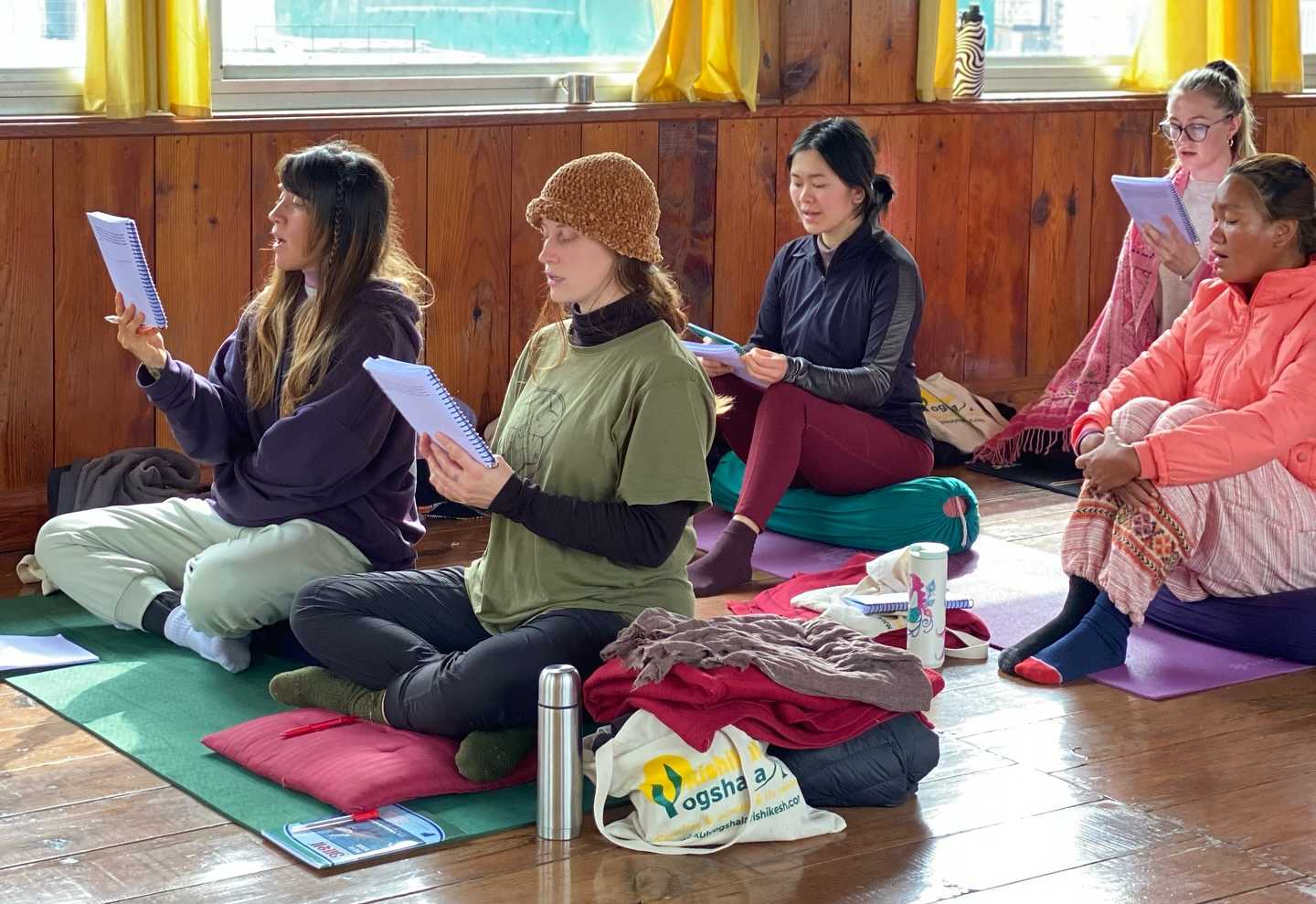
Mantras are words or phrases that are repeated over and over again to create a meditative state. They can be either spoken out loud or repeated silently in the mind. In yoga, mantras are often used to help still the mind and bring the focus inward, making it easier to enter a meditative state.
Mantras Yoga Benefits and Techniques (Overview)
| Benefits of Mantras Yoga | Techniques for Incorporating Mantras into Your Practice |
| Benefits of Mantra Yoga | Meditation, Mindfulness techniques, Chanting during yoga poses, Incorporating mantras into your daily routine, Repeating mantras during moments of stress or anxiety |
Function of Mantra Yoga
The function of Mantras Yoga can be summarized as follows:
- Mind Stilling: Mantras are used as a tool to calm the mind and still mental chatter, creating a state of inner peace and serenity.
- Increased Self-Awareness: Mantras help increase self-awareness and promote a deeper understanding of the self.
- Spiritual Growth: Mantras can be used to deepen one’s spiritual connection and promote spiritual growth.
- Stress and Anxiety Reduction: Mantras can be used as a tool to reduce stress and anxiety, promoting feelings of peace and calm.
- Improved Focus and Concentration: Mantras help improve focus and concentration, making it easier to stay present in the moment and avoid distractions.
- Emotional Healing: Mantras can be used to help release negative emotions and promote emotional healing.
- Physical Healing: Some mantras are believed to have the ability to heal physical ailments, such as headaches, digestive problems, and more.
Overall, the function of mantras yoga is to create a state of inner peace, promote self-awareness, and bring about physical and emotional benefits.
How to Use Mantras Yoga
- Choose a Mantra that Resonates With You: Choose a mantra that resonates with your personal beliefs and values. This will help to make the mantra more powerful and effective.
- Repeat the Mantra During Meditation: Repeat the mantra during meditation or while practising yoga. This will help to still the mind and bring the focus inward.
- Repeat the Mantra Throughout the Day: Repeat the mantra throughout the day to maintain a sense of inner peace and calm. This can be done silently in the mind or spoken out loud if appropriate.
Common Mantras Used in Yoga
- Om: Om is one of the most well-known and widely used mantras in yoga. It is considered to be the universal sound of creation and is often used to connect with a higher power.
- So Hum: So Hum is a Sanskrit mantra that translates to “I am that.” It is used to promote a sense of unity and interconnectedness with all things.
- Lokah Samastah Sukhino Bhavantu: This Sanskrit mantra translates to “May all beings everywhere be happy and free.” It is used to promote compassion and a sense of connection with others.
Tips For Incorporating Mantras Into Your Yoga Practice
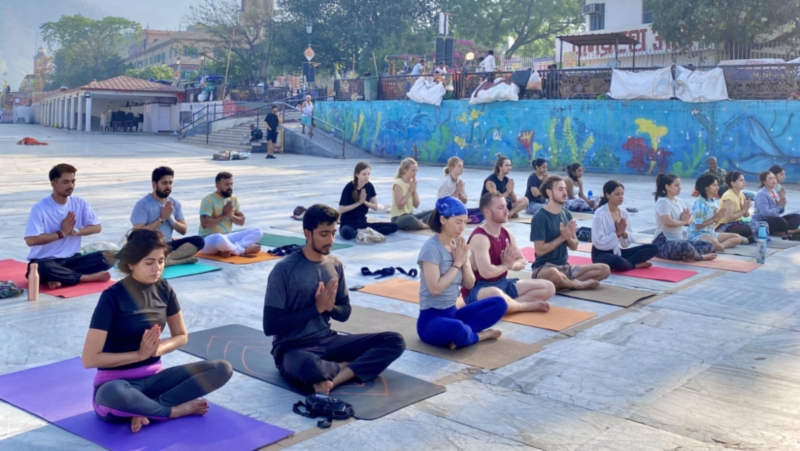
- Find a Mantra That Resonates With You: Take some time to explore different mantras and find one that speaks to you and aligns with your personal beliefs and intentions.
- Make It a Daily Practice: Incorporating mantras into your daily life can help make it a consistent and natural part of your routine. Try repeating your chosen mantra during meditation, while performing daily tasks, or during moments of stress or anxiety.
- Chant During Yoga Poses: Try incorporating your chosen mantra into your yoga practice by chanting it during poses or during your warm-up and cool-down.
- Use Visualization: Visualize the meaning of your chosen mantra and imagine the positive energy and benefits it brings as you repeat it.
- Create a Quiet Environment: Find a quiet and peaceful environment to practice mantras in, free from distractions and interruptions.
- Focus on Your Breath: As you repeat your mantra, focus on your breath and try to synchronize your breath with the rhythm of your mantra.
- Be Patient: Mantras can take time to have an effect, so be patient and continue your practice consistently. The more you incorporate mantras into your life, the more natural and intuitive they will become.
Conclusion
Mantras play an important role in yoga and can be used to help still the mind, increase self-awareness, and promote spiritual growth. Whether you are new to yoga or have been practising for years, incorporating mantras into your routine can enhance your experience and deepen your connection to the practice. So start repeating your favourite mantras and feel the positive impact they can have on your life.
To learn more about the Mantras Yoga, you can join a Yoga School in Rishikesh, and also deepen your practice with meditation, mudra, pranayama, especially courses like the 200 Hour Teacher Training Course in Rishikesh and the300 Hour Teacher Training in Rishikesh, etc. We have the best teachers to deepen your knowledge.
Last Modified Date: 27th September 2025
This article is for general information and is not medical advice. If you have a respiratory or heart condition, are pregnant, or are unsure whether these practices suit you, please speak to your doctor before beginning.

 +91-8433225327,
 Rishikul Yogshala Rishikesh, Narayan Kunj, Jonk Village, Ram Jhula, Swarg Ashram, Rishikesh, Uttarakhand 249304
 By Airway
 By Railway
 By Bus/Cabs