


Rishikesh vs Goa vs Kerala: Where Should You Do Your Yoga TTC?
Table of Contents
- First, What Actually Matters in a Yoga Teacher Training?
- Recognition
- The Teachers
- The Daily Schedule
- Group Size, Food, Room Type and Price
- Rishikesh: The “Yoga Capital of the World”
- The Atmosphere
- The Teaching Style
- Food and Lifestyle
- Cost
- Weather
- Getting There
- Who It Suits
- Who Might Struggle
- Goa: Beach Days and a Social Crowd
- The Atmosphere
- The Teaching Style
- Food and Lifestyle
- Cost
- Weather and Season
- Getting There
- Who It Suits
- Who Might Struggle
- Kerala: Yoga, Ayurveda and a Slower Pace
- The Atmosphere
- The Teaching Style
- Food and Lifestyle
- Cost
- Weather and Season
- Getting There
- Who It Suits
- Who Might Struggle
- Side-by-Side Comparison – Rishikesh vs Goa vs Kerala
- So, Which One Is Right for You?
- How to Pick a School (Wherever You Go)
- Final Thoughts
- Frequently Asked Questions
- Which is better for yoga teacher training, Rishikesh, Goa or Kerala?
- Which is the cheapest place for a 200-hour YTT in India?
- What’s the best time of year for yoga teacher training in India?
- Is Yoga Alliance registration necessary?
- Can beginners join a 200-hour course?
- How long does a 200-hour training take?
- Is it safe for solo female travellers?
- Can I train in Goa during the monsoon?
You’ve decided to become a yoga teacher.
Great. Now comes the hard part.
Which place do you pick?
Most trainees head to India, and three names keep coming up: Rishikesh, Goa, and Kerala. Each one promises a life-changing month. Each one has hundreds of schools. And each one will give you a very different experience.
Picture two students finishing the same 200-hour course. One spent four weeks beside the Ganges, in a quiet Himalayan town where the day starts with chanting. The other spent four weeks near the sea, practising at sunrise and eating fresh fruit on the sand. Both are certified. Their stories couldn’t be more different.
So how do you choose? This guide compares all three on cost, weather, teaching style, food, atmosphere and who each place suits best.
The Short Answer
If you’re short on time, here’s the quick version.
- Choose Rishikesh if you want traditional, focused training in a spiritual town, with a wide choice of registered schools and a friendlier budget. It’s the most common starting point for first-time trainees.
- Choose Goa if you want a relaxed, beachside month with a social, international crowd, and you’ll be there between roughly November and March.
- Choose Kerala if you want yoga paired with Ayurveda in a calm, green, coastal setting, especially around Varkala.
No place is “best” for everyone. The best one matches how you learn and how you like to live for a month.
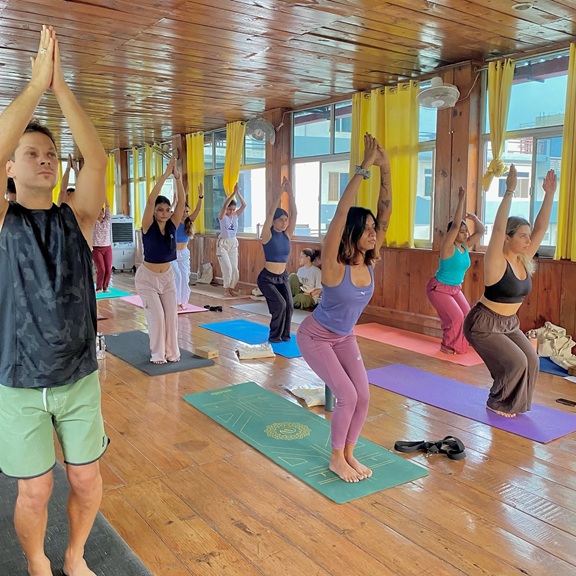
First, What Actually Matters in a Yoga Teacher Training?
Location is only part of a good training. Check these first.
Recognition
Most people take a 200-hour course, the standard entry-level qualification for teaching. Schools registered with Yoga Alliance (a US-based registry many studios worldwide look at) let graduates apply to register as teachers themselves. Always check a school’s listing in the Yoga Alliance directory instead of trusting the logo on its website.
The Teachers
Ask who actually teaches, how long they’ve taught, and which lineage they follow. A beautiful shala with weak teaching is a bad trade.
The Daily Schedule
A typical 200-hour course includes yoga postures, breathing practice, meditation, anatomy, philosophy and teaching practice. Days are long and often start before sunrise.
Group Size, Food, Room Type and Price
These shape your month more than most people expect. Small groups mean more feedback. Good food keeps your energy up. A private room helps if you need quiet to recover.
Rishikesh: The “Yoga Capital of the World”
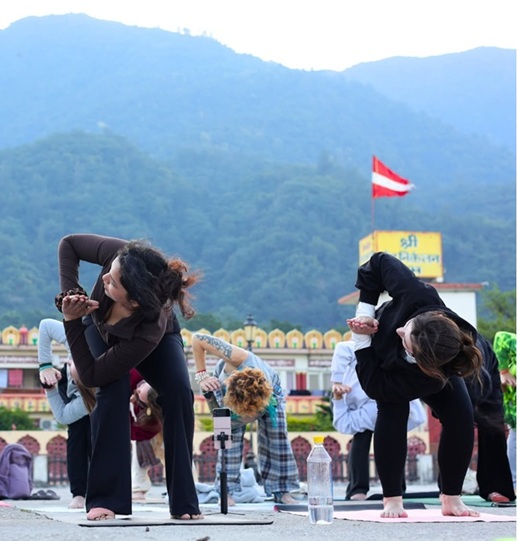
Rishikesh calls itself the yoga capital of the world, and it has a fair claim. Sitting in the Himalayan foothills where the Ganges leaves the mountains, it has drawn sages, seekers and students for generations.
The Atmosphere
It feels like a pilgrimage town, because it is one. You’ll hear temple bells, see saffron-robed sadhus and watch the evening Ganga Aarti, a fire ritual held on the river’s banks every day. Every March the town hosts the International Yoga Festival at Parmarth Niketan, which has drawn participants from dozens of countries in recent years. Few places let you step out of class and straight into the culture yoga came from.
The Teaching Style
Many schools here lean traditional: Hatha, Ashtanga, pranayama, meditation, and yogic philosophy. If you want to understand where modern yoga comes from, and not only how to sequence a class, Rishikesh gives you a strong base. Because so many schools are registered with Yoga Alliance, you also have real choice. You can compare teachers, group sizes, and schedules instead of settling for the only option nearby.
Food and Lifestyle
The town is largely vegetarian and alcohol-free, in line with its holy-town status. For some people, that’s a limit. For many students, it’s a relief, because fewer distractions make it easier to focus on the training. Simple sattvic meals fit the routine well.
Cost
Rishikesh is usually the most affordable of the three. Listings for 200-hour courses commonly range from about $ 1,200 to $2,000, depending on the school, room type, and what’s included. Many programmes bundle shared accommodation and three vegetarian meals a day. For a first training, that value matters. Prices change by season, so confirm current rates directly.
Weather
Spring (March to April) and autumn (September to November) are generally the most comfortable. Summers can get very hot, the monsoon in July and August brings heavy rain, and winter mornings can be properly cold. Plan your dates around this.
Getting There
The nearest airport is Jolly Grant in Dehradun, roughly an hour’s drive away. Haridwar is the closest major railway station.
Who It Suits
Students who want tradition, structure and good value. Also anyone who is comfortable in a busy, spiritual Indian town and wants the training to feel like more than a holiday.
Who Might Struggle
Anyone who wants beaches or nightlife, or who is bothered by crowds, noise and the odd stray cow in the lane.
Goa: Beach Days and a Social Crowd
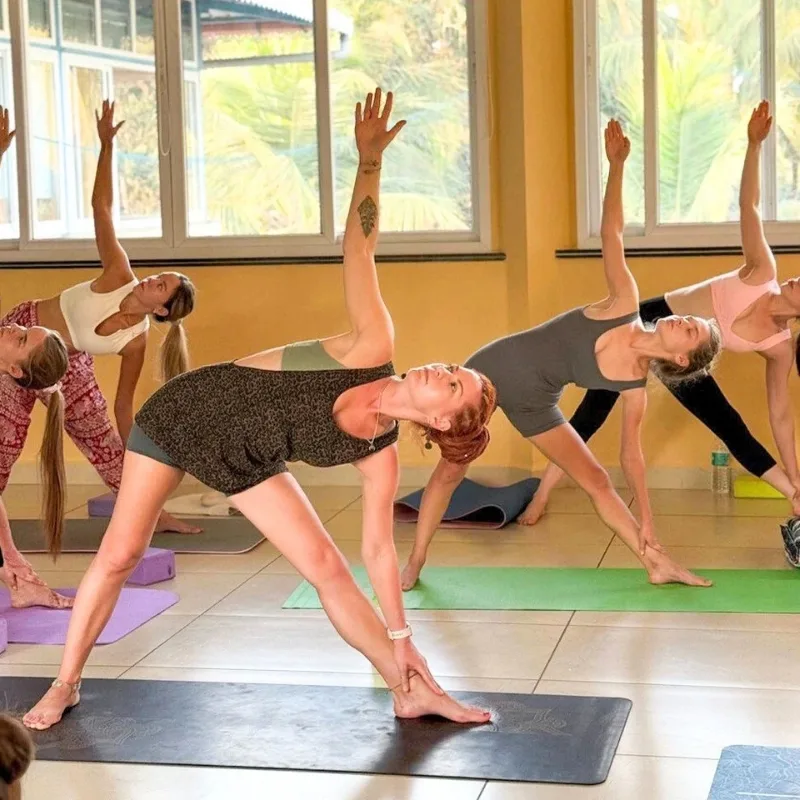
Goa is the picture most people have first: palm trees, white sand and sunrise practice by the sea.
The Atmosphere
Relaxed and international. North Goa (Arambol, Mandrem, Morjim) is livelier and more bohemian. South Goa (Palolem, Agonda) is quieter. You’ll meet travellers from everywhere, and that social side is a big reason people choose it.
The Teaching Style
Goa leans toward variety. Multi-style courses are common, mixing Hatha, Vinyasa, Ashtanga, Yin and meditation, plus niche trainings like Yin therapy, sound healing and Ayurveda. That’s good if you want a broad toolkit. The range is wide, so it pays to research each school’s teachers and lineage carefully. Casual beach classes are enjoyable but are not the same as a structured teacher training.
Food and Lifestyle
More varied, with fresh fruit and plenty of cafes nearby. Most training programmes still serve vegetarian meals. Alcohol and nightlife are easy to find, which some students enjoy, and others find distracting during a demanding course.
Cost
Listings vary widely. Shorter and 100-hour programmes start from roughly $580, while full 200-hour trainings in beach locations often fall between about $1700 and $2000 or more. The setting and private rooms can push the price up.
Weather and Season
Goa has a clear season. High season runs from about November to February, and the beach scene generally runs November to March. From June to September, the monsoon arrives. Some schools stay open with quieter, more indoor-focused training, but beach life slows right down, and some schools reduce activity.
Getting There
Dabolim is the main airport, and there’s a newer airport in North Goa. Most schools help arrange pickup.
Who It Suits
Students who want a social, sunny month and don’t mind paying a bit more for the setting.
Who Might Struggle
People who want a strict routine and a quiet environment, or who get distracted easily.
Kerala: Yoga, Ayurveda and a Slower Pace
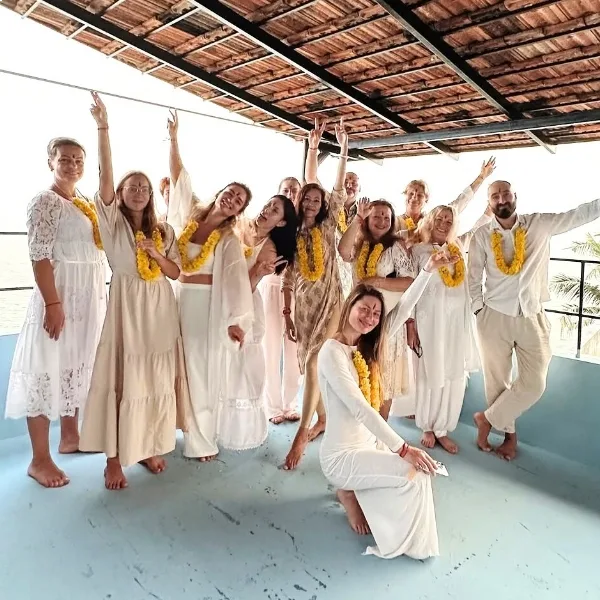
Kerala is the quiet one of the three, and many people who go there come back fans.
The Atmosphere
Green, humid and calm. Kerala is widely known as the home of Ayurveda, India’s traditional system of medicine. Most trainings happen around Varkala, a cliff-top beach town with a small, relaxed feel. It also has the Janardanaswamy Temple, said to be around 2,000 years old.
The Teaching Style
Kerala is where yoga is most often combined with Ayurveda. Courses may cover diet, daily routines, body types and herbal wellness alongside postures and philosophy. If you’re drawn to the health side of yoga, that’s a real advantage. Many courses also include Hatha, Ashtanga and meditation.
Food and Lifestyle
Rice, coconut, vegetables and lots of fresh flavour. Training meals are mostly vegetarian and designed around Ayurvedic ideas. The pace is slower than Goa.
Cost
Usually between Rishikesh and Goa. Listings for 200-hour courses are often in the region of $1500 and up. Check what the price covers.
Weather and Season
Tropical and humid all year. The monsoon runs roughly June to September. Most training happens from about October to March, when it’s more comfortable.
Getting There
The nearest airport to Varkala is Thiruvananthapuram, about an hour or so by road.
Who It Suits
Students who want a calm setting, an Ayurvedic angle, and a balanced mix of study and rest.
Who Might Struggle
People who want a big social scene, or who find heat and humidity hard.
Side-by-Side Comparison – Rishikesh vs Goa vs Kerala
| Rishikesh | Goa | Kerala (Varkala) | |
|---|---|---|---|
| Vibe | Spiritual, traditional, focused | Beachy, social, relaxed | Calm, green, coastal |
| Typical style | Hatha, Ashtanga, philosophy | Multi-style, Vinyasa, Yin | Hatha, Ashtanga + Ayurveda |
| Approx. 200-hr cost | Lowest ($1200–$2,000 range) | Wide range (about $1700–$2000+) | Mid-range (often $1,500+) |
| Choice of registered schools | Very large | Large | Smaller |
| Best season | Mar–Apr, Sep–Nov | Nov–Mar | Oct–Mar |
| Food | Vegetarian, alcohol-free town | Varied, easy nightlife | Kerala-style, Ayurvedic-friendly |
| Nearest airport | Dehradun (Jolly Grant) | Dabolim / North Goa | Thiruvananthapuram |
| Best for | Tradition, focus, value | Social, sunny month | Ayurveda, slower pace |
Prices are approximate, based on publicly listed ranges. Confirm current fees before booking.
Also Read: Best Yoga Teacher Training Courses in India
So, Which One Is Right for You?
If this is your first training, Rishikesh is a safe place to start. You get tradition, a huge choice of registered schools, and a supportive environment built around yoga, not tourism.
If budget matters, Rishikesh usually gives the most for your money.
If you want to understand yoga’s roots, Rishikesh again. The Ganges, the ashrams, and the evening aarti are part of the education.
If you want a sunny, social month, Goa is hard to beat in season.
If you’re curious about Ayurveda, Kerala fits best.
If you’re travelling solo, all three are common choices, including for women. Read recent reviews, ask the school about pickup and accommodation, and avoid arriving late at night somewhere unfamiliar.
If you’re a complete beginner, don’t panic. Many 200-hour courses welcome students with regular practice and an open mind. Ask the school what level it expects.
How to Pick a School (Wherever You Go)
- Look up the school on Yoga Alliance and confirm which hours it’s registered for.
- Read recent reviews on several platforms. Look for detailed ones from the past year.
- Ask about the teachers: who teaches anatomy and philosophy, and for how long?
- Ask about group size. Smaller usually means better feedback.
- Get the daily schedule in writing.
- Check what’s included: meals, room, materials, pickup, certificate fees.
- Read the refund and cancellation policy.
- Message the school with a few questions. A clear, friendly reply tells you a lot.
Final Thoughts
Rishikesh, Goa, and Kerala all produce good teachers. What differs is the experience around the training.
Goa gives you sunshine and a social crowd. Kerala gives you calm and an Ayurvedic angle. Rishikesh gives you tradition, focus, value, and the most choice, which is why so many first-time trainees end up there.
Think about how you learn best and what you want to do with your certificate. Then shortlist two or three schools, ask plenty of questions, and pick the one that feels right.
The right place is the one where you can focus, grow, and come home ready to teach.
Frequently Asked Questions
Which is better for yoga teacher training, Rishikesh, Goa or Kerala?
It depends on you. Rishikesh suits tradition, focus and value. Goa suits a social beach month. Kerala suits yoga with Ayurveda and a calmer pace.
Which is the cheapest place for a 200-hour YTT in India?
Rishikesh is generally the most affordable, with many courses listed from around $600. Prices vary by school and room type.
What’s the best time of year for yoga teacher training in India?
Rishikesh is most comfortable in spring and autumn, Goa from about November to March, and Kerala from about October to March.
Is Yoga Alliance registration necessary?
Not legally, but many studios abroad like to see it. Check the school’s listing in the directory.
Can beginners join a 200-hour course?
Often yes, but it varies. Ask the school before booking.
How long does a 200-hour training take?
Residential courses are commonly three to four weeks, with long days.
Is it safe for solo female travellers?
Many women train solo in all three places. Choose a well-reviewed school, share your plans with someone and use normal travel precautions.
Can I train in Goa during the monsoon?
Some schools run courses from June to September with quieter, more indoor practice. Beach activity is limited, so check before booking.
This article is for general information and is not medical advice. If you have a respiratory or heart condition, are pregnant, or are unsure whether these practices suit you, please speak to your doctor before beginning.

 +91-8433225327,
 Rishikul Yogshala Rishikesh, Narayan Kunj, Jonk Village, Ram Jhula, Swarg Ashram, Rishikesh, Uttarakhand 249304
 By Airway
 By Railway
 By Bus/Cabs