








Bhujapidasana (Shoulder-Pressing Pose): A Gentle Guide to the Advanced Arm Balance with Threaded Legs
Table of Contents
- Bhujapidasana: The Powerful Shoulder-Pressing Pose in Yoga
- What is Bhujapidasana?
- Benefits of Bhujapidasana or the Shoulder-Pressing Pose
- Correct Form to Do Bhujapidasana or the Shoulder-Pressing Pose
- Tips and Techniques to Master Bhujapidasana
- Modifications for Bhujapidasana
- Common Mistakes to Avoid
- Precautions for Practicing Bhujapidasana
- Conclusion
Bhujapidasana: The Powerful Shoulder-Pressing Pose in Yoga
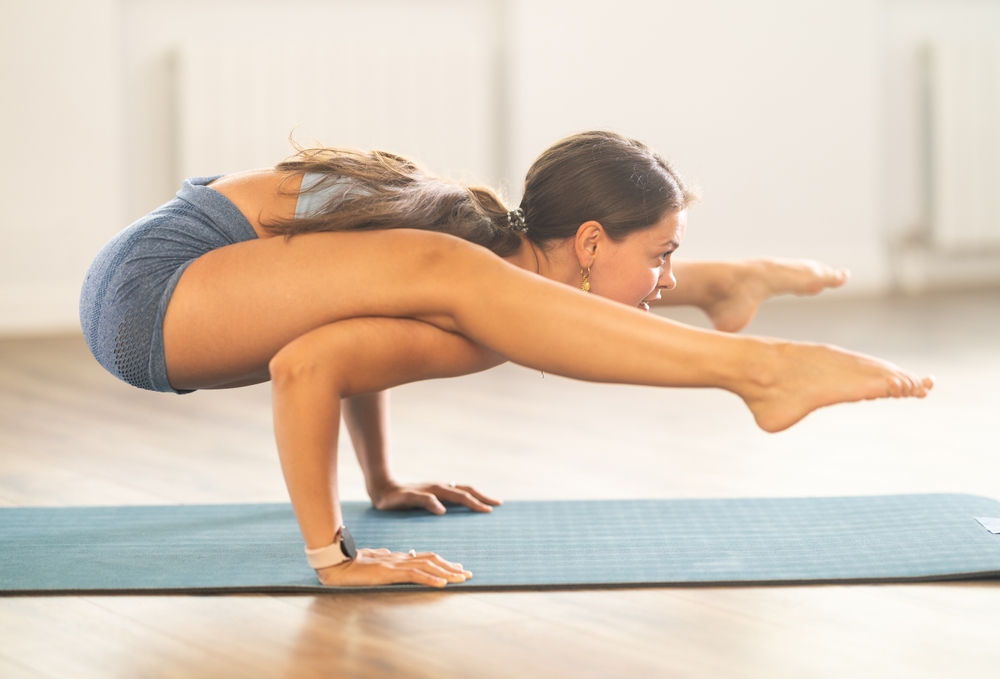
Bhujapidasana — the Shoulder-Pressing Pose — is one of yoga’s intricate advanced arm balances. From a deep squat, you thread the arms between the knees, hook the legs around the upper arms, plant the hands beside the hips, and lift the entire body off the floor. The name means ‘shoulder pressure’ (bhuja = arm/shoulder, pida = pressure) — and that’s exactly what the pose teaches: the arms become a platform, and the legs press into them. In this guide, we’ll meet Bhujapidasana with care, walk through the prerequisites, and be honest about the patient practice this advanced pose asks for.
One such powerful yoga asana is Bhujapidasana or the Shoulder-pressing pose. Although challenging, this pose is suitable for intermediate to advanced practitioners. However, even beginners can benefit from its positive effects with patience and practice. In this article, we will learn the meaning of Bhujapidasana, the correct form to perform it, its benefits, tips, and techniques for mastering the pose, modifications, common mistakes to avoid, and precautions to keep in mind while practicing the shoulder-pressing pose.
What is Bhujapidasana?
It is, also known as the Shoulder-pressing pose, is a challenging yet powerful yoga pose that strengthens the upper body and core. The name is derived from Sanskrit, where Bhuj means arm, Pida means pressure, and Asana means posture. Together, these words form the name ‘Shoulder Pressing Pose.’
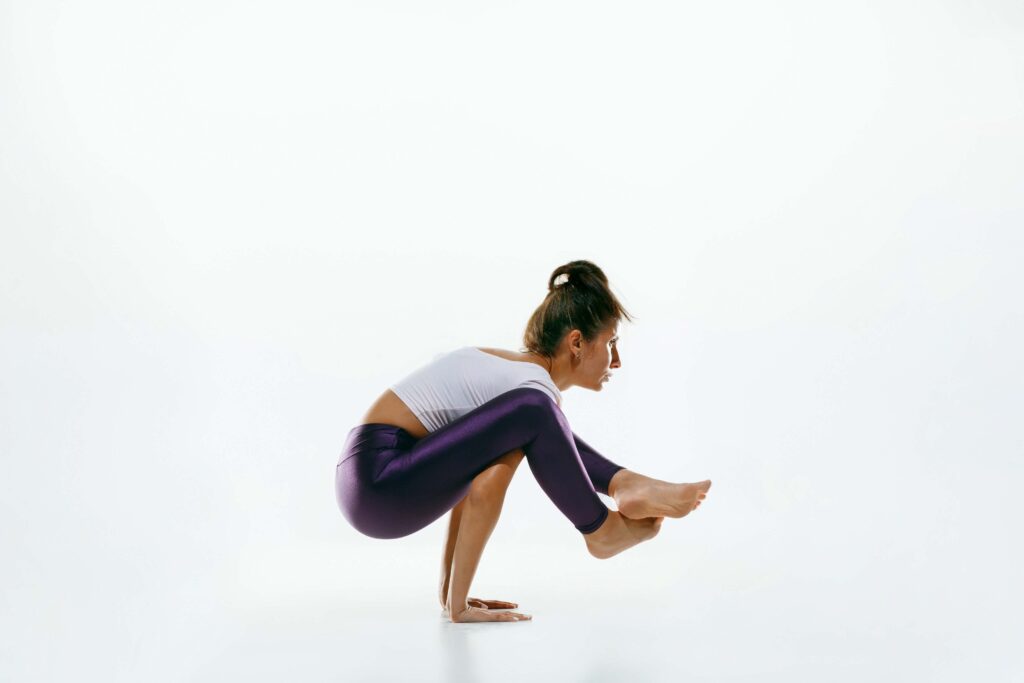
The challenging nature of Bhujapidasana makes it best for intermediate to advanced-level yoga practitioners. However, with the guidance of experienced and certified yoga instructors from our Yoga School in Rishikesh, even beginners can enjoy its many benefits. Bhujapidasana enhances physical fitness by strengthening the entire arms, including the biceps, triceps, wrists, shoulders, and core muscles. It promotes mental peace and focus by seeking balance and stability. Also, consistency in its practice paves the way for Dharana (concentration) and Dhyana (meditation), helping you progress spiritually.
Benefits of Bhujapidasana or the Shoulder-Pressing Pose
1. Strengthens the Arms
It requires the palms, wrists, elbows, biceps, triceps, and shoulders to be engaged, thereby strengthening the entire arms.
2. Improves Upper Body Stability
It requires the practitioner to lift the upper body off the floor, which helps improve upper body stability.
3. Tones the Abdominal Muscles
Holding the shoulder pressing pose and maintaining balance activates the abdominal muscles, which helps to tone them and increase core strength and stability.
4. Increases Hip Mobility
Bhujapidasana stretches and opens the hips and groin, increasing flexibility. It can improve overall mobility and ease of movement.
5. Increases Focus and Mindfulness
To maintain balance and stability while doing Bhujapidasana, the practitioner concentrates his entire attention on the breath and muscles. This engagement not only increases awareness but also promotes concentration and mindfulness.
6. Reduces Stress and Anxiety
Balancing the body in a Shoulder-pressing pose has significant positive effects on the practitioner’s physical, mental, and emotional health, reducing stress and anxiety and promoting calmness.
Correct Form to Do Bhujapidasana or the Shoulder-Pressing Pose
Since Bhujapidasana is an advanced-level yoga asana, it requires essential strength, flexibility, and body awareness. Therefore, to perform Bhujapidasana correctly, it is necessary to practice some preliminary asanas such as Standing Forward Bend (Uttanasana), Downward-facing Dog Position (Adho-Mukha Svanasana), Garland Pose (Malasana), and Bridge Pose (Setu Bandha Sarvangasana).
- To start practicing this asna, squat down to lean your torso forward between your inner thighs. Keep your feet slightly closer than shoulder-width apart and your knees spread wide.
- Slowly move both hands back from between your legs one by one. Place your palms on the ground beside your hips, fingers pointing towards your feet.
- Keeping your torso low, press into your palms firmly and slowly lift your body until your arms are straight. Keep your elbows slightly bent to avoid locking them.
- Raise your hips off the ground until your thighs are almost parallel to the floor, and interlock your feet in front of the body. Tighten your core muscles to maintain stability.
- Fix your gaze straight ahead and hold the pose for 30 seconds or as long as you are comfortable. Focus on breathing deeply and evenly.
- To release, gently lower your hips back to the ground with control. Relax and repeat as desired.
This asana can be challenging for beginners, but even beginners can master it by enrolling in the 200 Hour Yoga TTC In Rishikesh, conducted by certified and experienced yoga instructors from our esteemed Yoga School in Rishikesh.
Furthermore, intermediate and advanced practitioners can benefit from our 300 Hour Yoga Teacher Training In Rishikesh and 500 Hour Yoga Teacher Training in Rishikesh. These courses provide the proper guidance to perfect poses like Bhujapidasana with better precision. The strength and confidence gained from mastering these asanas will help you practise more complex and advanced poses efficiently.
Also Read – Uttanasana Yoga Pose That Can Improve Your Posture and Balance
Tips and Techniques to Master Bhujapidasana
- Start Slowly: Hold the pose for a short period in the beginning, and as your strength improves, gradually increase the duration.
- Straighten Palms: While doing this asana, make sure your palms are flat on the ground so your wrists remain straight. In this way, it will help in the right alignment of elbows.
- Use Props: If you find it difficult to reach the ground, place a yoga block under your hands to help maintain proper alignment.
- Conscious Breathing: Maintain steady breathing during this asana to help you relax and stay focused.
Modifications for Bhujapidasana
- People who find it difficult to reach the final position of Bhujapidasana can place a block or bolster under their hip bone. This support will help you hold the pose longer and provide extra stability.
- People who find it challenging to keep their hands flat on the floor while coming into the pose can use a block under both palms. This support will help them find balance and maintain posture more easily.

Common Mistakes to Avoid
Inadequate Warm-up: Properly warm up your muscles before attempting Bhujapidasana to avoid the risk of injury.
- Improper Placement of Hands: Make sure your hands are placed firmly and evenly on the ground for better balance and stability.
- Neglecting Core Engagement: Engage your core muscles to maintain stability and support your lower back.
- Locked Elbows: Keep your elbows slightly bent to avoid stress on the joints.
- Ignoring Body Alignment: Keep your body aligned, lift your hips, and wrap your legs securely around your arms.
- Looking Down:Keep your gaze forward to maintain balance and focus during Bhujapidasana. Avoid looking down, as this can disrupt your stability and alignment.
- Speeding Up the Asana: Take your time to get into the pose. Move slowly and carefully to make sure your body is correctly aligned.
Precautions for Practicing Bhujapidasana
- People with shoulder, elbow, wrist, lower back, or knee injuries should avoid Bhujapidasana.
- The shoulder-pressing pose is not recommended for those with high blood pressure or cervical spondylitis.
- Bhujapidasana is also not suitable for pregnant women, so they must avoid it.
- People who feel discomfort or pain in the wrists or arms while doing this asana should stop practicing it immediately.
- It is always advisable to take the guidance of a professional yoga instructor to perform the Shoulder-pressing pose.
Conclusion
Bhujapidasana is an advanced-level yoga pose that provides a full-body workout and promotes stability and alignment. Adding this pose to your yoga practice can enhance strength, posture, and mental focus. So, whether you are an experienced yogi or a beginner looking to deepen your practice, Bhujapidasana offers a rewarding challenge that can lead to significant physical and mental growth. Remember to practice mindfully, listen to your body, and enjoy the benefits of this empowering pose.
Our Yoga School in Rishikesh offers various teacher training courses to help you master various asanas and deepen your practice. We cater to practitioners of all levels, providing personalised guidance to beginners, intermediates, and advanced students. Our experienced instructors ensure that everyone progresses at their own pace, gaining confidence and skill in their yoga journey.
This article is for general information and is not medical advice. If you have a respiratory or heart condition, are pregnant, or are unsure whether these practices suit you, please speak to your doctor before beginning.

 +91-8433225327,
 Rishikul Yogshala Rishikesh, Narayan Kunj, Jonk Village, Ram Jhula, Swarg Ashram, Rishikesh, Uttarakhand 249304
 By Airway
 By Railway
 By Bus/Cabs