








Swastikasana (Auspicious Pose): Meaning, Steps, Benefits & Precautions
Table of Contents
- What is Swastikasana?
- Swastikasana in the Hatha Yoga Pradipika
- How to Do Swastikasana?
- How Long Should You Hold Swastikasana?
- Common Mistakes to Avoid
- Precautions and Modifications
- Who Should Avoid Swastikasana?
- Benefits of Swastikasana
- Swastikasana vs Sukhasana vs Siddhasana vs Padmasana
- Conclusion
- FAQs About Swastikasana
- What is the meaning of Swastikasana?
- What is swastik yoga?
- Is Swastikasana related to the modern swastika symbol?
- How long should I sit in Swastikasana?
- Is Swastikasana good for beginners?
- What is the difference between Swastikasana and Siddhasana?
- Can pregnant women do Swastikasana?
- What is the best time to practice Swastikasana?
Swastikasana, the Auspicious Pose, is one of yoga’s traditional meditation seats. It is the very first asana described in the Hatha Yoga Pradipika, alongside other classical seats such as Padmasana and Siddhasana. The name comes from the Sanskrit Swastika, meaning ‘well-being’ or ‘auspiciousness’, an ancient symbol of harmony long preceding any other modern association. To sit in Swastikasana is to place the feet in a specific gentle interlock, neither as deep as Lotus nor as casual as Easy Pose. In this guide, we’ll learn the Swastikasana meaning, how to do it step by step, its benefits, and who should avoid it.
What is Swastikasana?
Swastikasana is a seated yoga posture that helps you feel grounded and at inner peace. In many religious traditions, it carries a sacred meaning, representing prosperity, good fortune, and a peaceful environment. ‘Swastika’ is derived from the Sanskrit word ‘Swasti’, which means auspicious or good fortune.
The body in this posture forms a stable and well-balanced outline of the Swastika, a symbol that in Hinduism, Buddhism, and Jainism is considered very sacred. The Swastika symbolizes the eternal cycle of birth, preservation, and death, cosmic order, and divine blessings.
Swastikasana in the Hatha Yoga Pradipika
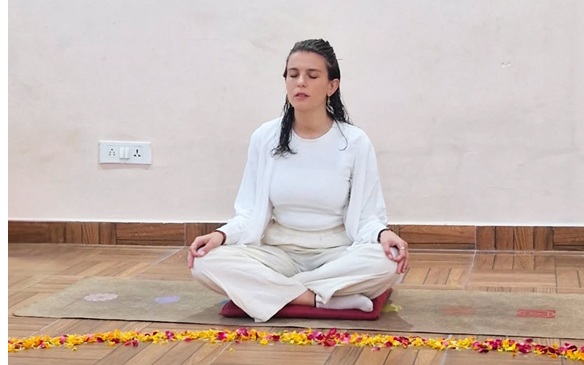
Swastikasana is the first asana described in the Hatha Yoga Pradipika (Chapter 1, Verse 19):
jānūrvor antare samyak kṛtvā pāda-tale ubhe
ṛju-kāyaḥ samāsīnaḥ svastikaṃ tat pracakṣate
In simple words: Place both soles of the feet between the thighs and calves, and sit with the body straight. This is called Swastikasana.
The same pose is also described in the Gheranda Samhita (2.13). Tucking the feet between the thigh and calf is what makes Swastikasana different from other cross-legged poses.
How to Do Swastikasana?
Follow these Swastikasana steps slowly. Don’t force your knees or feet into position.
- Find a Quiet Space: Begin by selecting a quiet and serene environment for your practice. Make sure the space is free from distractions.
- Sit in Staff Pose: Sit on your mat with your legs stretched out in front of you (Dandasana). Keep your back straight.
- Place the Left Foot: Bend your left knee and place the sole of your left foot against the inner side of your right thigh. The heel should rest near the groin but not press into the perineum.
- Place the Right Foot: Bend your right knee and place your right foot over the left calf, so the sole rests against the inner side of your left thigh.
- Tuck the Toes: Gently slide the toes of your right foot into the gap between your left thigh and calf. Then, if you can, draw the toes of your left foot up between your right thigh and calf. Both feet are now tucked in. This is what makes the pose Swastikasana.
- Settle the Knees: Let both knees move toward the floor. If they lift up, sit on a folded blanket to raise your hips.
- Straighten the Spine: Lengthen your spine upward, keeping it erect yet relaxed. Keep your neck and head in line with your spine.
- Place Hands on Knees: Rest your hands gently on your knees with palms facing downward. Alternatively, you can adopt Chin Mudra by touching the tip of your index finger to the tip of your thumb, with the remaining fingers extended.
- Relax and Breathe: Close your eyes softly and focus on your breath. Inhale deeply through your nose and exhale slowly, releasing any tension.
- Hold and Switch: Stay for 2–3 minutes to begin with. Then release, stretch your legs, and repeat with the other leg in front.
How Long Should You Hold Swastikasana?
Beginners can start with 2–3 minutes. With regular practice, slowly build up to 10–15 minutes for meditation or pranayama. Change which leg is in front each time, so both hips open evenly.
Common Mistakes to Avoid
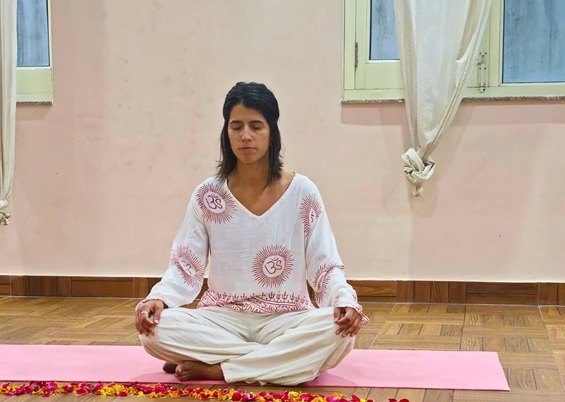
- Rounding the lower back: If your back keeps slumping, sit on a folded blanket or cushion.
- Forcing the knees down: Let them lower naturally over weeks of practice.
- Pressing a heel into the perineum: That is Siddhasana, not Swastikasana.
- Sitting too long at first: This can make your feet go numb. Build up time slowly.
Precautions and Modifications
While Swastikasana is generally safe for most individuals, it’s essential to practice it mindfully and with awareness of your body’s limitations. Here are some modifications and safety precautions to consider:
- Knee Sensitivity: If you have knee injuries or discomfort, you can place a cushion or folded blanket beneath your knees for added support and cushioning.
- Hip Flexibility: Individuals with tight hips may find it challenging to cross their legs in Swastikasana comfortably. In such cases, you can modify the pose by sitting on a folded blanket or bolster to elevate the hips and reduce strain on the knees and hips.
- Back Support: If you experience discomfort in your lower back, you can sit with your back against a wall or place a cushion behind your lower back.
- Breathing: Focus on maintaining smooth and steady breaths throughout the practice. Try not to strain or hold your breath.
- Gradual Progression: If you’re new to Swastikasana or have limited flexibility, practice gradually and listen to your body’s feedback.
- Consultation: If you have any underlying medical conditions or concerns, consult a qualified yoga instructor or healthcare professional before practising Swastikasana.
Who Should Avoid Swastikasana?
- People with sciatica or sacral problems
- Women in the later stages of pregnancy (an easy cross-legged seat on a cushion is better)
- Anyone with recent knee, hip or ankle surgery
- If your legs or feet go numb or start tingling, come out of the pose slowly and stretch your legs
Benefits of Swastikasana
Here are the main Swastikasana benefits when you practice it regularly:
1. Enhances Concentration and Focus: Swastikasana encourages mindfulness and concentration by fostering a calm, meditative state of mind. The balanced alignment of the body supports mental clarity, making it an ideal posture for meditation.
2. Improves Posture: Sitting in Swastikasana with a straight spine trains the back and core muscles to hold you upright. Over time, this can make it easier to sit tall in daily life, too.
3. Calms the Mind and Relieves Stress: Sitting still with slow, deep breathing helps the body relax. Many people find their mind becomes quieter after a few minutes in the pose.
4. Increases Hip, Knee and Ankle Flexibility: Regular practice gently opens the hips and stretches the inner thighs and ankles. This makes other seated poses easier.
5. Prepares You for Advanced Seated Poses: Swastikasana is a good step between Easy Pose and Lotus Pose. It builds the hip opening you need for Siddhasana and Padmasana.
6. Builds Sitting Endurance for Meditation: Because the feet lock in place, the pose stays stable. This helps you sit for longer without constantly shifting.
7. Cultivates Groundedness and Stability: The seated nature of this asana creates a deep sense of groundedness, anchoring you to the present moment and the earth beneath.
8. Supports Pranayama Practice: A straight, steady spine gives your lungs room to expand. This makes breathing practices like Nadi Shodhana and Bhramari easier and more comfortable.
9. Balances Energy Flow (Prana): In yoga tradition, a steady seated pose is believed to help prana (life energy) flow smoothly through the body’s energy channels (nadis).
10. Supports Spiritual Practice: Swastikasana has been used for meditation for centuries. Its stability helps you turn your attention inward during mantra, meditation and self-study.ergy, practitioners deepen their connection to the sacred and experience a profound sense of unity and transcendence.
Swastikasana vs Sukhasana vs Siddhasana vs Padmasana
| Pose | Foot position | Level |
|---|---|---|
| Sukhasana (Easy Pose) | Feet rest under the opposite knees | Easiest |
| Swastikasana (Auspicious-Pose) | Each foot tucked between the opposite thigh and calf | Beginner to intermediate |
| Siddhasana (Accomplished Pose) | One heel presses near the perineum, the other rests above it | Intermediate |
| Padmasana (Lotus Pose) | Each foot rests on top of the opposite thigh | Advanced |
Which one should you choose? If Sukhasana feels loose and your back keeps rounding, try Swastikasana. If Padmasana hurts your knees, Swastikasana gives you a steady meditation seat without that strain.
Also Read: 10 Easy Yoga Poses for Beginners: A Gentle Start to Your Practice
Conclusion
The pose that brings equanimity, Swastikasana, is a formidable tool to bring stillness to the mind, harmonise, and create auspiciousness within. By meditating and thinking on things above, we may be opening a channel to the divine spark within, which allows us to accept and welcome the joy we are intended to share with the world. And as you travel your path in Swastikasana, may you find sanctuary, power, and transformation. As Patanjali would say, “Sthira Sukham Asanam,” may your pursuit of the asana be both steady and comfortable, leading you to the fortune of Swastikasana and the infinite space of self-exploration.
If you want to learn classical meditation postures like Auspicious-Pose properly, including correct alignment, their roots in texts like the Hatha Yoga Pradipika, and how to teach them safely, it helps to study with experienced teachers. At Rishikul Yogshala, seated postures are taught as part of our Yoga Alliance–certifiedYoga Teacher Training in Rishikesh, India, alongside pranayama, meditation, mantra, and yoga philosophy.
Whether you want to deepen your own practice or become a certified yoga teacher, Rishikul Yogshala Rishikesh is a good place to begin your journey in the city known as the yoga capital of the world.
FAQs About Swastikasana
What is the meaning of Swastikasana?
Swastikasana means “auspicious-pose.” It comes from the Sanskrit swasti (well-being, good fortune) and asana (seat or posture).
What is swastik yoga?
“Swastik yoga” usually refers to Swastikasana, a seated meditation pose where each foot is tucked between the opposite thigh and calf.
Is Swastikasana related to the modern swastika symbol?
No. The name comes from an ancient Sanskrit word that has meant well-being and good fortune in Indian traditions for thousands of years. It has no connection to the symbol’s misuse in the 20th century.
How long should I sit in Swastikasana?
Start with 2–3 minutes. With practice, build up to 10–15 minutes or more for meditation.
Is Swastikasana good for beginners?
Yes. It is easier than Padmasana. If your knees lift off the floor, sit on a folded blanket.
What is the difference between Swastikasana and Siddhasana?
In Siddhasana, one heel presses near the perineum. In Swastikasana, the feet are tucked between the thighs and calves, with no heel pressure at the perineum.
Can pregnant women do Swastikasana?
In early pregnancy, with a cushion and comfort, many women can. In the later stages, it’s better to avoid it and sit in an easier cross-legged pose. Always check with your doctor first.
What is the best time to practice Swastikasana?
Early morning or evening, on an empty stomach or 2–3 hours after a meal, is best for meditation and pranayama.
This article is for general information and is not medical advice. If you have a respiratory or heart condition, are pregnant, or are unsure whether these practices suit you, please speak to your doctor before beginning.

 +91-8433225327,
 Rishikul Yogshala Rishikesh, Narayan Kunj, Jonk Village, Ram Jhula, Swarg Ashram, Rishikesh, Uttarakhand 249304
 By Airway
 By Railway
 By Bus/Cabs