Pranayama is one of yoga’s oldest healing tools — and one of the most quietly studied in modern research. From respiratory function to stress hormones to sleep quality, conscious breathing affects the body in measurable ways. None of this replaces medical care, but it does help explain why even a few minutes of regular pranayama can quietly shift how the body feels. In this guide, we’ll explore seven of the most-supported therapeutic benefits of pranayama, look at what the science gently suggests, and be clear about what conscious breathing can and cannot do.
In this article, we will explore the therapeutic benefits of pranayama and the potential of conscious breathing for our overall well-being.
Pranayama Definition and Origins
Pranayama is a combination of two Sanskrit words: prana represents the life force present in all of us, and ayama represents expansion. So, pranayama involves the technique of controlling the frequency and length of each inhalation, exhalation, and breath retention, which helps the practitioner achieve optimal physical and mental benefits. Practising pranayama requires proper guidance from a certified yoga instructor, so consider enrolling in a comprehensive 200 Hour Yoga Teacher Training in Rishikeshto learn under the guidance of experts in the field.
Pranayama has been practiced for thousands of years, documented in ancient yogic texts like the Yoga Sutras of Patanjali and the Hatha Yoga Pradipika. The mention of Pranayama in these revered texts shows its importance in our holistic health and well-being.
The Science Behind The Benefits Of Pranayama
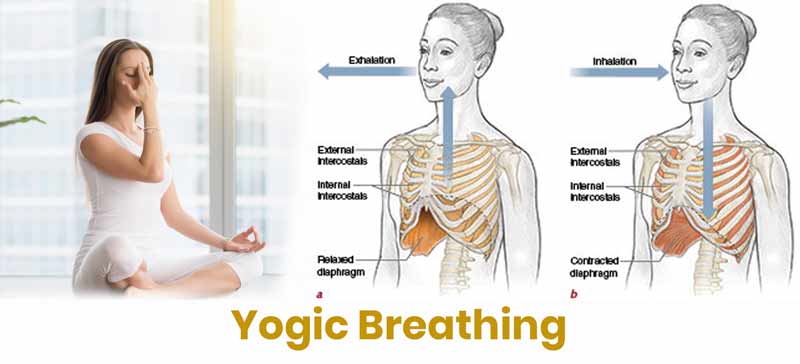
Breath-Body Connection – Pranayama strengthens the connection between breath and the body and mind. When people take control of their breathing, it can boost both their physiological and psychological functions.
Physiological Effects – Research shows that practising pranayama can help regulate our body’s automatic functions, such as heart rate, blood pressure, and stress hormones.
Psychological Effects – Pranayama is linked to better mental health, as studies show that it can help reduce feelings of anxiety, depression, and stress. Also, it directs your mind towards inner peace and calmness.
Therapeutic Health Benefits of Pranayama
1. Improves Respiratory Health
Pranayama works magically for your breathing and overall respiratory health. It strengthens your lungs and helps you breathe better. Pranayama ensures that the tissues of your body get more oxygen. Even asthma patients or people with other respiratory disorders can feel at ease in breathing after practising various techniques of pranayama. Overall, regularly practising pranayama can improve your breathing ability and keep your lungs healthy.
2. Stress Reduction
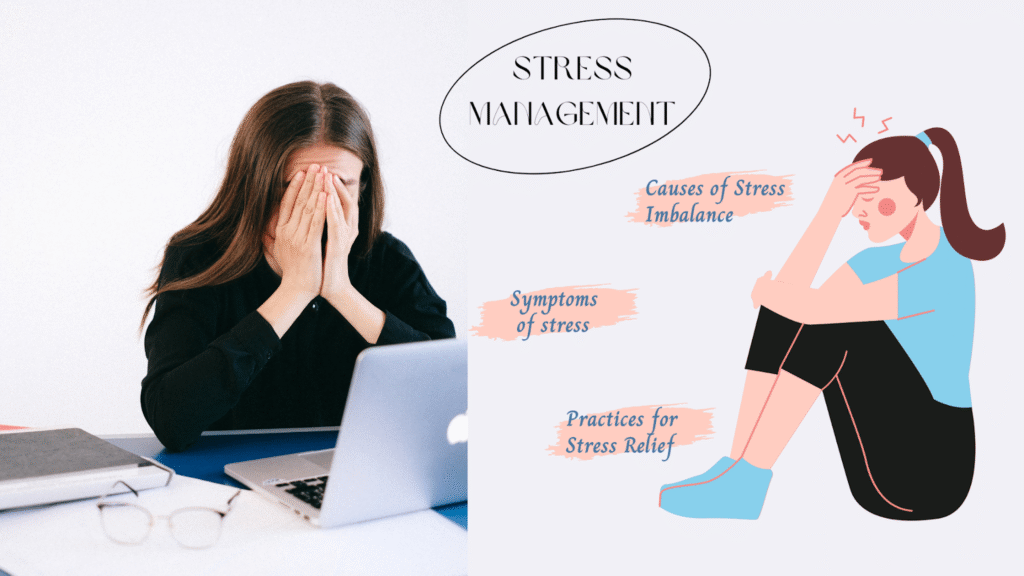
Pranayama is a natural therapy to get relief from stress. Taking deep breaths while practising pranayama signals to your brain that everything is okay. It triggers your body’s relaxation response, making you feel less stressed and more at peace. Additionally, focusing on your breathing during pranayama helps distract your mind from worrying thoughts, bringing you into the present moment.
3. Improves Blood Circulation
Pranayama helps improve blood circulation by supporting heart health. Slow breathing techniques can lower blood pressure, even in people with hypertension. By practising pranayama regularly, individuals can experience better circulation of blood, which can contribute to overall cardiovascular well-being. Incorporating pranayama into a daily routine keeps the heart healthy and improves blood flow.
4. Improves Immune Function
Pranayama improves immune function by reducing stress hormones in the blood and promoting relaxation. This slow and deep breathing helps calm the body, making it more resilient to illness. Regular practice of pranayama can increase the body’s ability to fight infections and diseases. By improving overall health, pranayama supports a strong immune system.
5. Enhanced Energy Levels
Practising pranayama fills your body with vital energy (prana), making you feel refreshed and energetic. Techniques like Kapalbhati and Bhastrika help increase vital energy levels and detoxify the body. These speed up your metabolism, which helps in filling the body with vitality. Regular practice of pranayama makes you feel alive and strong throughout the day.
6. Enhances Cognitive Abilities
Pranayama helps to improve the functioning of the brain in different ways. It helps bring positive changes to memory, problem-solving, and reaction time. Doing pranayama regularly also reduces your stress, which is good for your brain. Additionally, it provides more oxygen to your brain, keeping it more awake and active. Overall, pranayama is great for keeping your mind sharp and focused.
Certain pranayama practices, such as Nadi Shodhana Pranayama (Alternate Nostril Breathing) and Brahmari Pranayama (Humming Bee Breath) enhance focus, clarity, and cognitive function by balancing brain hemispheres and calming the mind.
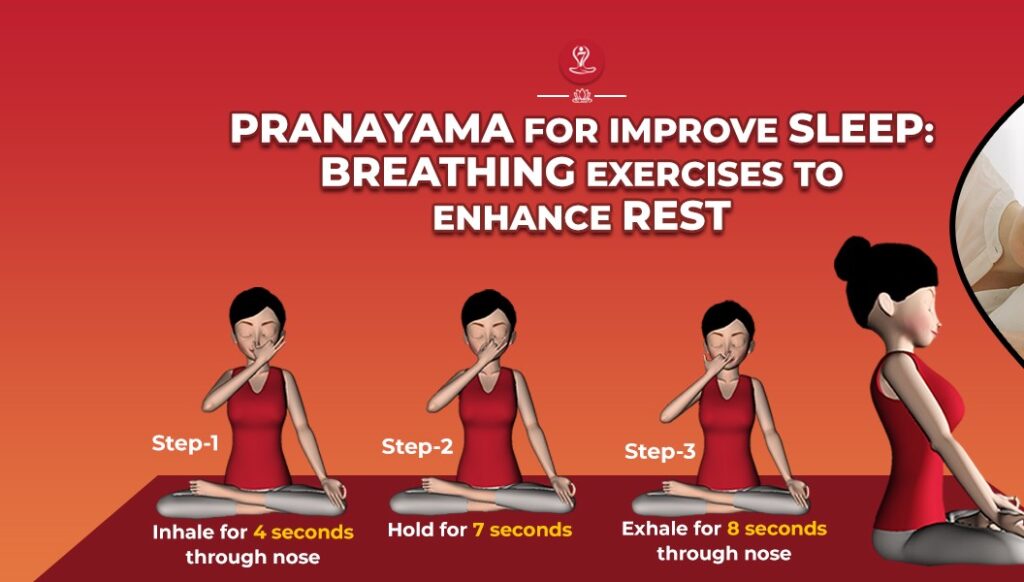
Regular practice of pranayama promotes relaxation and can help reduce insomnia and sleep disturbances. Deep breathing techniques such as Bhramari Pranayama before bed slow your breathing and heart rate, making you feel calm and conducive to restful sleep. Practising pranayama also helps you sleep better by reducing stress. It helps people suffering from serious sleep disorders to sleep better, thereby feeling sleepy and tired during the day. Therefore, doing pranayama can help you get good rest at night and feel more refreshed in the morning.
However, if you are a beginner to pranayama, it is important to learn from a qualified instructor to ensure proper technique and stay safe. Consider joining our 200 Hour Yoga TTC in Rishikesh, where you can get the most from your practice by learning from experienced yoga teachers and safely enjoy all the therapeutic benefits of pranayama.
The practice of pranayama offers many therapeutic benefits for both the body and mind. From improving respiratory health and reducing stress to enhancing cognitive function and promoting better sleep, pranayama is a powerful tool for enhancing overall well-being. Learning from qualified instructors at our prestigious Yoga School in Rishikesh ensures safe and effective exercises for optimal results. Therefore, making pranayama a part of everyday life helps a person feel balanced, strong, and connected to their abilities to heal and grow.
This article is for general information and is not medical advice. If you have a respiratory or heart condition, are pregnant, or are unsure whether these practices suit you, please speak to your doctor before beginning.
Founder, Rishikul Yogshala | President, Yoga Association Rishikesh
Bipin Baloni Ji founded Rishikul Yogshala in 2010 and has been teaching here since the very first batch. He holds an M.Phil. in Yoga, a Postgraduate degree from Hemvati Nandan Bahuguna University, and has completed a 500-Hour Yoga Teacher Training Course. He started practicing in 2008, learning from direct students of BKS Iyengar and teachers from the Himalayan Tradition. He specialises in Hatha Yoga, Ashtanga Vinyasa, Pranayama, and Yoga Therapy. He also serves as President of the Yoga Association Rishikesh (also known as the Rishikesh Yoga Association/Alliance) — a position that reflects the trust the yoga community in Rishikesh has placed in him over many years.
Answer a few questions and we'll recommend the YTT path — 100, 200, 300 or 500-Hour — that fits your experience, goals and schedule. First, where are you in your journey?
Free Yoga Tips PDF at the end · No experience needed
Part 1 complete
Nicely done!
Now a few questions about you — your goals, your schedule and what you want from training.
Your recommended path
Get your free Yoga Tips PDF
Our best beginner-to-teacher tips, plus details on your recommended training. Enter your email and download it instantly — right here.
Please enter your name.
That email doesn't look quite right.
No spam — just your guide and helpful yoga tips.
You're all set
Your guide is ready
Your free Yoga Tips PDF is ready to download — tap the button below and it'll open right here on this page.










 +91-8433225327,
 Rishikul Yogshala Rishikesh, Narayan Kunj, Jonk Village, Ram Jhula, Swarg Ashram, Rishikesh, Uttarakhand 249304
 By Airway
 By Railway
 By Bus/Cabs