








Ashwini Mudra: Meaning, Benefits and How to Practice
Table of Contents
- What is Ashwini Mudra?
- How To Do Ashwini Mudra: Step-by-Step Guide
- 1. Find a Comfortable Sitting Position
- 2. Focus on Your Breath
- 3. Engage the Anal Sphincter Muscles
- 4. Hold the Contraction
- 5. Release the Contraction
- 6. Repeat the Cycle
- 7. Focus and Mindfulness
- 8. End the Practice
- Tips for Practicing Ashwini Mudra
- What Are the Benefits of Ashwini Mudra?
- 1. Improves Digestion
- 2. Strengthens the Pelvic Floor Muscles
- 3. Boosts Energy and Vitality
- 4. Improves Mental Clarity and Focus
- 5. Promotes Relaxation and Reduces Stress
- 6. Enhances Sexual Health
- Ashwini Mudra for Constipation and Piles (Haemorrhoids)
- Benefits:
- Precautions:
- Ashwini Mudra Side Effects
- Precautions and Contraindications of Ashwini Mudra
- Conclusion
What is Ashwini Mudra?
Among yoga’s lesser-known practices is a quiet, powerful one called Ashwini Mudra, the ‘horse gesture.’ It works invisibly: a small, rhythmic engagement of the pelvic floor, done while sitting comfortably. Despite its simplicity, it has been valued in Hatha Yoga for centuries for the way it builds steady energy and supports the body’s natural lift. In this guide, we’ll meet it gently.
The mudra is a mindful contraction and then release of the muscle anal sphincter that provides a variety of physical and mental advantages. Ashwini Mudra is regarded as an effective practice that stimulates and regulates the body’s energy flow, thereby strengthening the pelvic floor as well as digestion. Beyond physical benefits, it also helps to improve mental clarity, focus, and emotional balance.
It is relatively easy to do, but it has significant benefits to overall health. It is widely used within Hatha Yoga and other forms of yoga to boost energy in relaxation, detoxification, and a sense of well-being. Ashwini Mudra is also linked to enhancing bodily processes like elimination and digestion, as well as aiding in releasing tension and stress.
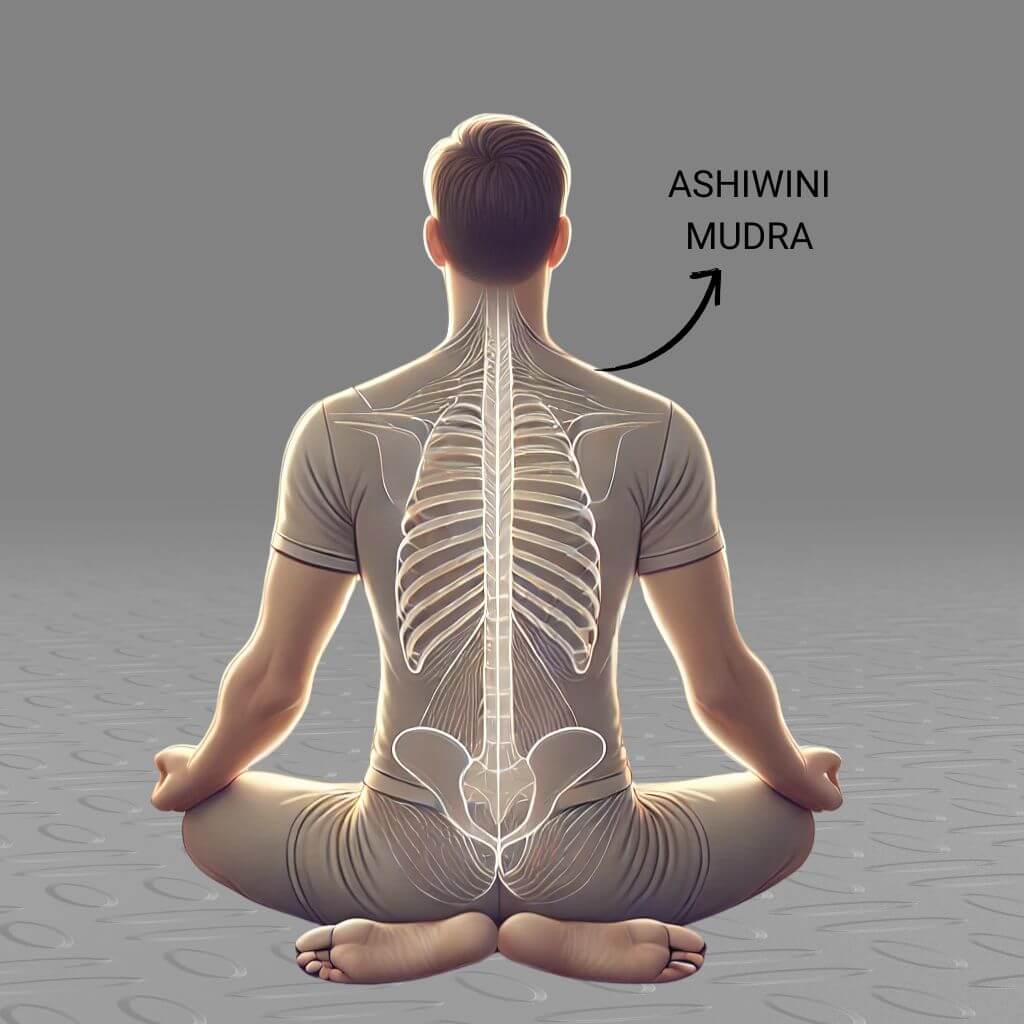
No matter if you’re a beginner or a seasoned yoga practitioner, taking Ashwini Mudra can be a beneficial part of your daily routine.
If performed regularly, the Ashwini Mudra helps to boost vitality as well as improve digestive health, increase concentration, and increase a feeling of well-being. This article will look at how to perform the Ashwini Mudra in detail, explaining its significance, the best way to do it, as well as the benefits it provides and the most important precautions.
Ashwini Mudra is a powerful technique used in various forms of yoga, but in particular, Hatha Yoga. It is a method of conscious contraction and release of the anal sphincter muscles. This action is similar to the contraction that a horse experiences as it moves its hindquarters, which is the reason the mudra’s name is derived from the horse.
When performed, Ashwini Mudra energizes the pelvic region, which energizes the nervous system and can stimulate the vital energy of the body (prana). It can also help balance our body’s subtle energy and increase mental clarity.
How To Do Ashwini Mudra: Step-by-Step Guide
It’s an easy and effective exercise that is easy to incorporate into your routine. This is a step-by-step guide to guide you through the process of performing Ashwini Mudra correctly and gain the advantages.
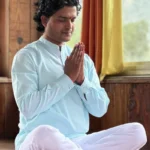
1. Find a Comfortable Sitting Position
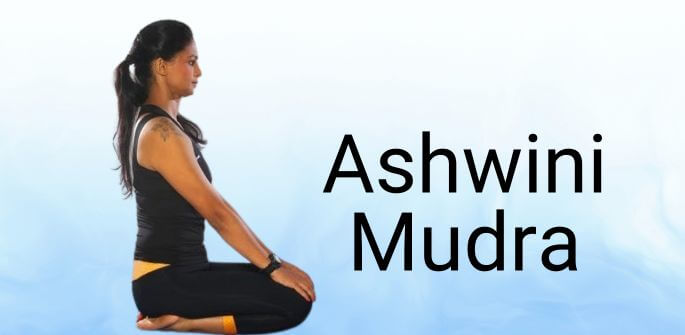
- Start by sitting comfortably in an upright posture. You can pick any seating position that permits you to keep an upright spine and a comfortable body.
- Poses Sukhasana (easy posture for Ashwini Mudra) and Padmasana (Lotus Pose) or Vajrasana (thunderbolt posture).
- In the event that sitting down on the ground is uncomfortable, it is possible to sit in an armchair as long as your spine is straight and your feet are straight on the floor.
- Relax your shoulders and your hands resting comfortably on your thighs or knees, and your palms facing either upwards or downwards, based on what feels natural to you.
2. Focus on Your Breath
- Take several deep, thoughtful breaths to calm your mind and body. Breathe slowly and deeply through your nostrils as you let your lungs expand with air. Relax your nostrils gently and let go of any tension that may be in your body.
- Let your breathing remain steady and peaceful. Concentrate your attention on your breathing. This will help to calm your brain and help prepare for your practice.
3. Engage the Anal Sphincter Muscles
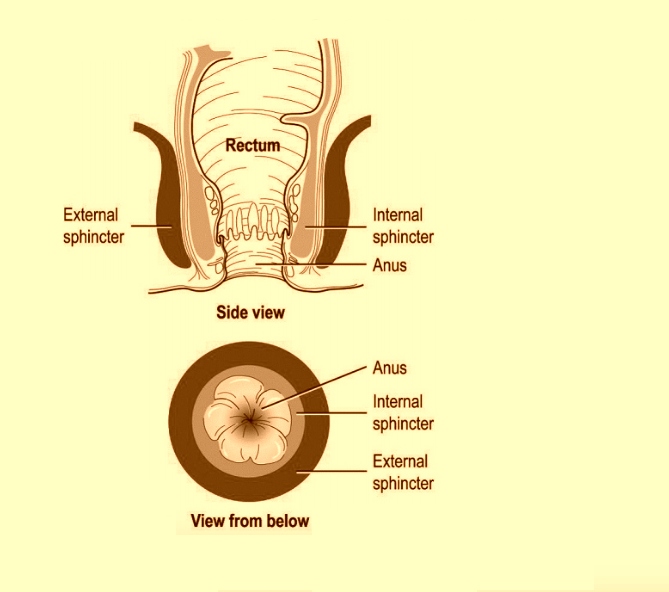
- Then, you can begin the primary process of Ashwini Mudra by paying attention to the muscles around the anus (the anal sphincter).
- The muscles should be contracted gently, like you’re trying to stop a bowel movement. It is a controlled contraction and not forceful. It is possible to imagine the sensation of pulling gently in the lower abdomen or the sensation of stopping urination.
4. Hold the Contraction
- After you’ve contracted the anal sphincter, hold the contraction for approximately 2 to 3 seconds.
- During this time, keep breathing normally. Don’t hold your breath; your focus should be on the relaxation and contraction of your muscles.
5. Release the Contraction
- After some seconds, completely let the contraction go and let the muscles relax.
- You will feel the difference when your body is restored to a state of calm.
6. Repeat the Cycle
- Perform the relaxation and contraction sequence just a couple of times. Begin with 5-10 repetitions and then accumulate the number of times as you get more comfortable with your practice.
- It is possible to gradually increase the duration of your contraction until it is 5-10 seconds as you gain endurance and control over the duration.
7. Focus and Mindfulness
- While doing the mudra, take the breath in a steady, relaxed manner. Keep your attention on the release and contraction of the anal sphincter and pay attention to the sensations you feel in your pelvic region.
- Try to practice the mudra while fully aware, and let each repetition create a sense of calm and peace.
8. End the Practice
- After you’ve completed the session, relax for a few minutes and concentrate on your breathing. Pay attention to the way your body feels following the exercise. Many people feel euphoria and calm.
- Restore your normal breathing rhythm and slowly ease back into your daily routine.
Tips for Practicing Ashwini Mudra
- Begin Slowly: If you’re new to this technique, start slowly, with only a few repetitions, and then gradually progress when you’re more comfortable with the mudra.
- Consistency: To experience maximum benefits, practice Ashwini Mudra consistently- ideally, 5-10 minutes daily.
- Body Awareness: Pay attention to the body’s signals. If you are feeling tension or discomfort, then take a break and assess your posture or the force of the strain.
- Props to Use: You may also consider using a bolster or cushion under your hips when being on your feet feels uncomfortable. Make sure your spine is straight throughout.
Ashwini Mudra is an effective and easy practice that, if performed correctly, can result in numerous health benefits, including increased digestion, stronger pelvic muscles, and improved energy levels. Include it in your routine and experience its soothing and rejuvenating effects on mind and body.
What Are the Benefits of Ashwini Mudra?
Ashwini Mudra is a technique that can provide a variety of health benefits for both mental and physical well-being. In addition to improving digestive health, it can aid in improving mental focus. This simple but powerful mudra could be an important addition to your fitness routine. Here are a few advantages of practicing Ashwini Mudra frequently:
1. Improves Digestion
- Enhanced Bowel Movements: The repeated contraction and relaxation of the anal sphincter stimulates digestion, supports regular bowel movements, and helps relieve constipation.
- Stimulates Digestive Fire: Ashwini Mudra helps activate Agni, the digestive fire within the body. It supports better metabolism and improves the digestion and absorption of nutrients. Regular practice may also help relieve bloating, gas, and indigestion.
- Detoxification: This practice supports the natural elimination of waste from the body, helping to cleanse the system and maintain healthy digestion.
2. Strengthens the Pelvic Floor Muscles
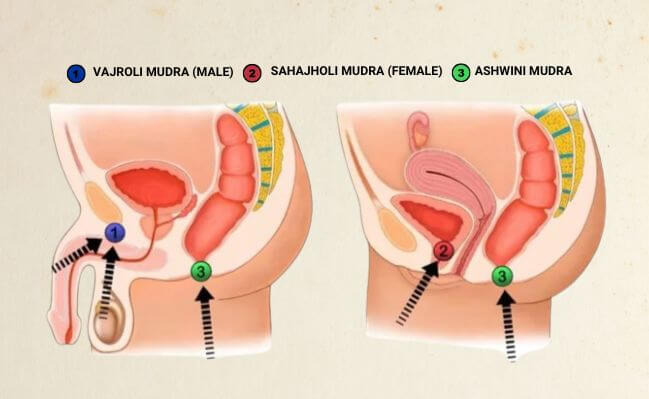
- Support for Health of the Pelvic: Through strengthening and engaging your pelvic floor muscles, Ashwini Mudra improves the structural health of the pelvic region. This is especially beneficial for both genders in supporting the health of reproductive organs and preventing prolapse.
- Improved Bladder Control: Regular exercise can improve bladder control through strengthening the muscles that are involved in urination, possibly aiding with urinary retention problems.
- Fertility Benefits: For women, strengthening their pelvic floor can help improve the process of enhancing blood flow to reproductive organs and help to maintain the balance of hormones. For males, it could boost sexual vitality and increase flow to the genital area.
3. Boosts Energy and Vitality
- It boosts the Prana (Life Energy). Ashwini Mudra activates the chakra in the base (Muladhara) that regulates the flow of vital energy or prana throughout the body. By stimulating this energy, the practice enhances overall health, improves endurance and stamina, and reduces fatigue-related feelings.
- Vitalizes your Nervous System The relaxation and contraction of muscles during Ashwini Mudra stimulates the autonomic nervous system, which results in an equilibrium mental state and encourages mental clarity.
4. Improves Mental Clarity and Focus
- Reduces Distractions from the Mind: Focusing upon the release and contraction of the sphincter anal, in conjunction with a steady breathing pattern, can help clear the mind and decrease mental distractions. This improves concentration as well as focus and mental clarity.
- Grounding and Calming Effect: Ashwini Mudra has a grounding effect, which helps in calming the mind and increasing mindfulness. It can help lower anxiety and stress levels, as well as help to feel more relaxed and at peace.
5. Promotes Relaxation and Reduces Stress
- It stimulates the parasympathetic Nervous System. The slow, rhythmic motions in Ashwini Mudra trigger the parasympathetic nervous system that is responsible for relaxation and relief from stress. This can help reduce anxiety and blood pressure and promote a sense of peace.
- Reduces Tension: Regularly practicing the Ashwini Mudra technique can aid in easing tension, specifically on the stomach, back, and pelvic region. It can help create the feeling of mental and physical relaxation.
6. Enhances Sexual Health
- For Males: Ashwini mudra enhances the circulation of blood to the genital areas and can boost sexual vitality, libido, and overall sexual health. It also aids in preventing the occurrence of erectile problems as well as improving the balance of sexual energy.
- For women: This method increases women’s blood circulation to their ovaries as well as the uterus. This helps manage menstrual cycles, decrease menstrual cramps, and boost the health of reproductive organs.
Ashwini Mudra for Constipation and Piles (Haemorrhoids)
Benefits:
- For constipation: Increases digestion, encourages the flow of bowels, and improves peristalsis for constipation relief.
- For Piles: Improves blood circulation to the pelvic region; it also strengthens the anal and pelvic muscles, and reduces inflammation.
Precautions:
- Avoid excessive exertion or forceful contractions.
- If you experience discomfort or pain. You should seek out a physician for more severe health issues.
Ashwini Mudra Side Effects
Although Ashwini Mudra has many advantages, improper use or underlying conditions can cause side effects, such as:
- Pelvic Muscle Tension: Exerting too much or holding the contractions for too long can result in soreness or discomfort.
- Increased Intra-Abdominal Pressure: May result in dizziness, lightheadedness, or abdominal pain.
- Headaches: Overpressure or poor breathing can cause tension headaches.
- Lower Back Pain: Poor posture or doing too much exercise can strain the lower back.
- Exacerbation of Rectal Problems: It could cause an increase in hemorrhoids or discomfort.
- Digestive Discomfort: The overstimulation of the digestive tract can cause bloating and gas.
- Elevated Blood Pressure: A rise in blood pressure could temporarily increase blood pressure, particularly in those who suffer from hypertension.
- Mental Stress – Incorrect breathing or excessive effort could result in stress or excessive stimulation.
Take it slow, listen to your body, and try not to push yourself too much. If you are suffering from particular medical conditions such as pelvic issues, hypertension, or rectal issues, seek out a medical professional prior to practicing Ashwini Mudra.
Precautions and Contraindications of Ashwini Mudra
Although Ashwini Mudra can be beneficial for most people, it’s important to do it with care and prudence, particularly for people with specific health issues. Here are some cautions to consider when practicing Ashwini Mudra:
1. Avoid Overexertion
- Do not force the contraction. This contraction process of the abdominal sphincter should be performed gently and without overstretching. The pelvic floor muscles that are overexerted can cause discomfort or strain.
- Progressions are new to the practice. Begin slowly, with smaller durations and fewer repetitions. As you progress, increase the intensity and length of exercises as your body gets familiar with the practice.
2. Pregnancy
- Check with a Physician: Pregnant women must be cautious when performing Ashwini Mudra. Although easy pelvic exercises may sometimes prove beneficial when pregnant, it’s essential to talk with a healthcare practitioner prior to beginning any new routine.
- Avoid High-Risk Pregnancy: If you are a woman who is at risk of having a high-risk pregnancy or who has suffered from complications such as pelvic discomfort or uterine issues, It is best to stay clear of Ashwini Mudra or perform it only with the guidance of a certified instructor or healthcare professional.
3. Individuals with Hernias or Recent Surgery
- Avoid. When you have a hernia, if you suffer from a pelvic or abdominal hernia, it is advised to stay clear of Ashwini Mudra as the contraction of muscles could put extra pressure on the area affected and aggravate the problem.
- Precautions for Post-Surgery: Patients who have recently had surgery, particularly pelvic, abdominal, or rectal surgery, should not perform this procedure until they have fully recovered and are cleared by their physician.
4. People with Severe Heart Conditions
- Moderate Practice: People who suffer from severe heart problems, hypertension, or issues should use Ashwini Mudra with caution. The release and contraction of the anal sphincter can alter the intra-abdominal pressure. This can, in turn, raise blood pressure or stress the heart.
- Talk to a Healthcare Professional: Before beginning Ashwini Mudi, anyone with a heart problem needs medical advice to confirm whether the practice is suitable for them.
5. Individuals with Rectal or Pile Problems
- Rectal Prolapse or Infections: People who are suffering from ailments like hemorrhoids, rectal prolapse and anal fissures or other health problems should stay clear of this mudra. The contraction can aggravate the condition or cause discomfort.
- Ashwini Mudra to Relieve Piles: If you experience discomfort or pain when doing Ashwini Mudra, it’s essential to stop doing the practice and seek advice from a medical doctor.
6. Those with High Blood Pressure
- Abdominal Pressure: Ashwini Mudra can temporarily raise the pressure in the abdomen, which may affect those who suffer from high blood pressure. If you suffer from hypertension, do the mudra gently and make sure you don’t overexert yourself. Do not hold the contraction for too long.
- Avoid Extreme Contractions: An intense or prolonged contraction is not recommended if you have a background of high blood pressure. Make sure to practice mindfully and in moderation.
7. People with Anxiety or Panic Disorders
- Relaxation and Breathing. If you suffer from anxiety or anxiety disorders, it’s crucial to keep your attention on your breath when you practice Ashwini Mudra. Don’t practice in a fast or intense manner. Always practice the mudra in a calm, controlled space.
- Do Not Overstimulate: The contraction of the pelvic muscles, as well as the concentration on breathing, shouldn’t cause an excessive stimulation of your energetic systems of the body. Do it slowly and gradually without pushing the contraction.
8. Keep Mindful of Your Posture
- Adjustment and comfort: Make sure your spine stays straight during your exercise. Slouching or postures that are not stable could result in strain or discomfort in the lower back or pelvic region. If you feel pain, you should stop immediately and modify your posture.
- Seated Placement: If you feel that sitting on the floor is uncomfortable, try using cushions or bolsters to help support your hips or select a chair with adequate back support.
9. Don’t Rush the Process
- Patience is the Key: Ashwini Mudra is a gentle technique that demands patience. The practice should not be rushed through, and pushing the contractions is not going to help you reap its full benefit. Make sure to take your time during every cycle while maintaining an open and relaxed mindset.
- Gradual Progression: Begin by doing just a few repetitions and gradually increase the number of repetitions until you get more comfortable. It’s best to start with a small number of repetitions and increase your intensity, rather than overdo it from the beginning.
10. Children and the Elderly
- Consultation for Children: While Ashwini Mudra is generally considered safe, it’s not necessary for children who aren’t yet 12 years old unless they are advised by a physician. Children may still benefit from less strenuous exercises, such as pranayama (breathing exercises) and yoga asanas, which are basic.
- Aged Care: Those suffering from arthritis or joint pain and also have a mobility problem should consult an expert in healthcare prior to taking on Ashwini Mudra, because too much tension on the pelvic muscles may result in strains or injuries.
Conclusion
Ashwini Mudra can be described as a straightforward yet effective yoga routine that offers important benefits for both the mind and body. Regular practice helps improve digestion, increase vitality, build the pelvic floor, and increase mental clarity. This mudra has been practiced over the centuries by yogis to stimulate the body to relax, improve the quality of sleep, and ensure overall health.
Although Ashwini Mudra is an easy practice, its effect can be profound if done in a controlled and consistent manner. Like all yogic practices, it is essential to practice it with respect, patience, and a sense of. If you regularly practice it, Ashwini Mudra is an excellent way to increase your health, vitality, and inner balance.
For those who want to explore traditional yogic practices in greater depth, Rishikul Yogshala offers Yoga Teacher Training in India, where students can learn asana, pranayama, meditation, yoga philosophy, and other traditional practices under the guidance of experienced teachers.

 +91-8433225327,
 Rishikul Yogshala Rishikesh, Narayan Kunj, Jonk Village, Ram Jhula, Swarg Ashram, Rishikesh, Uttarakhand 249304
 By Airway
 By Railway
 By Bus/Cabs